The story of the film
Seville, Madrid and the kingdoms of Spain · 1391–1834
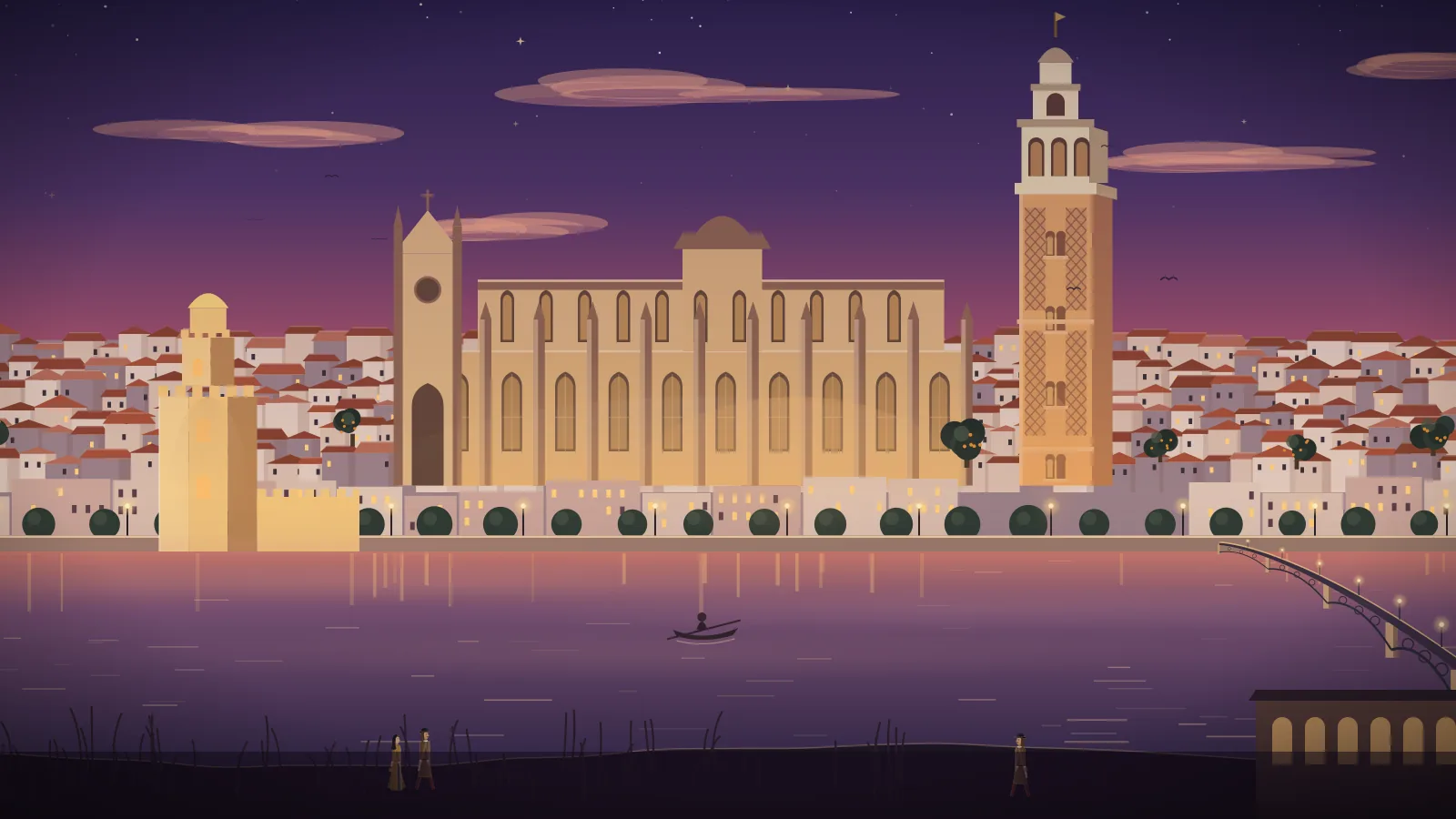
On 6 February 1481, a procession moved through the streets of Seville. Six men and women walked in it, under guard. They were accused of a crime no one could see: keeping a forbidden faith in secret. A Dominican friar, Alonso de Hojeda, prior of the friary of San Pablo, preached the sermon. Then the six were led out beyond the city walls, to a field called Tablada.
By evening, smoke rose over the fields. It was the first auto-da-fé of the Spanish Inquisition, a tribunal that would last for more than 350 years, and whose story would be told, and often mistold, for a long time after it was gone.
Chapter Iwatch from 0:46
Neighbours and New Christians
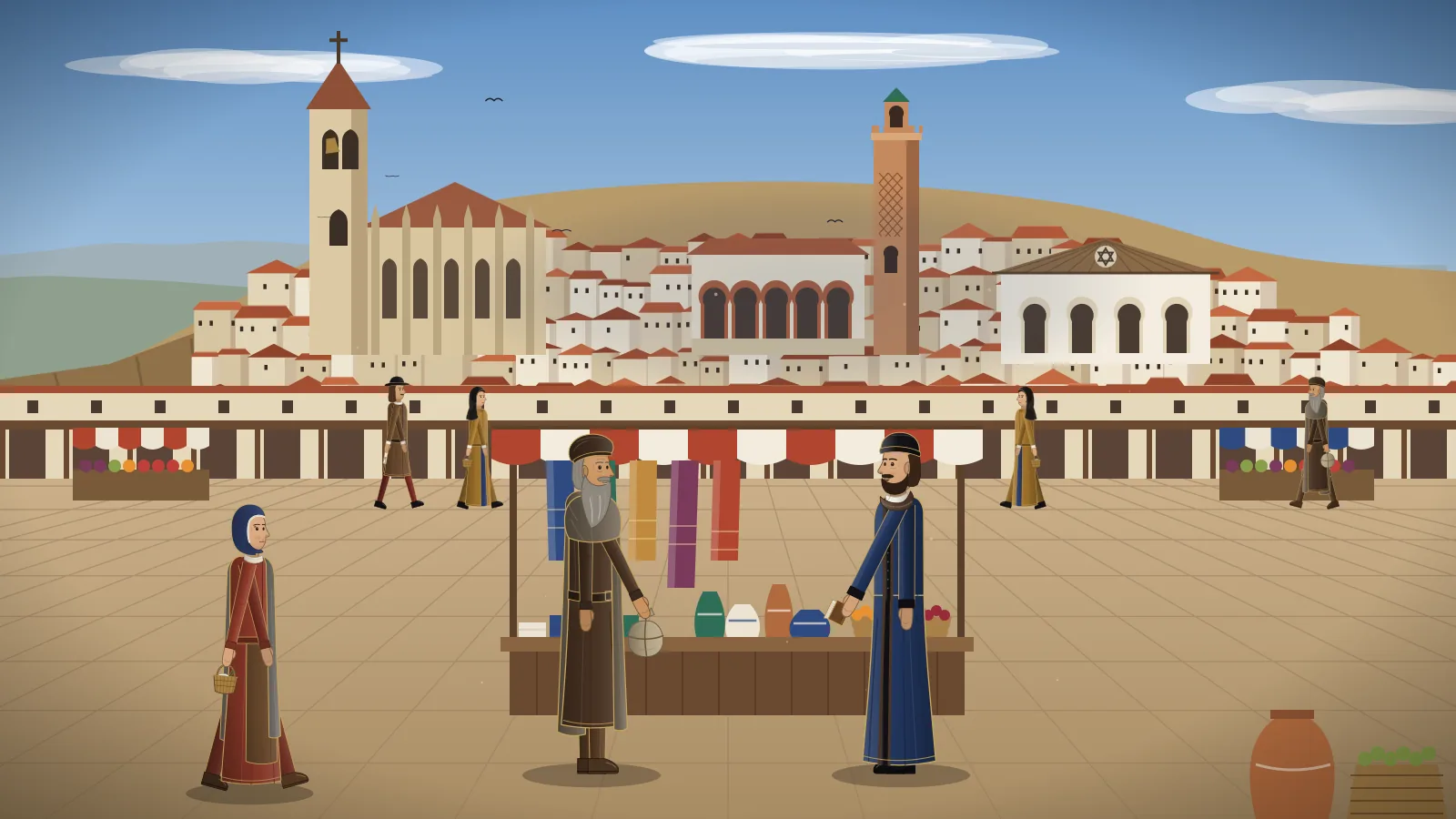
For centuries, Christians, Muslims and Jews had lived side by side in the kingdoms of Spain. They were not always at peace, but they were often neighbours, sharing the same streets, the same markets and the same trades.
Then, in June 1391, a mob attacked the Jewish quarter of Seville, and the violence spread from city to city. Thousands were killed. Many more, perhaps 100,000, accepted baptism to save their lives. Other conversions followed in the years after, many of them under pressure.
These new Christians and their children were called conversos. Some rose high, as merchants, doctors, royal officials, even bishops. But many Old Christians suspected that behind closed doors the conversos still kept the Jewish faith. Some did, at great risk. Many others did not.
Some did, at great risk. Many others did not.
In 1477 Queen Isabella of Castile came to Seville. There, the chroniclers say, churchmen, Hojeda among them, warned her that secret Judaism was spreading. On 1 November 1478, Pope Sixtus IV issued a bull allowing Isabella and her husband, Ferdinand of Aragon, to appoint inquisitors of their own.
That was something new. Inquisitors had been sent out since the 1230s against heretics such as the Cathars, but those medieval inquisitors had answered to the pope. This new Inquisition would answer largely to the crown.
Chapter IIwatch from 2:18
The Tribunal at Work
In September 1480, two Dominican friars, Miguel de Morillo and Juan de San Martín, were named the first inquisitors. They set to work in Seville, at the friary of San Pablo, and thousands of converso families fled. Within months came the first auto-da-fé. Soon the prisoners were so many that the tribunal moved across the river, into the castle of Triana.
In 1483 Tomás de Torquemada, a Dominican prior who had been the queen’s confessor, became the first Inquisitor General. Under him, tribunals opened across Spain, with written rules for how they were to work. His name became a byword for the Inquisition itself.
The method was much the same from town to town. When the inquisitors arrived, an edict was read in church. For a period of grace, often 30 or 40 days, those who came forward and confessed were treated more mildly. Everyone else had to report what they had seen, and the edicts listed the signs to look for: clean linen on a Saturday, a refusal to eat pork, candles lit on a Friday evening.
Neighbours watched neighbours. Some spoke out of faith, some out of fear. Others used the tribunal to settle old quarrels.
Neighbours watched neighbours.
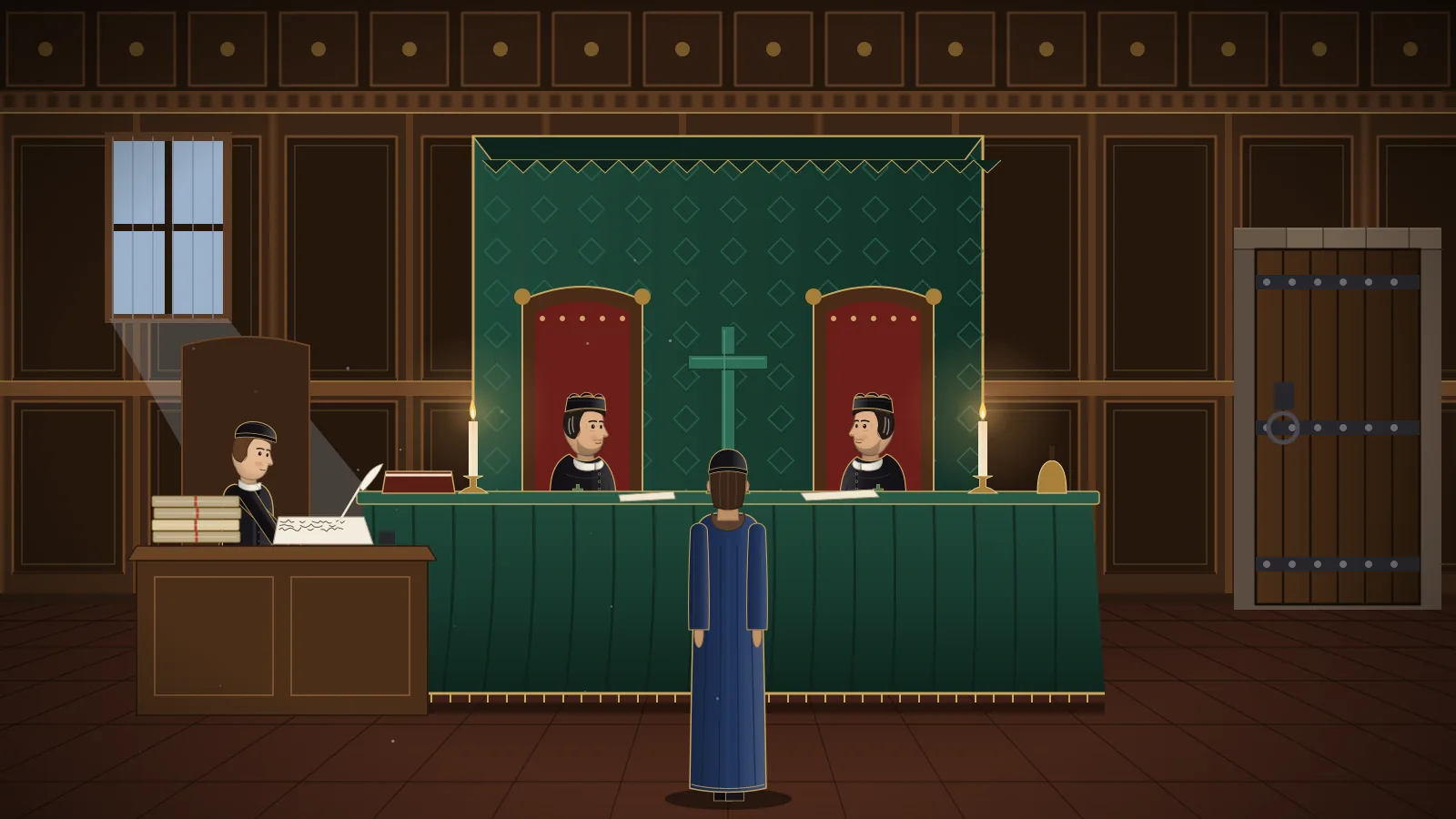
The accused could wait in the tribunal’s prisons for months or years, while their property was listed for seizure. They were usually not told who had testified against them. Torture was allowed under written rules, and a confession made under it had to be repeated freely afterwards. The records show it was used in a minority of cases. Through it all, a notary sat at the table and wrote down every question and every answer. Centuries later, those pages would change how this story was told.
Chapter IIIwatch from 4:13
Resistance and Exile
There was resistance. Several popes tried, with little success, to restrain the inquisitors. In 1485 the inquisitor Pedro Arbués was murdered in the cathedral of Zaragoza, and the reprisals that followed were harsh.
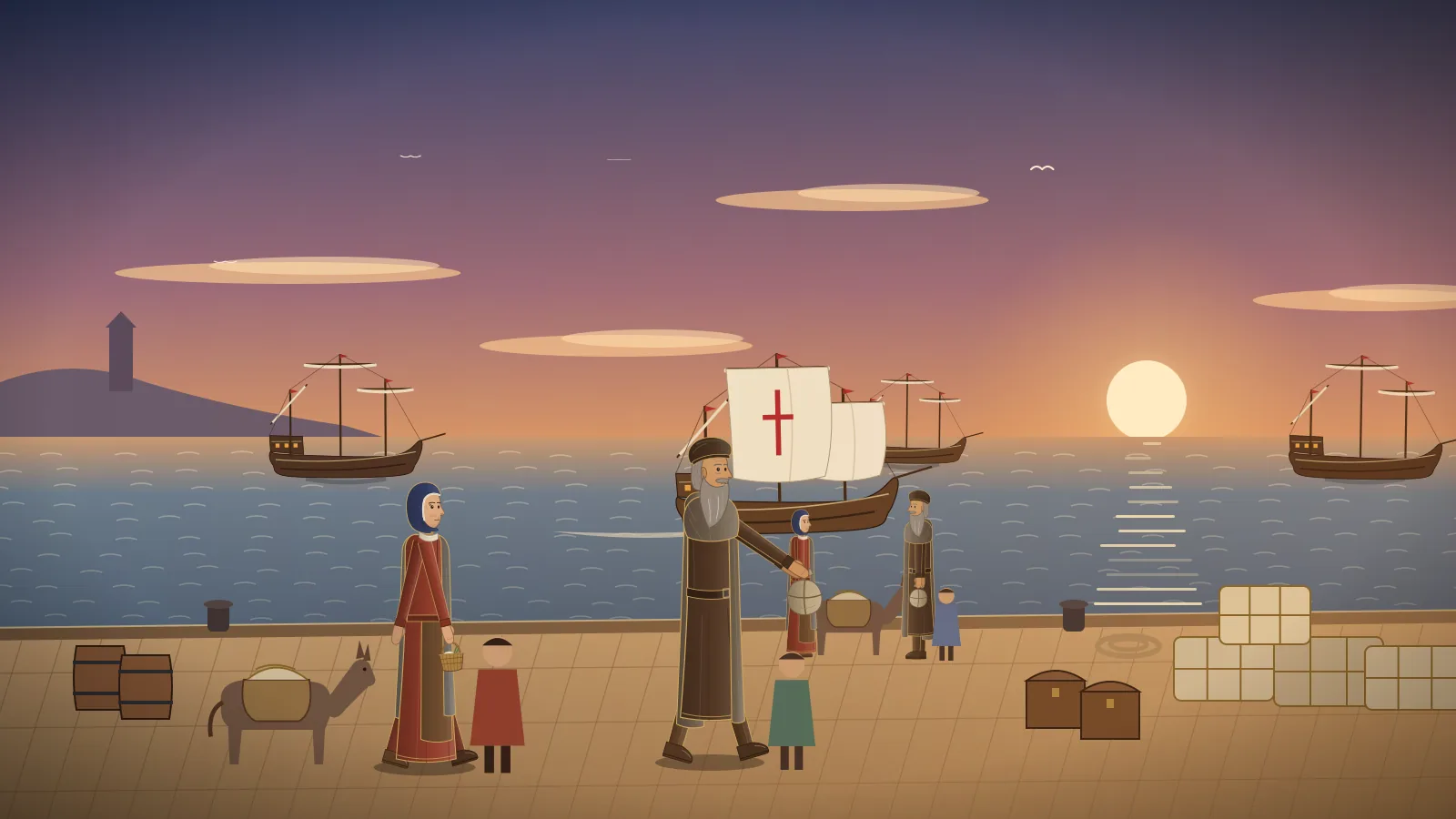
On 31 March 1492, Ferdinand and Isabella ordered every Jew in their kingdoms who refused baptism to leave within four months. Houses and land could be sold, but no gold or silver could be taken away. By late summer the ships were leaving. Historians disagree how many went: perhaps 40,000, perhaps far more. They carried their language with them to North Africa, to Italy and to the Ottoman Empire, and kept it for centuries.
They carried their language with them to North Africa, to Italy and to the Ottoman Empire.
Those who stayed were baptised, and the number of conversos under suspicion grew larger still.
In later generations the tribunals turned to other targets: the moriscos, converts from Islam and their descendants; Protestants; and people accused of blasphemy, of bigamy or of keeping forbidden books. Witchcraft, so deadly elsewhere in Europe, was a different matter. The Spanish Inquisition was notably sceptical of it.
Chapter IVwatch from 5:23
The Act of Faith
Trials ended in the auto-da-fé, the “act of faith”. It was not a burning. It was a public ceremony, with a procession and a Mass, where the sentences were read aloud before the crowd.
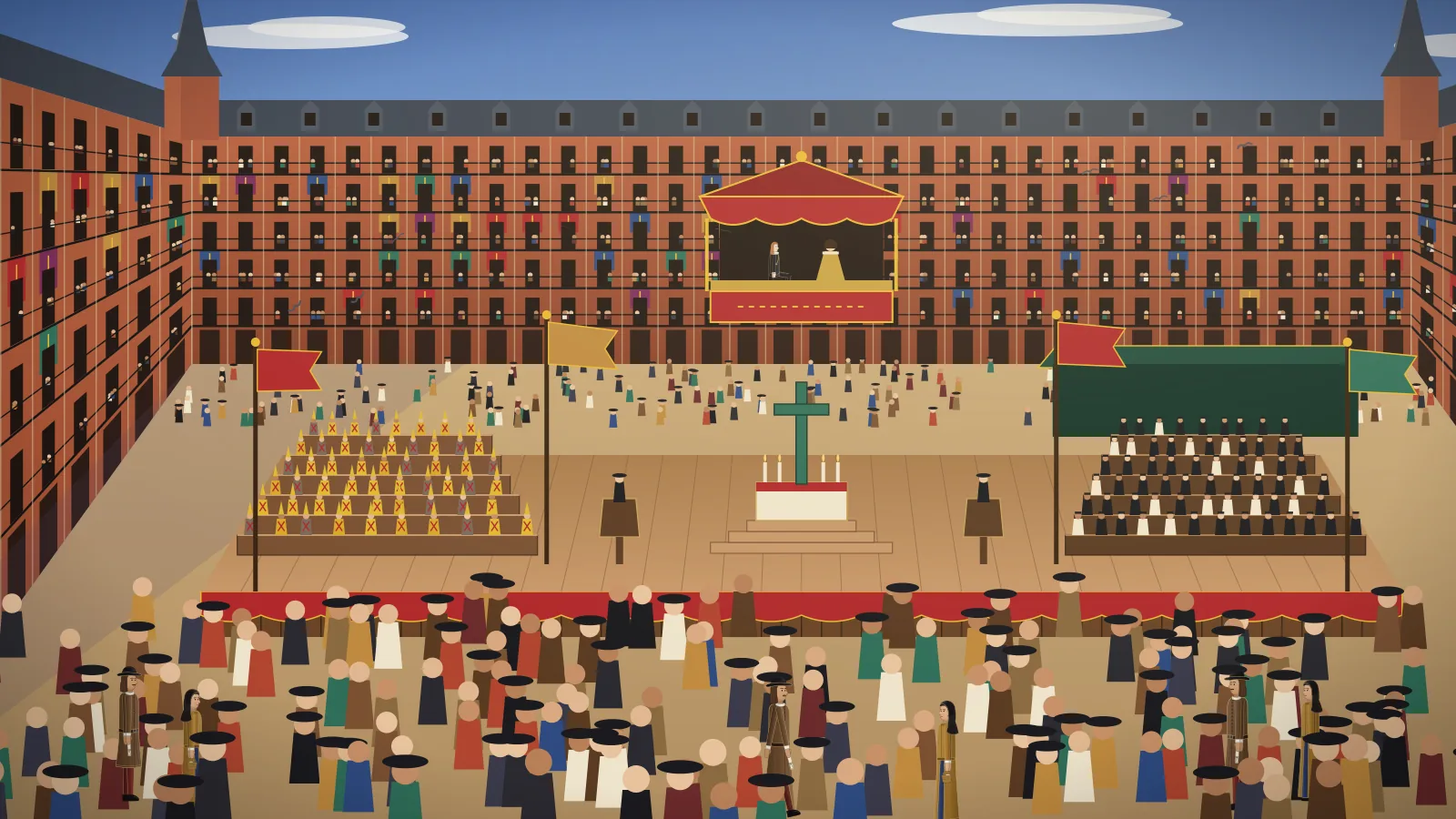
The most famous filled Madrid’s Plaza Mayor on 30 June 1680, before the young King Charles II and his bride, Maria Luisa of Orléans. A wooden stage more than 50 metres long had been built in the square in the days before. The green cross of the Inquisition, veiled in black, was carried in procession to an altar on the stage.
At seven in the morning the prisoners set out, many in the sanbenito, a yellow penitent’s tunic, and a tall paper cap. Effigies stood in for those who had fled or died. All day, under the summer sun, the sentences were read. Most of the accused were conversos, charged with keeping Jewish practices, and most were given penances, prison or exile. The ceremony ended at about half past nine at night, and the king, the accounts say, stayed to the end.
About twenty were handed over to the royal authorities and led out past the gate of Fuencarral, beyond the city. What happened there was not part of the act of faith. But in memory, the two became one.
But in memory, the two became one.
For those who were spared, the shame lasted. Their sanbenitos were hung in their parish church, with their names, for later generations to read. And laws of “purity of blood” barred descendants of Jews and Muslims from many offices, for generations.
Chapter Vwatch from 7:09
The Black Legend and the Archives
Spain’s enemies made the Inquisition a symbol. In 1567 a Spanish exile, writing under a false name, published a book in Heidelberg exposing its secret methods, and Protestant presses spread such books across Europe. Later historians called this picture of a uniquely cruel Spain the Black Legend.
In 1970 a comedy sketch on British television added a famous line: nobody expects the Spanish Inquisition. In fact, it often announced itself, with edicts read aloud in church.
In fact, it often announced itself, with edicts read aloud in church.
In 1817 Juan Antonio Llorente, a former secretary of the Inquisition, published its history in Paris, drawing on its own archives. He counted nearly 32,000 people burned. For a century and a half, figures like his, and far larger ones, were repeated.
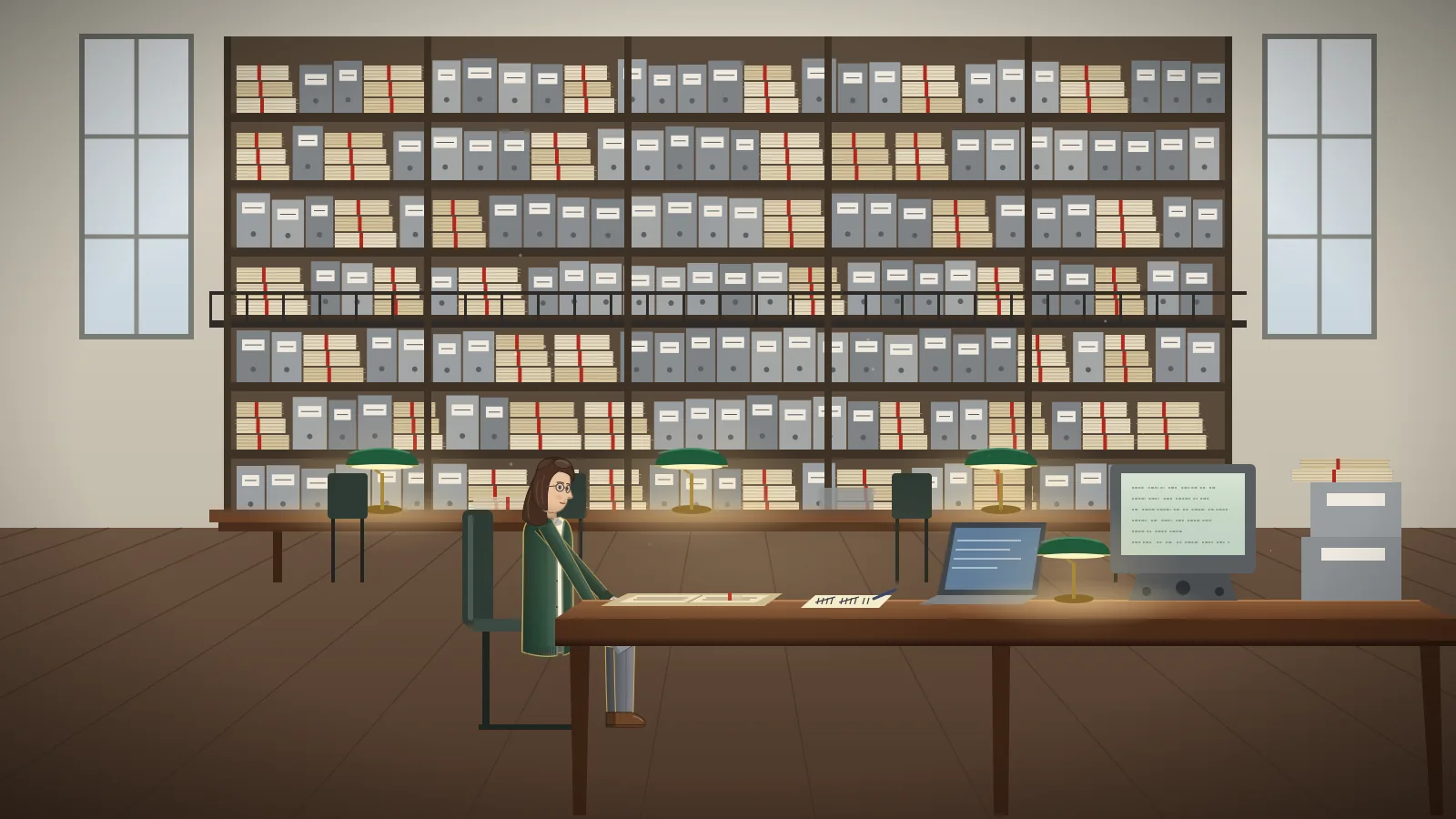
Then historians went back to the tribunals’ own records, the pages the notaries had filled. Gustav Henningsen and Jaime Contreras studied some 44,000 cases, from 1540 to 1700. Fewer than 2 in every 100 ended with the accused put to death. Most historians now think the Spanish Inquisition put to death about 3,000 to 5,000 people in all, most of them in its first 50 years.
Historians such as Henry Kamen stress that this does not make it harmless. Tens of thousands lost their property and their honour, and whole communities lived under suspicion.
Chapter VIwatch from 8:45
The Long Ending
The end was slow. Napoleon abolished the Inquisition in 1808, and Spain’s parliament at Cádiz did the same in 1813. A year later King Ferdinand VII brought it back.
In 1826 a church board in Valencia, trying to revive the tribunal under another name, condemned a schoolmaster, Cayetano Ripoll, for teaching deism. He was put to death, and Europe was outraged. On 15 July 1834, a royal decree abolished the Spanish Inquisition for good.
On 15 July 1834, a royal decree abolished the Spanish Inquisition for good.
In 2000 Pope John Paul II asked forgiveness for the sins of Christians, including intolerance and violence in the service of truth. Fifteen years later, Spain offered citizenship to descendants of the Jews it had expelled.
In Seville, the castle of Triana is gone. A market stands on its site, and beneath it, among the old foundations, a museum tells the Inquisition’s story.
Across the river, the city goes on with its evening, not far from the streets where six men and women once walked on a February morning. And in the archives, the voices of those the tribunal judged can still be heard, in the words a notary once wrote down.