The story of the film
Annemasse and Paris, Rennes-le-Château in the Aude, then Britain and London · 1956–2006
In the middle of the 1960s, a few thin typed booklets were deposited at the national library in Paris, the great old building on the rue de Richelieu. They bore strange pen names, and held family trees, lists and notes. To anyone who opened them, they told of a secret society almost nine centuries old. Its name was the Priory of Sion. Its masters, the booklets said, had included Leonardo da Vinci and Isaac Newton. And it guarded the blood of ancient kings.
Chapter Iwatch from 0:42
A Club Near Geneva
The real story begins in 1956, in Annemasse, a growing French town on the Swiss border, a few minutes from Geneva.
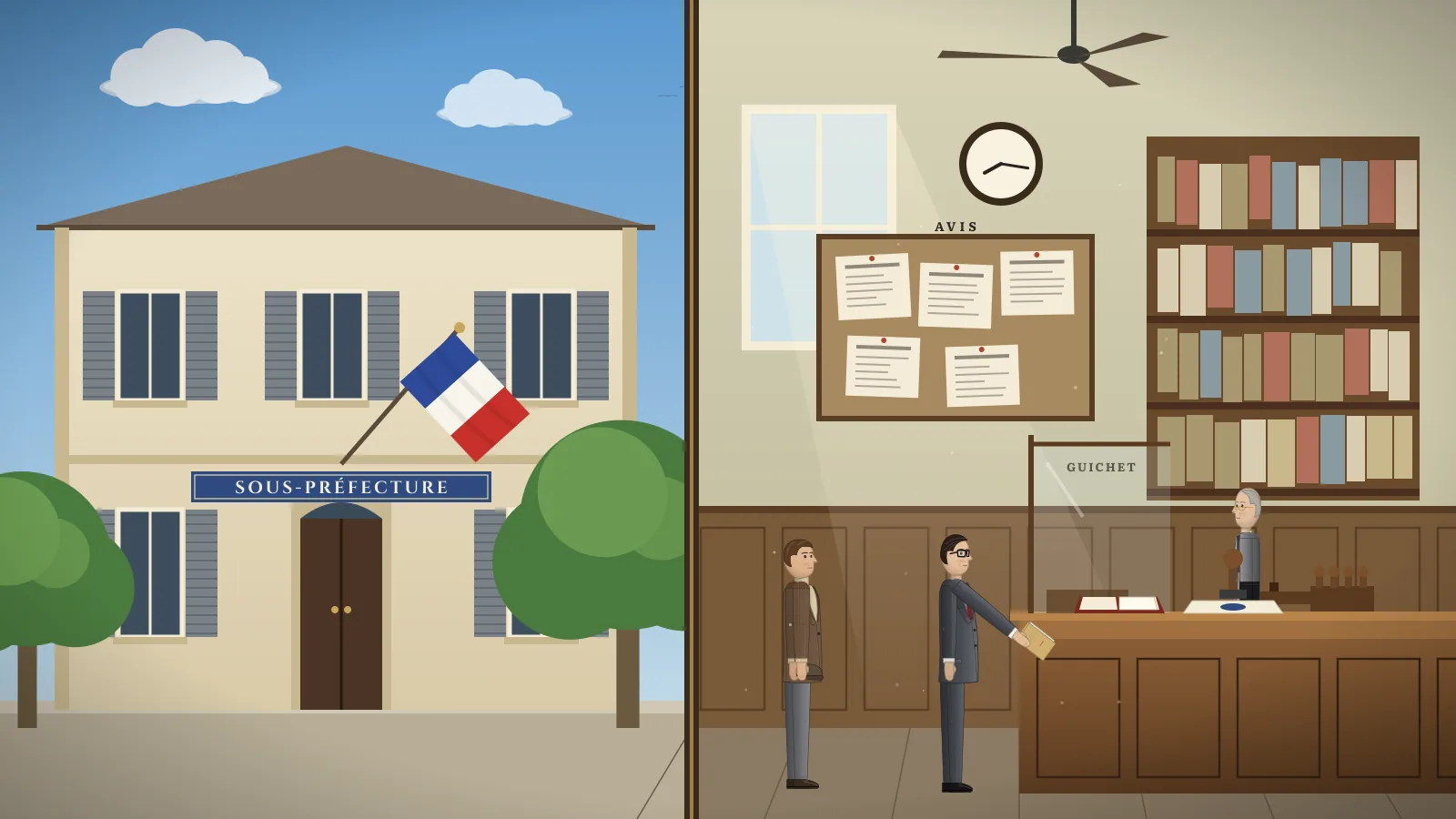
Pierre Plantard was 36, a draughtsman, living in a new block of low-cost flats. In May, he and three friends, André Bonhomme, Jean Deleaval and Armand Defago, drew up the statutes of a club. On 25 June 1956 they registered it at the sub-prefecture of Saint-Julien-en-Genevois. They called it the Priory of Sion, and that July the new association was announced in the official journal.
The name, Plantard later said, came from Mont Sion, a green hill nearby. It had nothing to do with Mount Zion in Jerusalem.
The club had a small bulletin called Circuit. It ran for 12 issues, and dealt mostly with the problems of tenants in cheap housing. Its statutes spoke of study and mutual help, in a vaguely Catholic and knightly language. There were no knights and no secrets, only neighbours with complaints about their flats. Within months, the association had lapsed.
Chapter IIwatch from 1:49
The Draughtsman and the Marquis
Plantard’s own past was less ordinary. Born in Paris in 1920, he had left school at 17, and worked as a sacristan in a Paris church.
During the German occupation he founded a tiny nationalist group, Alpha Galates. Its bulletin carried antisemitic content. Police thought it had only a handful of regular members. In 1953, a French court sentenced him to six months in prison for fraud.
Yet he dreamed of something grander. He would later call himself Plantard de Saint-Clair, and claim the blood of kings.
In the early 1960s he found a partner: Philippe de Chérisey, a marquis from an old Lorraine family, an actor, and a radio humorist who performed as Amédée. De Chérisey loved puns, riddles and word games. He had even appeared in a famous French film, Forbidden Games, of 1952. The earnest draughtsman and the playful marquis made an unlikely pair, and together they set to work.

Chapter IIIwatch from 2:57
The Secret Dossiers
Together they began to give the little club an imaginary past. Plantard first fed material to a writer, Gérard de Sède, for a book of 1962 about a hidden Templar treasure at the castle of Gisors, in Normandy.
Then, between about 1965 and 1967, the typed booklets went into the national library, under invented names, such as Henri Lobineau. Later writers called them the Secret Dossiers. Once catalogued in a respectable archive, they could be found, and quoted, as if they were genuine discoveries.
Once catalogued in a respectable archive, they could be found, and quoted, as if they were genuine discoveries.
The dossiers claimed that the Priory had been founded in the Holy Land, at the time of the First Crusade. They said it had created the Knights Templar, and parted from them in 1188.
They gave it a line of grand masters: Leonardo da Vinci, Isaac Newton, Victor Hugo, Claude Debussy, Jean Cocteau. Every one of them was already dead, and none could object.
Above all, the Priory was said to guard the descendants of the Merovingians, the early kings of the Franks. The family tree ended, conveniently, with Pierre Plantard himself.
Chapter IVwatch from 4:13
The Priest’s Treasure
The forgers tied their tale to a real local legend, in Rennes-le-Château, a hilltop village in the Aude, in the south of France, with the Pyrenees on the horizon.
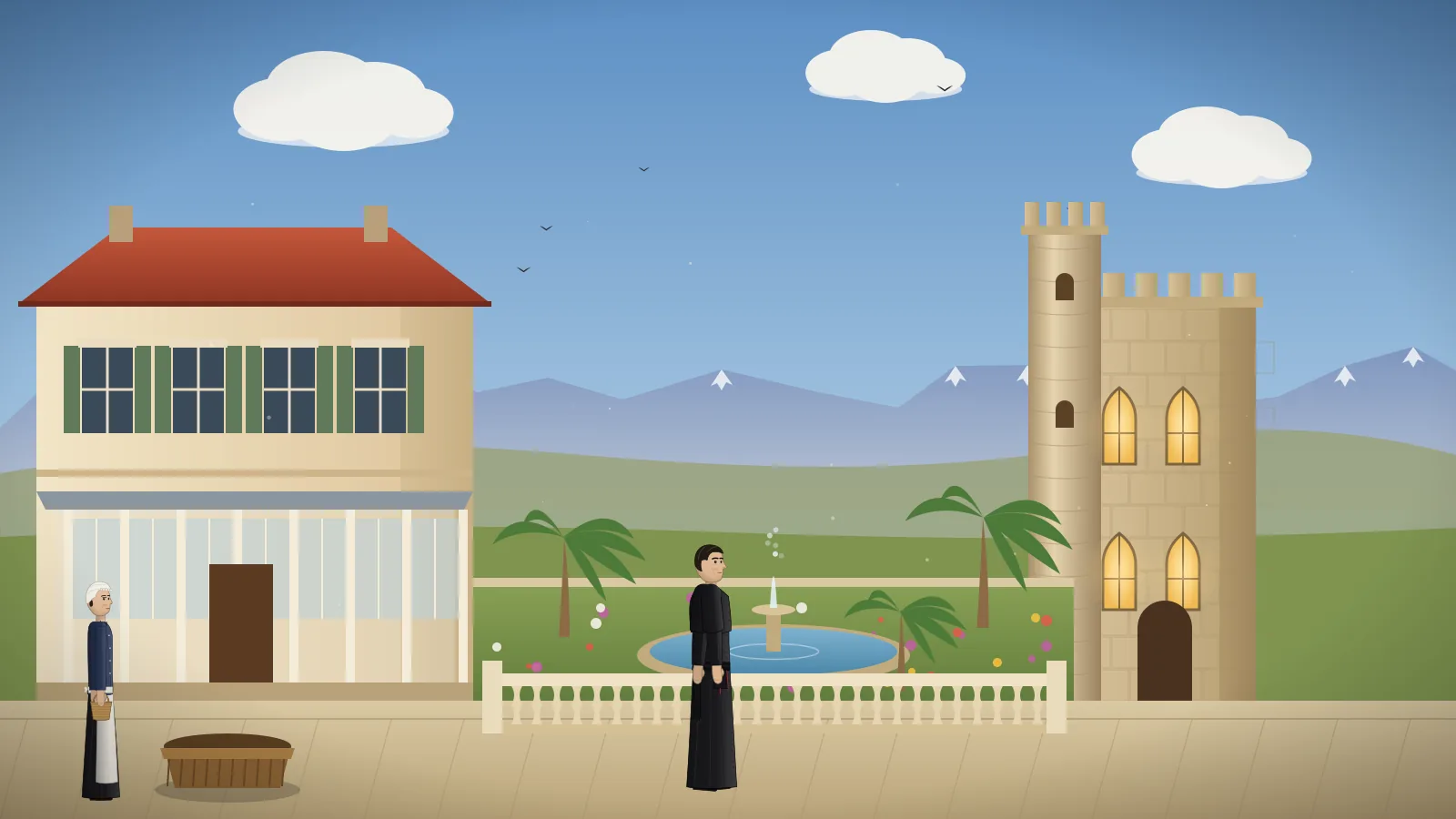
In 1885, a priest named Bérenger Saunière arrived in the village. In the years that followed, he redecorated his small church with brightly painted statues, ordered in 1896. He also built a villa, a garden, and a small crenellated tower he used as a library, the Tour Magdala, joined by a promenade to his Villa Bethania. The building went on from 1898 to 1905. How could a village priest pay for all this?
Most researchers think they know the main answer. Saunière took payment for masses on a large scale, and asked for donations. In 1910, a church court tried him, and he was suspended. He died in 1917.
In the 1950s, a restaurateur, Noël Corbu, opened a restaurant on the priest’s old estate, and told visitors that Saunière had found a treasure. Treasure seekers began to dig.
Plantard’s material gave that treasure a royal and religious meaning. It included two Latin parchments, said to have been found by Saunière inside a pillar of his church. De Chérisey later said that he had composed them himself. One text was copied from a Bible dictionary printed in 1895.
In 1967, Gérard de Sède told the whole story in a book, The Gold of Rennes. It became a French bestseller, and more treasure hunters came to the village. That same year, Plantard and de Sède quarrelled over the book’s royalties, and de Chérisey announced that he had forged the parchments. The story kept spreading anyway.
Chapter Vwatch from 6:12
A Message in the Parchments
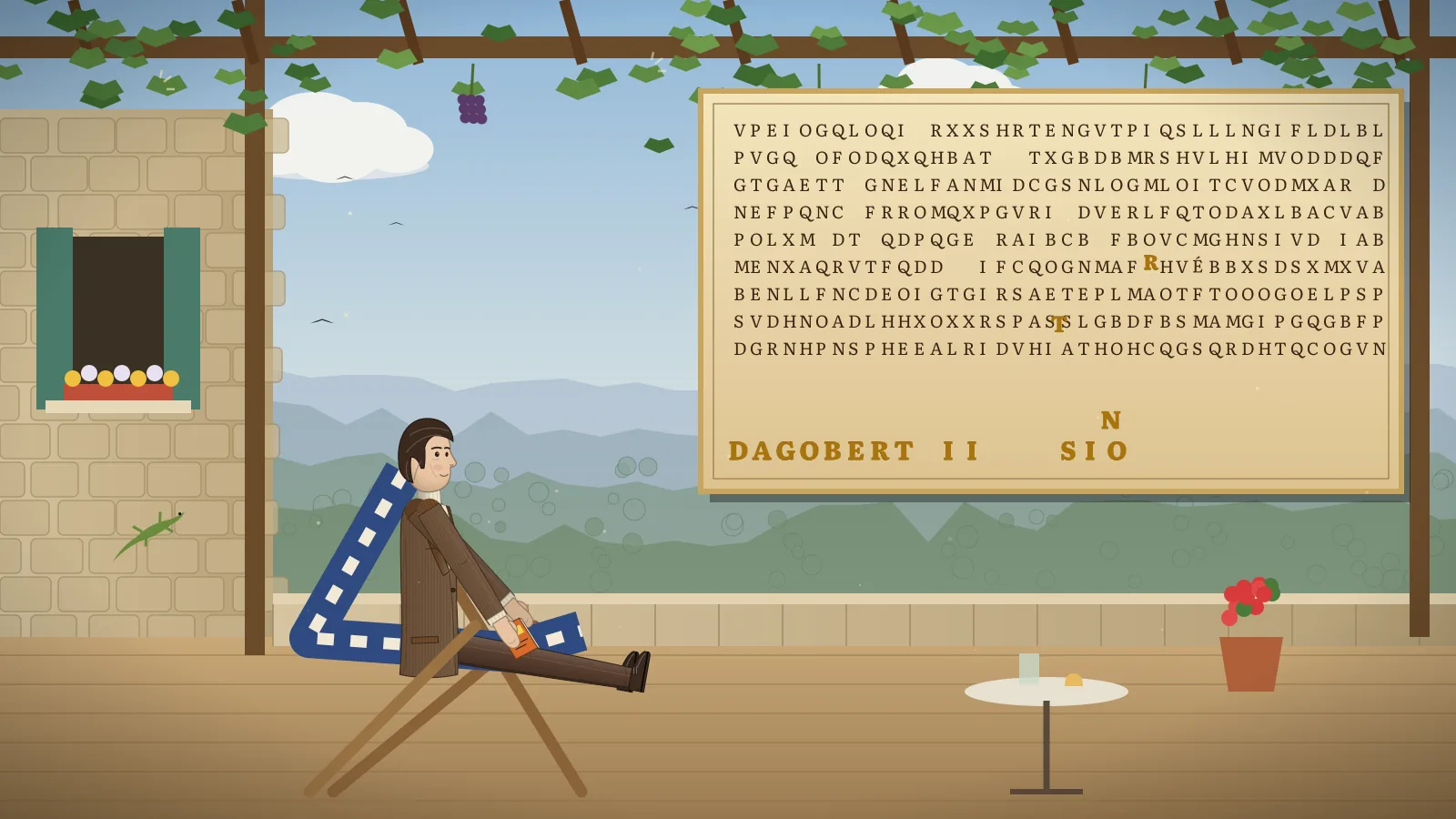
In 1969, a British television writer, Henry Lincoln, who had co-written serials for Doctor Who, read a paperback edition of the book, Le Trésor maudit de Rennes-le-Château, while on holiday in the Cévennes. In the parchments, he found a hidden message. Decoded, it spoke of King Dagobert the Second, of Sion, and of a treasure. It was a message the forger had built into the text.
Lincoln wrote and presented three documentaries for the BBC, in 1972, 1974 and 1979. Made for the BBC Two series Chronicle, they brought the mystery of Rennes-le-Château to British viewers.
With Michael Baigent and Richard Leigh, he wrote The Holy Blood and the Holy Grail, published in 1982. It took the Secret Dossiers at face value. It went further, suggesting that the Merovingian kings descended from a child of Jesus and Mary Magdalene, and that the Priory had kept this secret for centuries.
It sold very widely. Historians and theologians dismissed its method, which built each guess upon the last.
Chapter VIwatch from 7:25
A Judge and a Confession
By then, French researchers had shown that the dossiers were modern. Yet in 1989, Plantard launched a new version: the Priory, he now said, had been founded at Rennes-le-Château in 1681.
Among its grand masters he named Roger-Patrice Pelat, a businessman and friend of President François Mitterrand, who had died that year under investigation. It was one name too many.
That brought the Priory into a real court case. In 1993, an investigating judge, Thierry Jean-Pierre, was examining Pelat’s financial affairs. He had Plantard’s home searched. Officers found piles of fabricated papers, among them documents that named Plantard the true king of France.
Under oath, Plantard admitted that he had invented the whole story, Pelat included.
Under oath, Plantard admitted that he had invented the whole story, Pelat included. He was warned against continuing, and withdrew from public life. He died in Paris on 3 February 2000.

Chapter VIIwatch from 8:36
The Novel
But the story no longer needed him. In 2003, Dan Brown’s novel The Da Vinci Code opened with a page headed Fact, describing the Priory as a real society, and citing the dossiers of the national library as if they were genuine.
The novel, and the film of 2006, carried the Priory to many millions of readers and viewers. Its publisher reports more than 80 million copies sold.
In 2006, Baigent and Leigh sued the novel’s British publisher for copying their work. On 7 April 2006 the High Court in London rejected the claim, partly because historical ideas, true or not, cannot be owned. The Court of Appeal upheld the decision the following year.
Chapter VIIIwatch from 9:21
What the Records Show
The records tell a small story: a tenants’ club registered in 1956, typed booklets of the 1960s, and a confession under oath.
No medieval document mentions such a Priory. A real Abbey of Our Lady of Mount Zion stood in medieval Jerusalem, but it had no link to Plantard’s club.
Historians see a hoax that grew because each new book quoted the one before it as evidence. De Sède’s book drew on Plantard’s material, Lincoln’s films and book drew on de Sède and the dossiers, and the novel drew on The Holy Blood and the Holy Grail. At no step did anyone produce a medieval page.
Today, Mont Sion is still a quiet hill of fields and woods near the Swiss border. No knights ever gathered there.
The Priory of Sion began with a small club, a typewriter and a hill. Everything else was written later, one page at a time.