
The story of the film
Medieval Europe, Scotland and London, then Paris, Vienna, Boston, New York and Rome · c. 1400–today
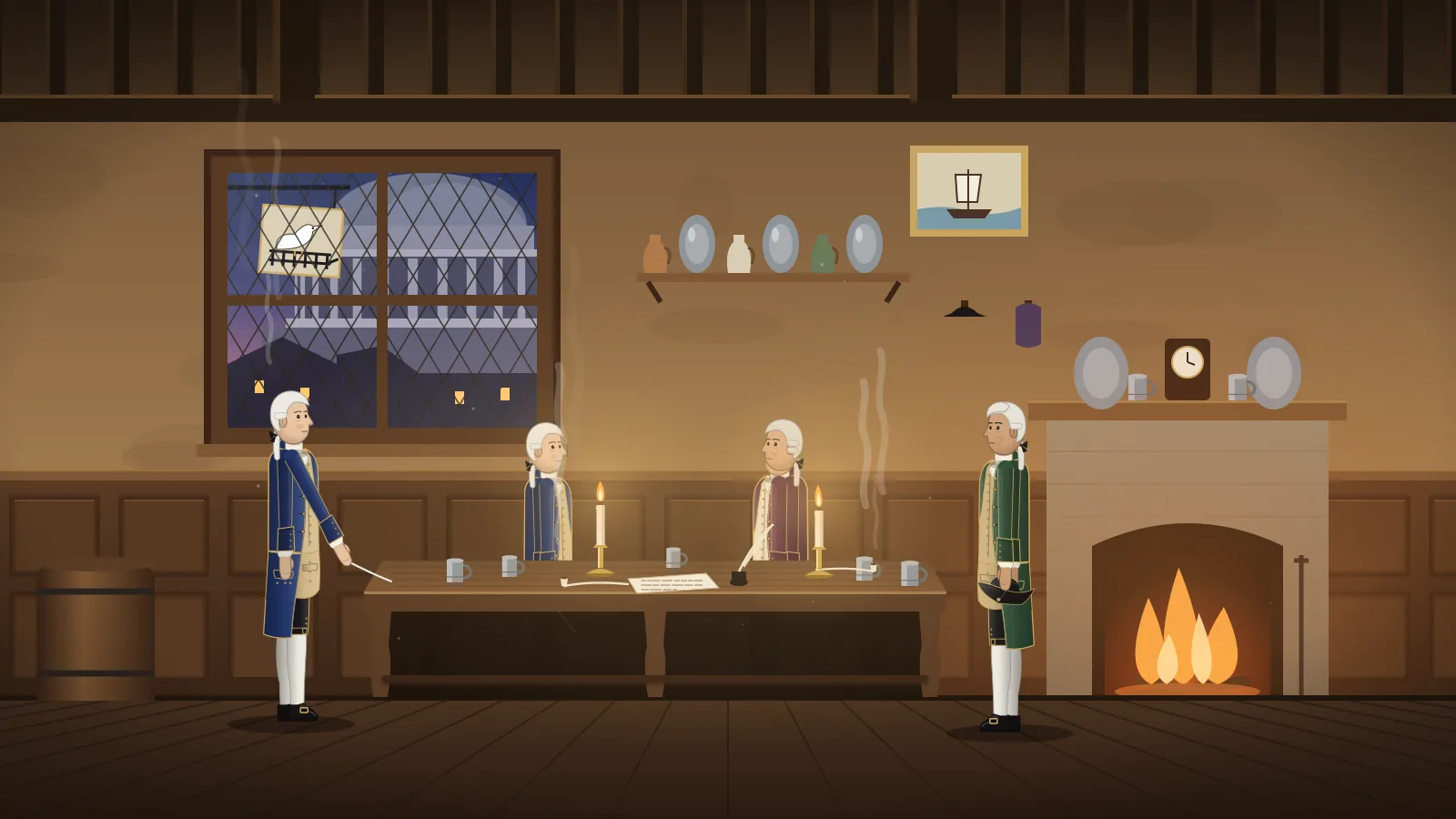
In the summer of 1717, the great dome of St Paul’s Cathedral rose above London, newly finished by its stonemasons. Beside it, in the churchyard, stood an alehouse called the Goose and Gridiron. There, on Midsummer Day, by a later account, men from 4 London lodges met and chose a Grand Master.
Few of them, it seems, had ever cut a stone. They called themselves Freemasons. And people have argued about them ever since.
Chapter Iwatch from 0:39
Lodges of Stone
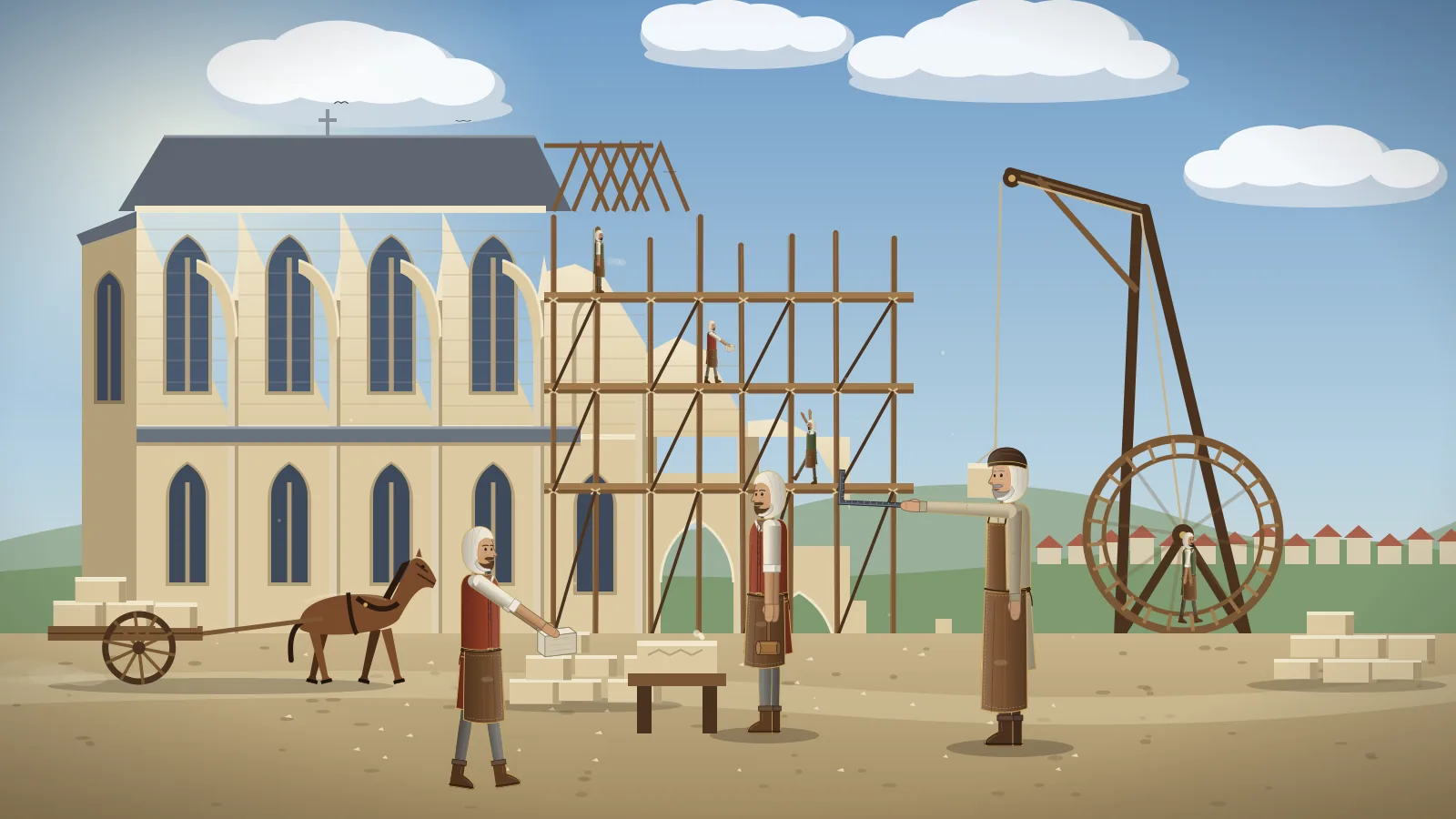
The story began with real masons. Across medieval Europe they travelled from one great building site to the next, wherever a cathedral, an abbey or a castle was rising. On each site they had a lodge: a wooden workshop built against the growing walls, where they shaped the stone and kept their tools. In time, the word came to mean the masons themselves.
In England their rules survive in a set of documents called the Old Charges. The oldest is a poem from around 1400. It traces the craft back to Euclid, who was said to have taught geometry in Egypt, and to the Saxon king Athelstan, who was said to have given the masons their laws. Masons were charged to be honest, to do good work, and to keep the secrets of the craft. Historians read these legends as pride in a trade, not as history.
Historians read these legends as pride in a trade, not as history.
In Scotland, in 1598, William Schaw, master of works to King James VI, issued statutes for the masons’ lodges and told them to keep records. The oldest surviving minutes date from 1599. Soon some lodges began to admit gentlemen who did not work stone at all. In 1600 a laird, John Boswell of Auchinleck, attended the Lodge of Edinburgh, and his name and his mark were written into its minutes.
In England, the scholar Elias Ashmole wrote in his diary that on 16 October 1646 he was made a Free Mason, at Warrington in Lancashire. For such accepted, or speculative, masons, the builder’s tools had become symbols. They were no longer meant for raising walls, but for building a good life.
Chapter IIwatch from 2:18
The Goose and Gridiron
Which brings the story back to the tavern beside St Paul’s. The only account of that Midsummer meeting was written 21 years later, by a Scottish minister in London named James Anderson. No record from 1717 itself has been found, and some historians now think the Grand Lodge was really formed in 1721. Either way, in those London rooms, modern Freemasonry was born.
In 1723 Anderson published The Constitutions of the Free-Masons, a book of legendary history, rules and duties. A Mason, it said, would never be “a stupid Atheist”. Yet he need only follow “that religion in which all men agree”, keeping his own particular opinions to himself.
Quarrels about religion, nations and politics were to be left outside the lodge door. In a Europe that still remembered its long wars of religion, it was an unusual idea: a room where men of different churches could sit at the same table and call one another brother.
Quarrels about religion, nations and politics were to be left outside the lodge door.
Chapter IIIwatch from 3:05
Square and Compasses
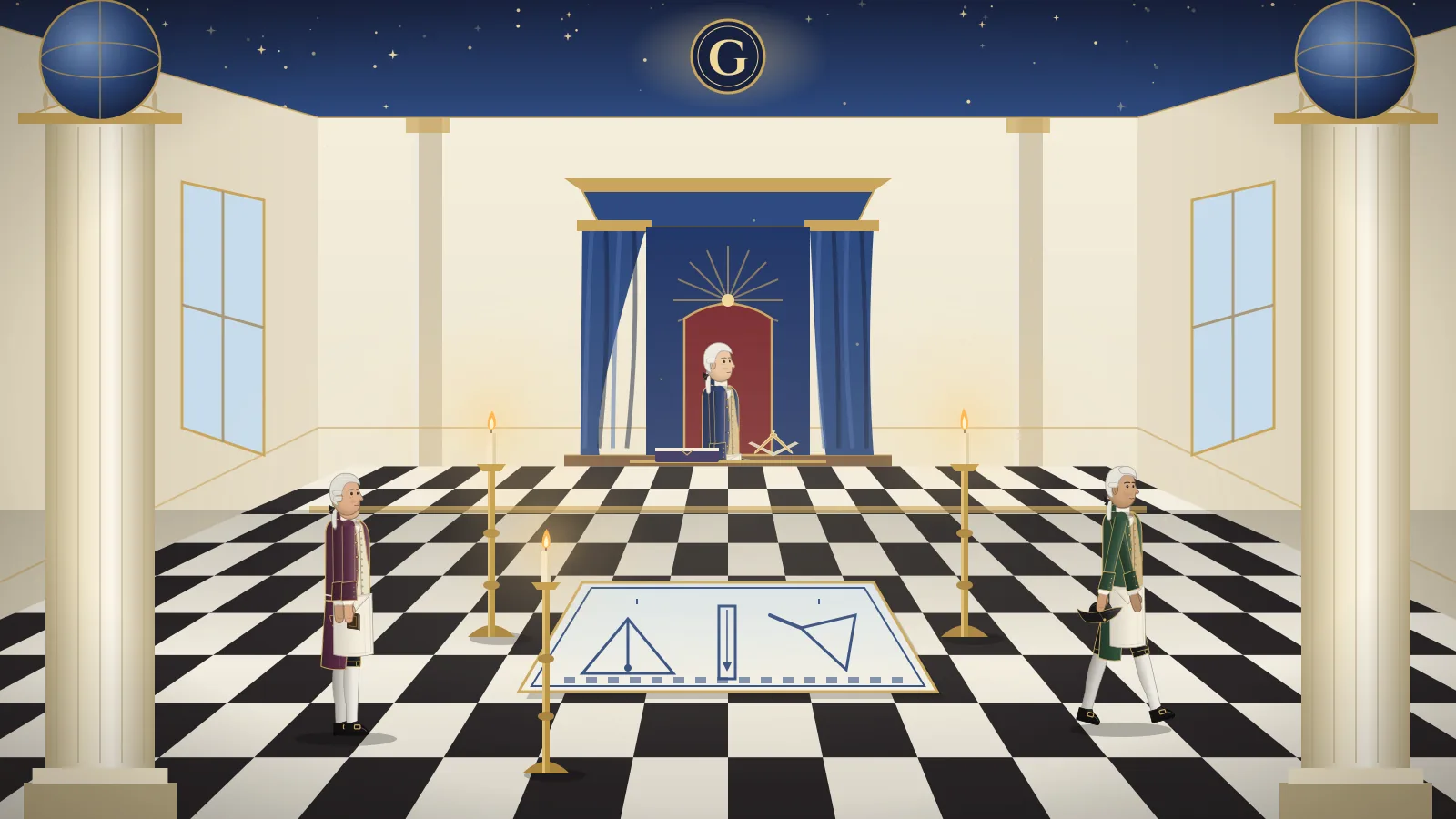
The symbols came from the building site. The square stood for honest dealing, the compasses for keeping one’s desires within bounds. A white apron recalled the working mason’s leather one, the kind that had once hung heavy with stone dust in the lodges beside the cathedrals.
A new member passed through 3 degrees: Entered Apprentice, Fellow Craft and Master Mason. In most lodges he had to believe in a Supreme Being, often called the Great Architect of the Universe. Which church he went to on Sunday was his own affair.
The third degree tells of Hiram Abiff, master builder of Solomon’s Temple, who, in the Masonic story, was killed because he would not reveal a master’s secret. Masons understand it as an allegory of integrity: the tale of a man who kept his word to the very end.
Masons understand it as an allegory of integrity.
The ceremonies were private. But in 1730 a London pamphlet called Masonry Dissected claimed to print them in full, and the secrets of the lodge began their long life in print.
Chapter IVwatch from 3:56
Across the Seas
Freemasonry travelled with merchants, soldiers and empire: to Paris and The Hague, to India, and across the Atlantic. Wherever a regiment camped or a trading house opened its doors, a lodge might soon follow.
French lodges invented many new, higher degrees. In 1737 the Scottish-born writer Andrew Michael Ramsay traced the brotherhood to the knights of the Crusades. Later writers claimed descent from the Knights Templar. Historians have found no evidence for either story.
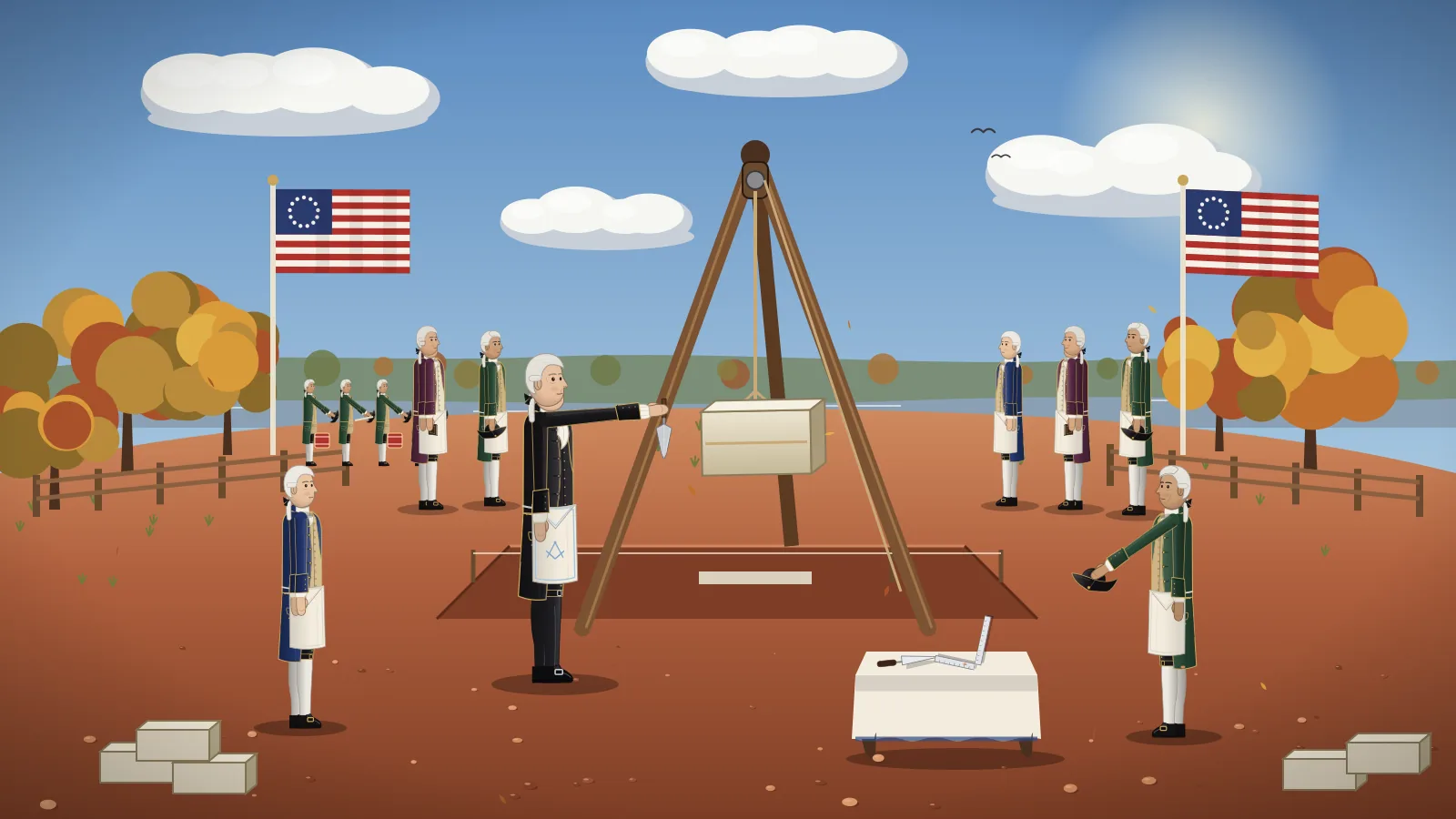
In Philadelphia, a young printer named Benjamin Franklin joined a lodge in 1731. Three years later he printed Anderson’s Constitutions, the first Masonic book published in America. George Washington became a Mason in Virginia in 1752. In 1793 he laid the cornerstone of the United States Capitol, in a Masonic ceremony.
In Boston, in 1775, Prince Hall and 14 other free Black men were initiated in a lodge of the British army. In 1784 London granted them a charter for African Lodge. White American Grand Lodges refused to recognise them, but the lodges that grew from theirs endured, and they are still called Prince Hall Freemasonry.
In Vienna, Mozart was initiated in December 1784. He wrote music for his lodge, and many hear Masonic symbols in The Magic Flute, from its 3 opening chords. In Paris, in 1778, the aged Voltaire joined the Lodge of the Nine Sisters, with Franklin, by most accounts, at his side. Voltaire died less than 2 months later.
But most Freemasons were not famous. They were shopkeepers, officers, clergymen and clerks. They held their ceremonies, dined together, and raised money for charity.
But most Freemasons were not famous.
Chapter Vwatch from 6:00
Secrets and Suspicion
From the start, secrecy invited suspicion. In 1738 Pope Clement XII condemned Freemasonry, objecting to its oaths, and to a brotherhood that joined men of any faith. Catholics who joined faced excommunication, and later popes repeated the ban. In some Catholic countries, lodges became homes for anticlerical politics.
After the French Revolution, writers such as the Abbé Barruel claimed that the Freemasons and the Bavarian Illuminati had secretly plotted it. That story is told in another film of this series.
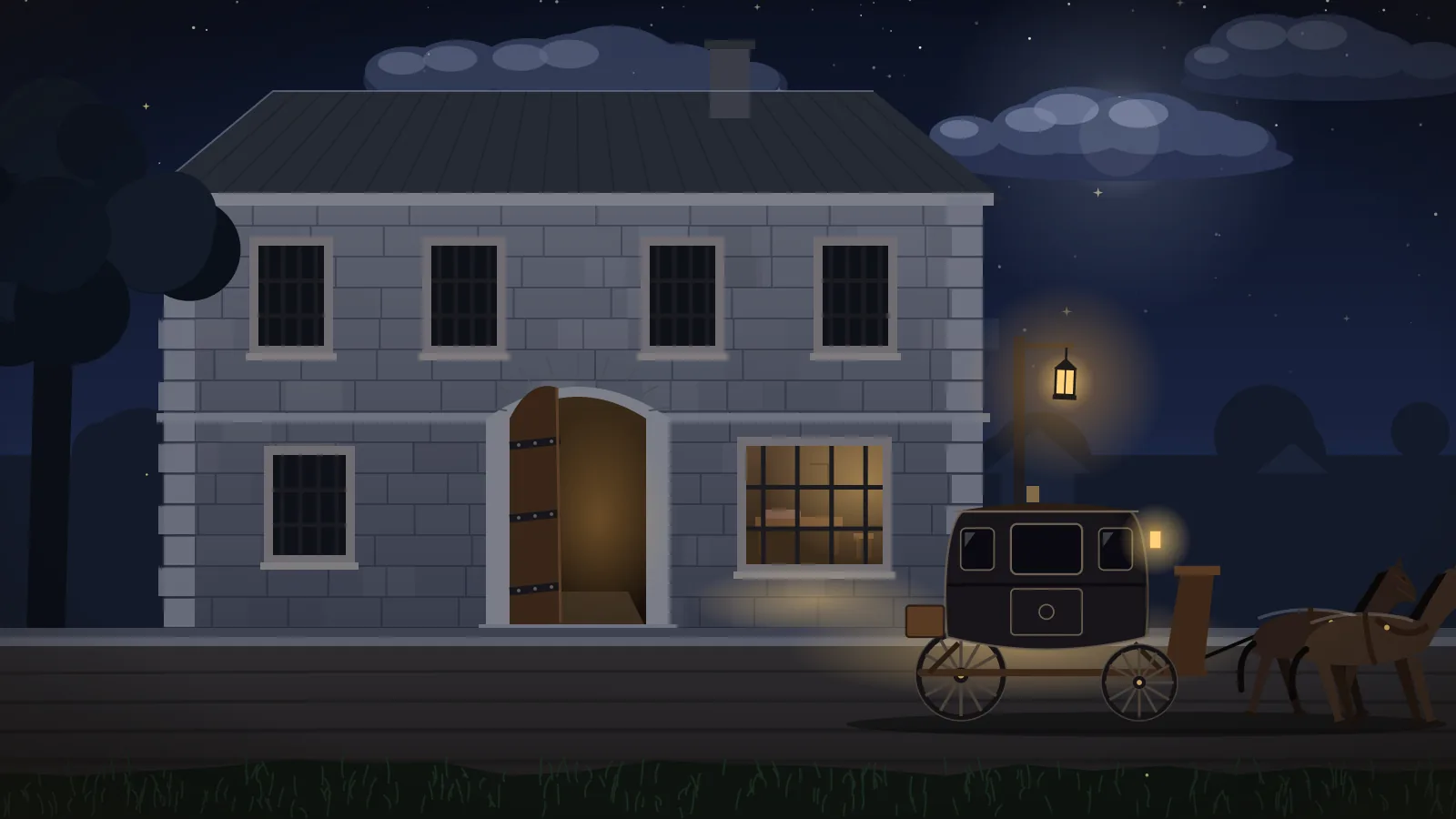
In 1826, in the town of Batavia, in western New York, a stonecutter named William Morgan announced that he would publish the secret rituals of Freemasonry. That September he was arrested over a small debt and held in the jail at Canandaigua. One night, men took him away in a closed carriage. The carriage, witnesses later said, went to Fort Niagara, on the shore of Lake Ontario. After that, William Morgan was never seen again.
After that, William Morgan was never seen again.
His book appeared anyway. Several Masons were convicted of kidnapping him. No body was found, and no one was ever tried for murder.
Outrage became a movement. The Anti-Masonic Party, the first third party in the United States, held the first national convention to nominate a president, in Baltimore, in 1831. Its candidate won only Vermont. But in New York State, the number of lodges fell from nearly 500 to about 70 in about 10 years.
Chapter VIwatch from 7:52
Hoaxes, Bans and a List
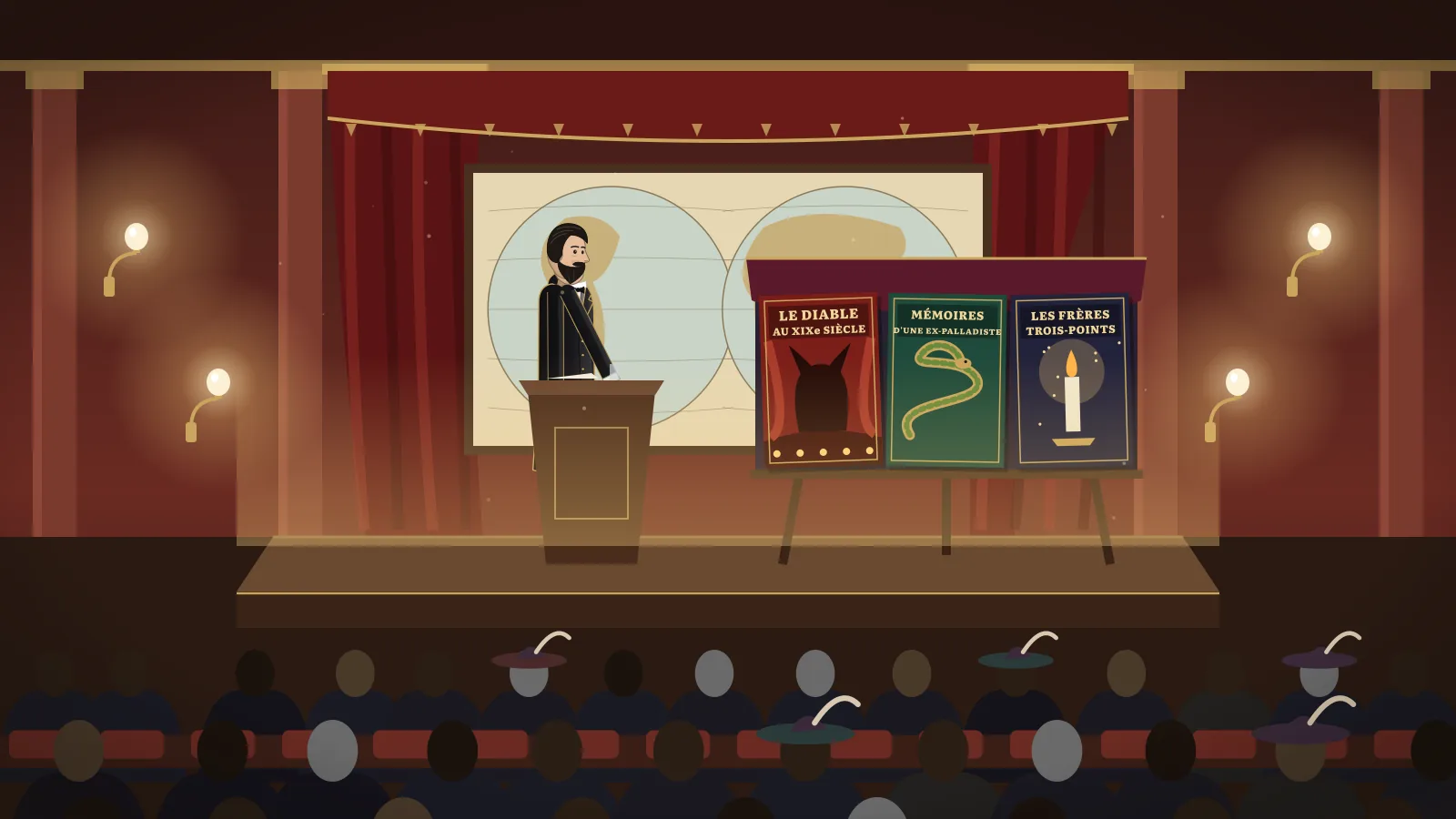
In France, in the 1890s, a writer called Léo Taxil published sensational books claiming that Freemasons secretly worshipped the Devil. Many readers believed him. Then, on 19 April 1897, before a crowded hall in Paris, he announced that it had all been a hoax.
In the 20th century, suspicion became persecution. Nazi propaganda tied the Freemasons to an antisemitic myth of a Jewish world plot, and by 1935 every German lodge had been dissolved. Fascist Italy, Franco’s Spain and the Soviet Union banned the lodges too. In occupied Paris, the Nazis and their French allies displayed objects seized from lodges, to mock them.
In the 20th century, suspicion became persecution.
So, is any of it real? Sometimes. In 1981 Italian police found the list of a lodge called P2: 962 names, including the heads of the secret services. The scandal helped bring down a government. But P2 had already been cut off by Italy’s main Masonic body, which then expelled its leader.
Individual Freemasons have taken part in revolutions, plots and scandals, often on opposite sides. What the records do not show is one brotherhood steering world events.
Chapter VIIwatch from 9:24
Privacy, Not Secrecy
Today there are perhaps 2 to 6 million Freemasons, in independent Grand Lodges around the world. Most admit only men, but orders that admit women have existed since the 1890s. The Catholic Church still forbids its members to join, and in 2023 the Vatican confirmed the ban once again.
In London, Freemasons’ Hall was built as a memorial to members who died in the First World War. Today it welcomes visitors, with a free museum and tours of its halls. The rituals once whispered behind closed doors have long been in print. Freemasons today prefer to speak of privacy, rather than secrecy.
Freemasons today prefer to speak of privacy, rather than secrecy.
The Goose and Gridiron was pulled down in the 1890s. But the dome of St Paul’s still stands over the city. It was raised by men with chisels and squares. Beside it, other men took up those same tools as symbols, and began a story still argued over today.




























































