The story of the film
Vienna, London and Cairo, then Sicily, Germany, and Pasadena and Berkeley in California · 1895–1985
On 8 April 1904, in Cairo, a young Englishman sat down at his desk in a ground-floor flat near the city’s museum of antiquities. It was just before noon. For one hour he wrote, steadily, alone in the room, and he did the same at noon the next day, and the day after. He said the words were dictated by an unseen voice, a being he called Aiwass, speaking from over his left shoulder. He named the text The Book of the Law. The writer was Aleister Crowley, and about twenty years later his short book would become the creed of a secret order with a Latin name: Ordo Templi Orientis.
Chapter Iwatch from 0:52
An Order from the East
Around 1900, Europe was crowded with hidden orders. Spiritualism, Theosophy and the Hermetic Order of the Golden Dawn had made the occult fashionable. Fringe Masonic rites, with dozens of degrees, were chartered, sold and merged from London to Vienna. In this busy world, a new order took shape.
Its organiser was Theodor Reuss, born in Augsburg in 1855. As a young singer, he is said to have taken part in the first performance of Wagner’s Parsifal, at Bayreuth, in 1882. Later, in London, he worked as a journalist and joined the Socialist League, until in 1886 he was expelled, accused of spying for the Prussian police. Reuss was a collector of charters. He gathered the rights to several irregular Masonic rites, and dreamed of joining them under one roof.
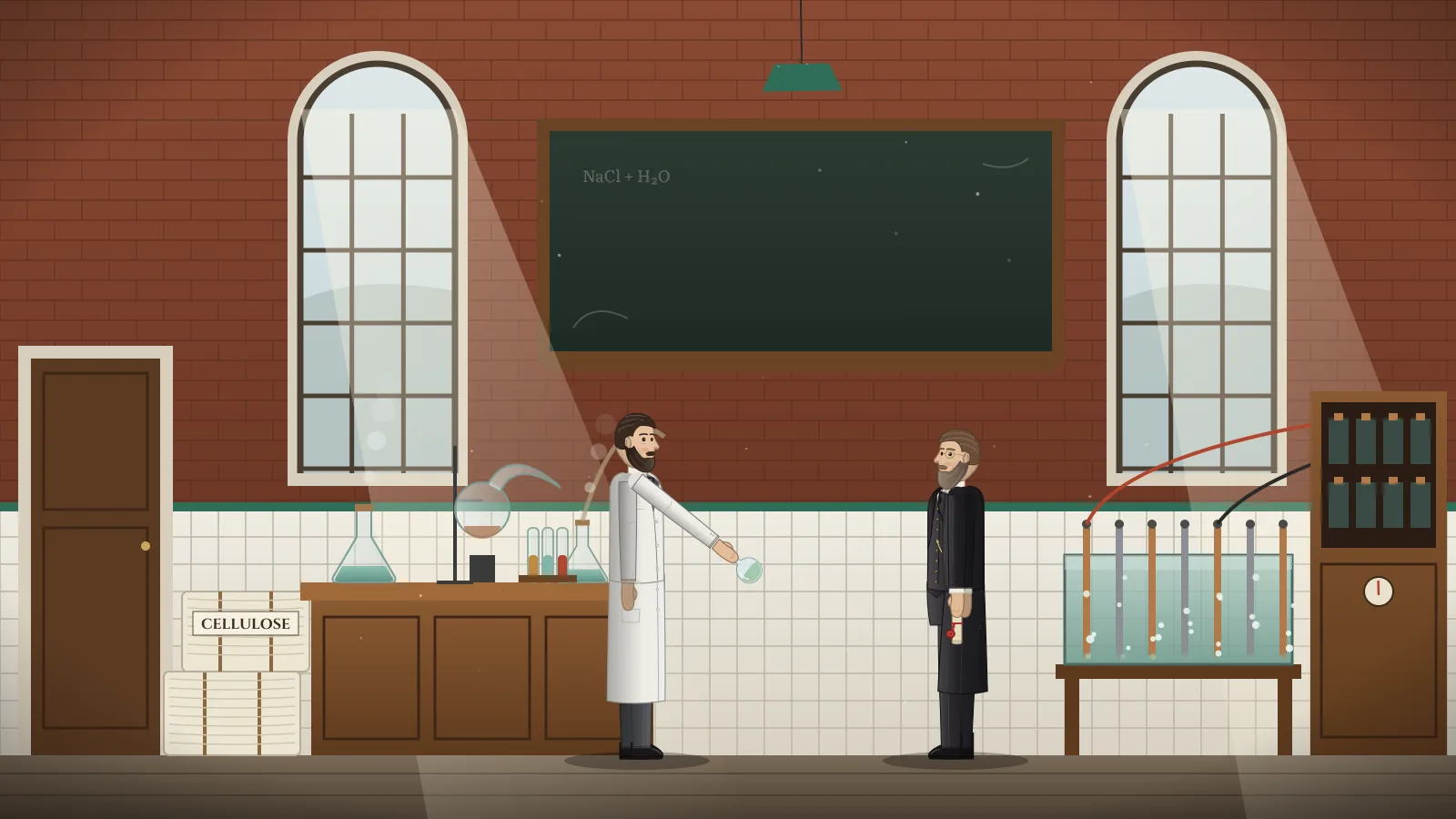
His partner was Carl Kellner, a Viennese chemist. Kellner made his fortune in paper pulp, and helped invent a way of making chlorine and caustic soda with electricity. He was also drawn to yoga and the occult. From about 1895 the two men talked of an inner order, and chose its name: Ordo Templi Orientis, the Order of the Temple of the East.
The order later said that Kellner had learned its secret from three Eastern masters, a Sufi and two Indian teachers. No independent evidence for these meetings has ever been found, and historians treat the story as part of the order’s founding legend.
In 1902 Reuss began a journal called The Oriflamme. By 1904 it was announcing the new order, which claimed to hold the key to all Masonic and Hermetic symbolism. Kellner died in Vienna in 1905, and the order’s first known constitution is dated the next year. It had a name, a journal, and few members.
Its lower degrees looked much like Freemasonry: an initiation, a ladder of grades, and an oath to keep the ceremonies private. At the very top, Reuss taught, lay a secret about sexuality, treated as a spiritual and magical discipline. Historians know it mainly from Crowley’s later writings.
Chapter IIwatch from 3:21
The Englishman
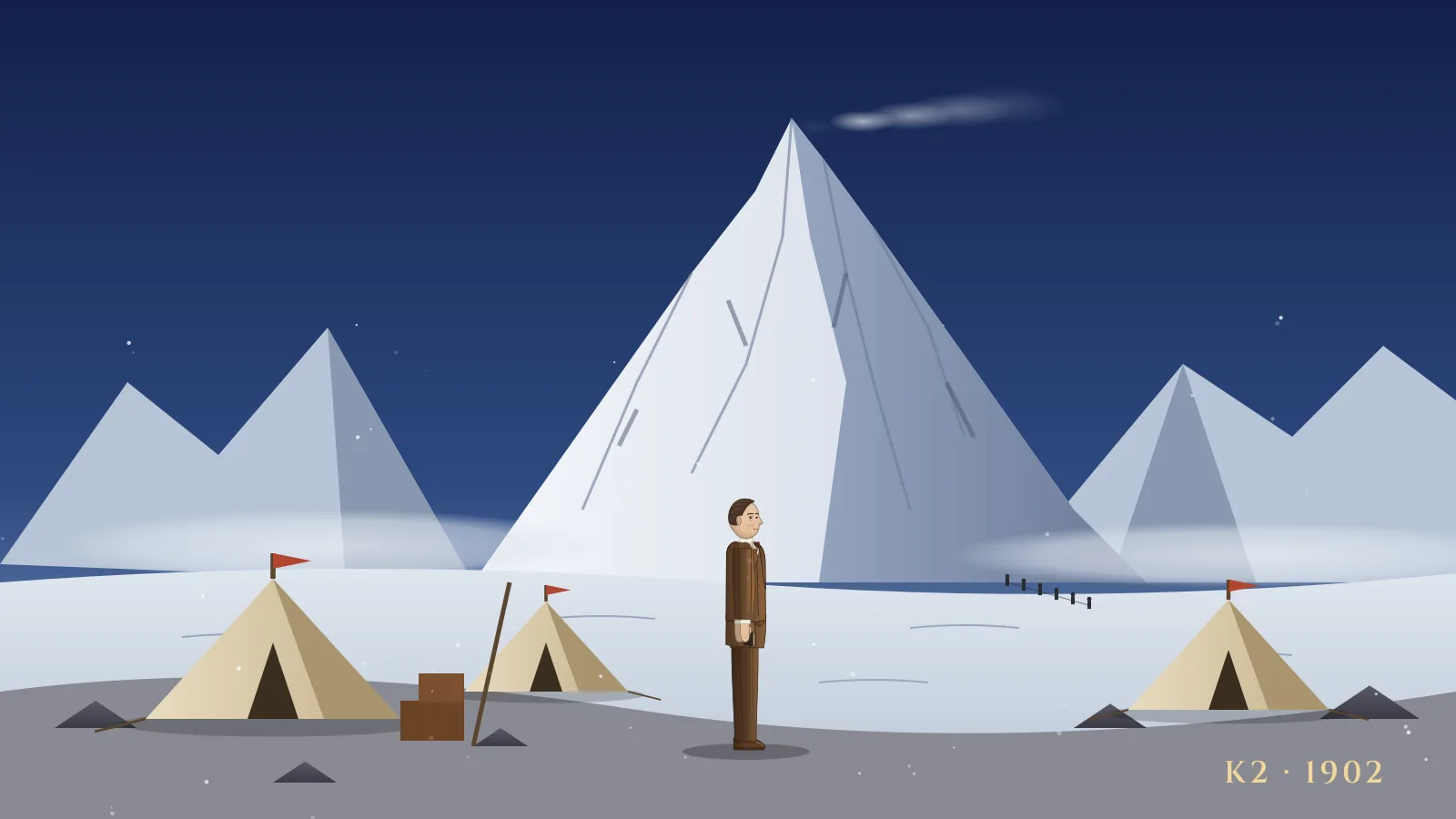
Aleister Crowley was born in Leamington Spa, England, in 1875, into a family made rich by brewing and strict in its faith. He rejected that faith, and spent his inheritance. He joined the Golden Dawn, and in 1902 he was one of the climbers who tried to scale K2, the second-highest mountain on Earth.
In 1910 Reuss admitted him to the order. Crowley later told a story about what followed. In 1912, he said, Reuss came to his London flat and accused him of publishing the order’s highest secret. Crowley answered that he had done it without knowing. The two men became friends, and Reuss put him in charge of the order in Great Britain and Ireland.
The British branch had a grand title of its own, Mysteria Mystica Maxima. Crowley rewrote its rituals, and slowly bent the order toward his Book of the Law.
Chapter IIIwatch from 4:23
The Gnostic Mass
In the summer of 1913, Crowley was in Moscow, managing a touring troupe of women violinists. There, far from London, he wrote a ceremony he called the Gnostic Mass.
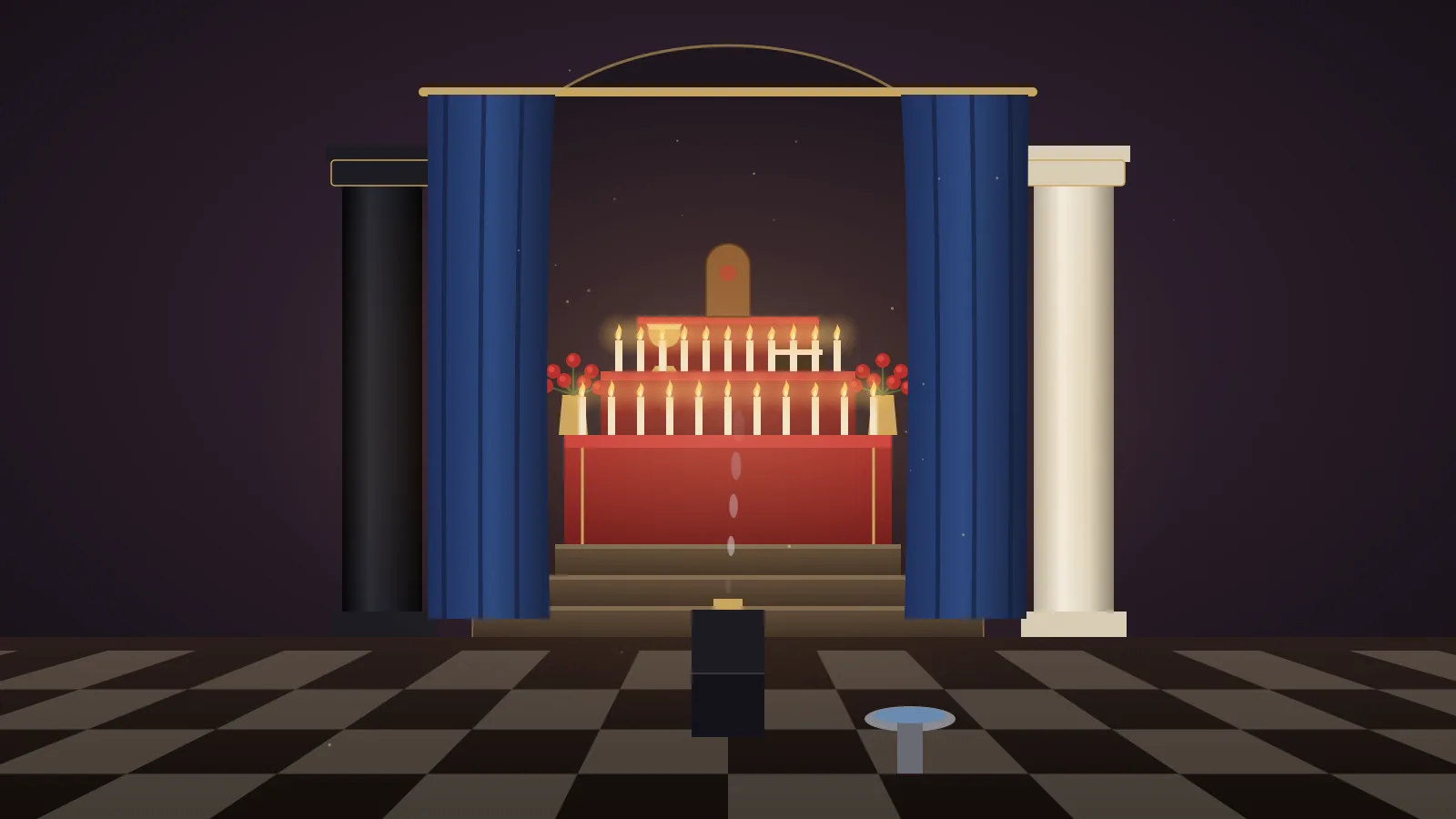
It needs a priestess, a priest, a deacon and two assistants, a veiled altar, candles, roses and a copy of The Book of the Law. Unlike the degree ceremonies, it was meant to be seen. More than a century later, it is still the order’s main public rite.
During the First World War, Reuss settled in Switzerland. In August 1917 he held a congress at Monte Verità, a hilltop colony of vegetarians and artists above Lake Maggiore. There, Crowley’s poems were recited, and his Gnostic Mass was read aloud.
Chapter IVwatch from 5:09
The Abbey of Thelema
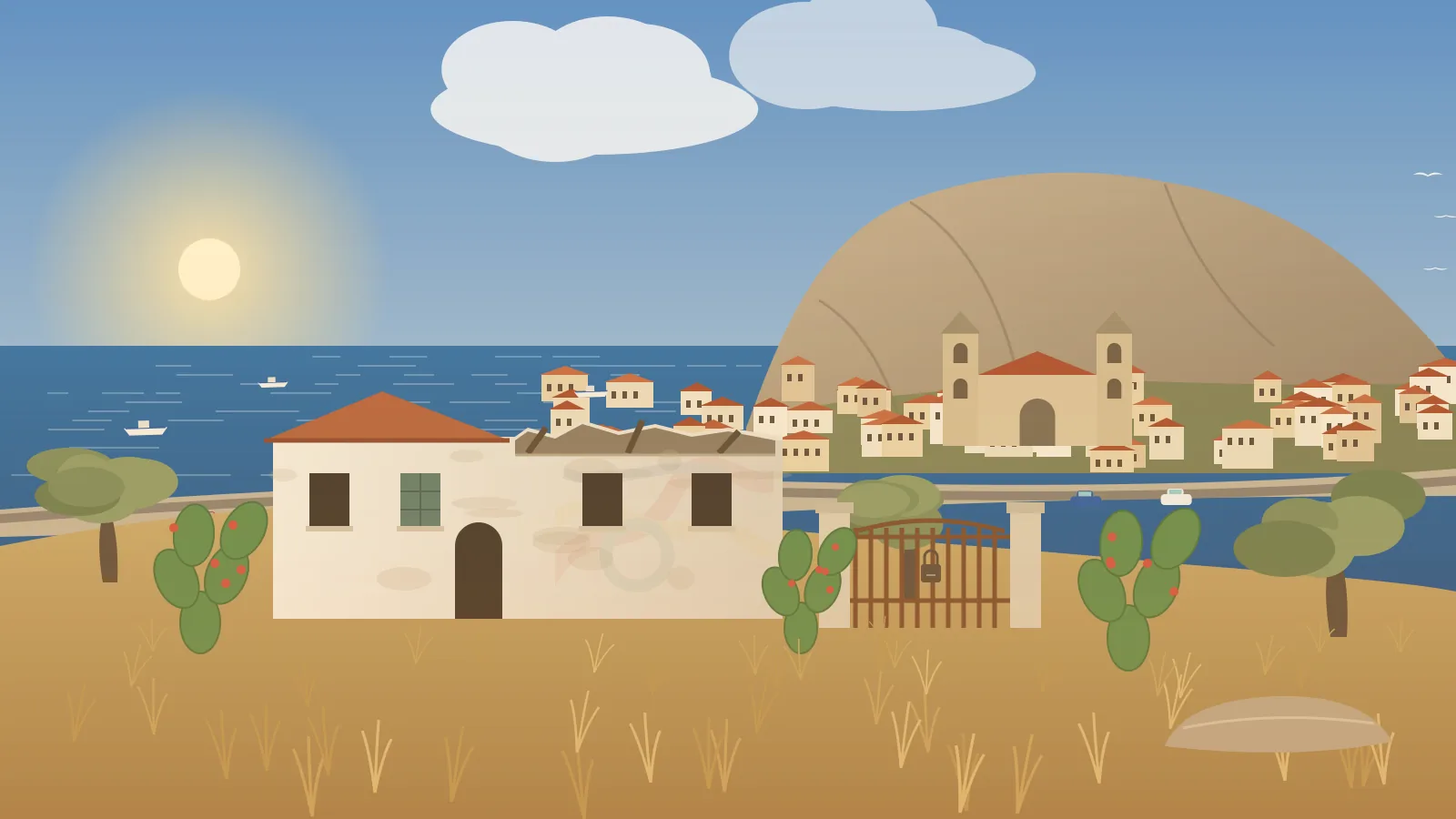
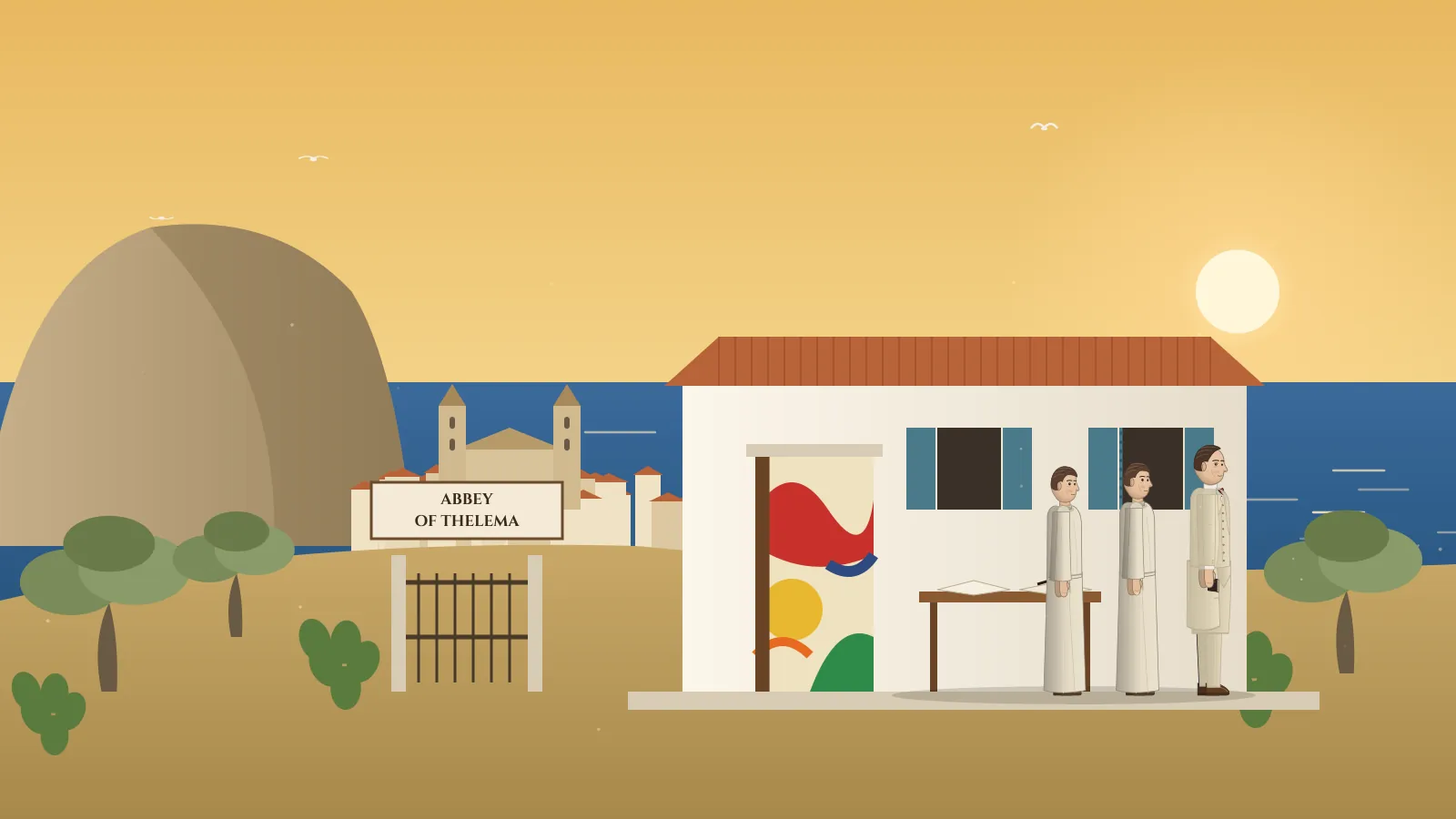
In April 1920, Crowley rented the Villa Santa Barbara, a farmhouse on the hillside above Cefalù, in Sicily. He called it the Abbey of Thelema.
Its handful of residents greeted the sun each day, studied Crowley’s writings, practised yoga and kept diaries. Crowley covered the walls with his own murals.
Early in 1923, a young follower from Oxford, Raoul Loveday, died there, most likely of a fever caught from drinking spring water. His widow told her story to a London newspaper. Another paper, John Bull, called Crowley “the wickedest man in the world”. That April, Mussolini’s government ordered him out of Italy, and the little community on the hillside came to an end.
Another paper called Crowley “the wickedest man in the world”.
Chapter Vwatch from 6:02
The Outer Head
In October 1923, Theodor Reuss died in Germany, weakened by a stroke. He had not named a clear successor.
In 1925, at a meeting of German occultists in Thuringia, part of the membership accepted Crowley as Outer Head of the Order. Many refused his book, and went their own way. The order that Reuss had built from charters now split in two.
From then on, in the branch that followed Crowley, the order’s main purpose was to spread his religion, Thelema, from the Greek word for will. Its central line reads: “Do what thou wilt shall be the whole of the Law.” Thelemites read it not as a licence, but as a call to find and follow one’s true purpose.
Chapter VIwatch from 6:49
Dark Years and a California Lodge
The order never grew large. In Nazi Germany, esoteric groups were banned. In February 1935 Crowley’s German representative, Karl Germer, was arrested in Leipzig. He spent months in a Berlin prison and in a concentration camp near the Dutch border. Freed, he reached the United States for good in 1941.
By then, the order’s liveliest branch was in California. In Hollywood, a group led by the Englishman Wilfred Smith had performed the Gnostic Mass in public since 1933. It became Agape Lodge.
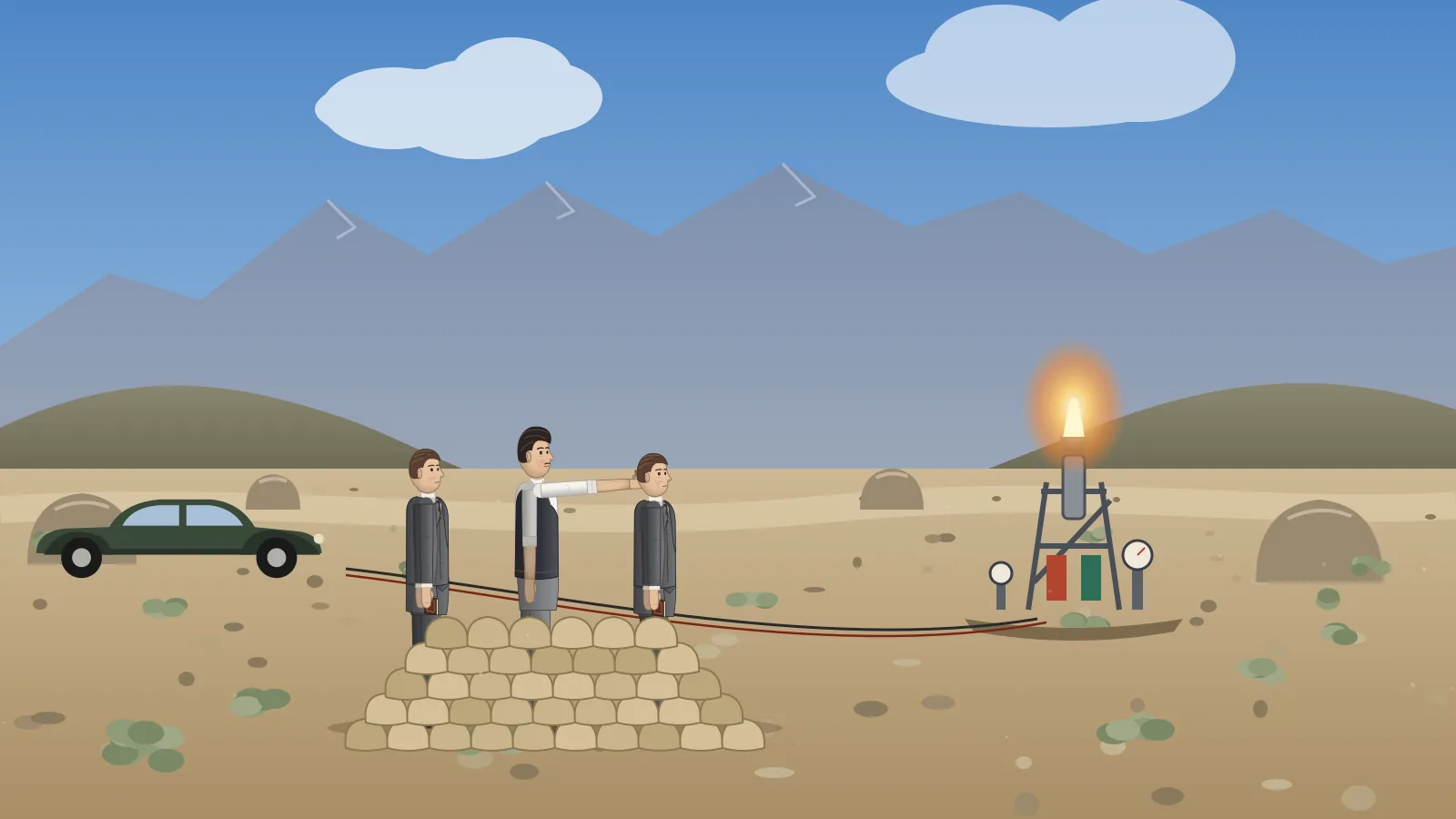
Among its members was Jack Parsons, a young chemist. On 31 October 1936, he and his friends had test-fired a small rocket motor in a dry canyon near Pasadena. Their group grew into the Jet Propulsion Laboratory. In 1942 Parsons became head of the lodge, and moved it into a large rented house in Pasadena.
Members shared the rent. Parsons kept a chemistry lab in the garage, and science-fiction writers argued in the kitchen. By 1949, the lodge had stopped meeting regularly.
Chapter VIIwatch from 8:11
Near Extinction and Revival
Crowley spent his last years in England, short of money and often ill. He died in a boarding house in Hastings on 1 December 1947, aged 72.
Karl Germer succeeded him. He led the order from America, at the end from a small house in the California foothills. He initiated few people, and died in 1962 without naming an heir.
But Grady McMurtry, an American army officer, had studied with Crowley in wartime England, and Crowley had given him written authority to take charge in California, in an emergency. In 1969 McMurtry decided the emergency had come. He gathered the scattered survivors, and soon resumed initiations. In 1977 he founded a lodge in Berkeley.
Rival claimants appeared. In 1985 a federal court ruled in favour of McMurtry’s organisation in a dispute over the order’s name and property. He died that July.
Chapter VIIIwatch from 9:23
Legend and Record
Today the order is small and legally registered, with lodges in many countries. In 2014 its largest branch, in the United States, reported about 1,500 members. Members advance through its degrees and study Crowley’s writings, and the Gnostic Mass is open to visitors.
Legends still cling to it. Its name echoes the Knights Templar, but historians find no link between the two, beyond the symbols its founders chose. It is often called satanic. Crowley loved to shock, but Thelema is a religion with its own gods and texts, not a worship of the Christian devil.
Stories also tie it to rockets and to Scientology. The real episode is smaller: in 1946, Parsons briefly worked on magical rites with L. Ron Hubbard. The order itself had no part in either field.
The records show something smaller than the legend.
The records show something smaller than the legend: an order of a few hundred members at its height and a few dozen in Crowley’s day, which nearly vanished, and came back.
Above Cefalù, the old farmhouse still stands. Its painted walls were whitewashed long ago. Below it, the sea is as blue as it was in 1920.