The story of the film
Strasbourg and the hills near Saverne, in Alsace · July–September 1518
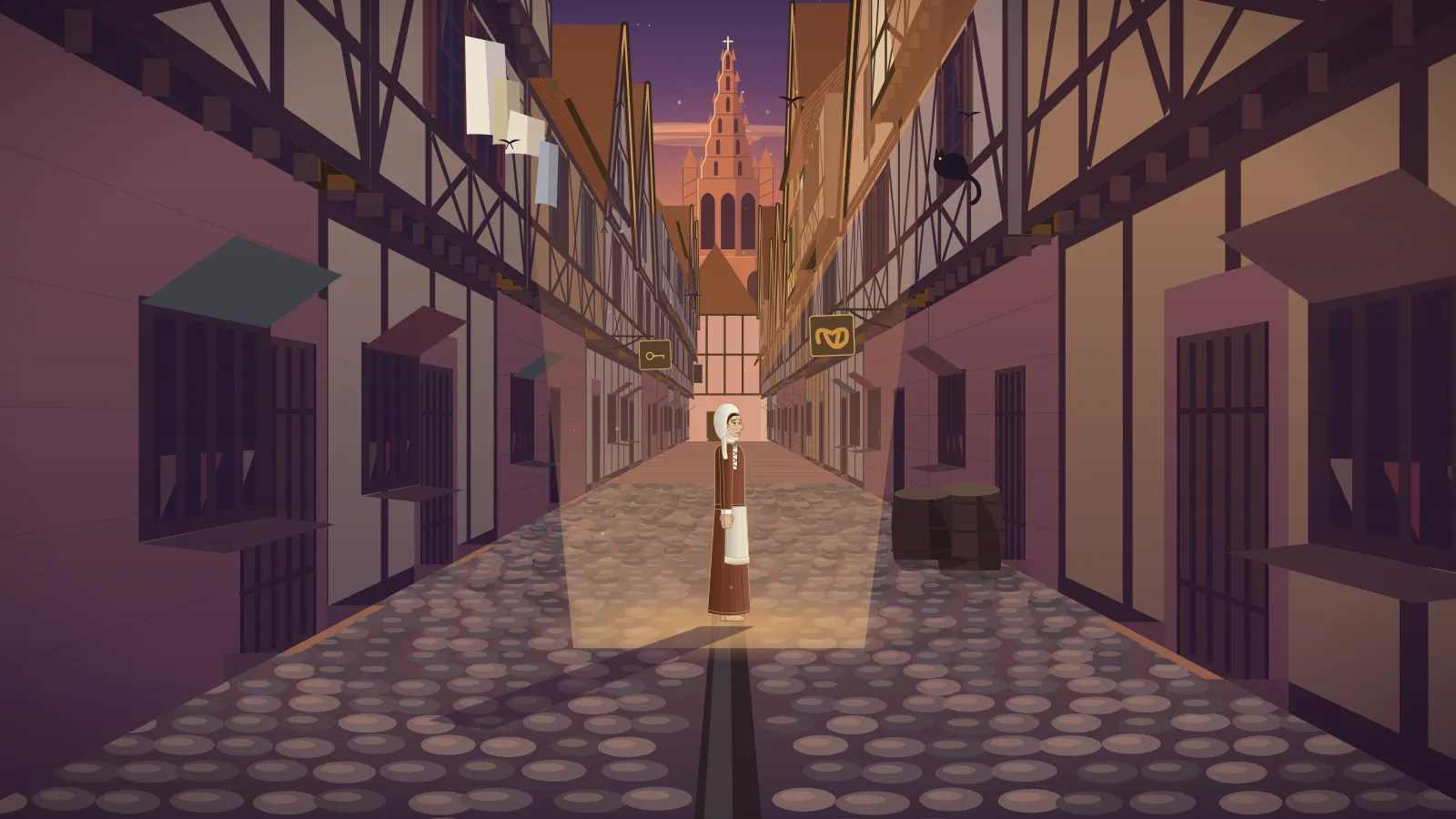
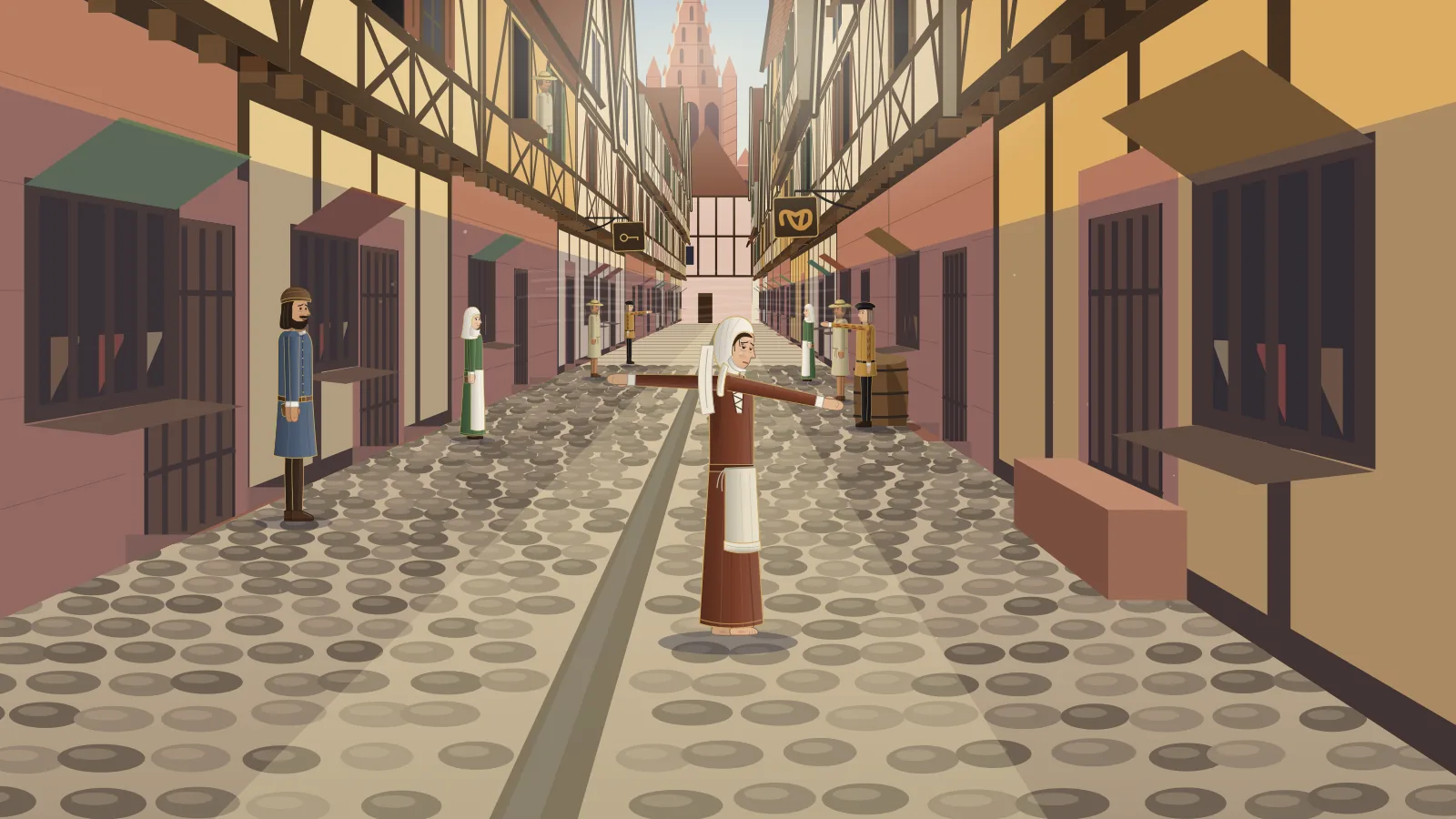
On a hot day in July 1518, in a narrow street in the city of Strasbourg, a woman stepped out of her house and began to dance. There was no music, and there was no festival to explain it. Her husband, the story goes, begged her to stop. She did not stop.
Within weeks many others were dancing with her, and the city’s rulers were paying musicians to keep them going. What follows is the story of that summer, as far as the old records allow it to be told.
Chapter Iwatch from 0:40
A City Under Strain
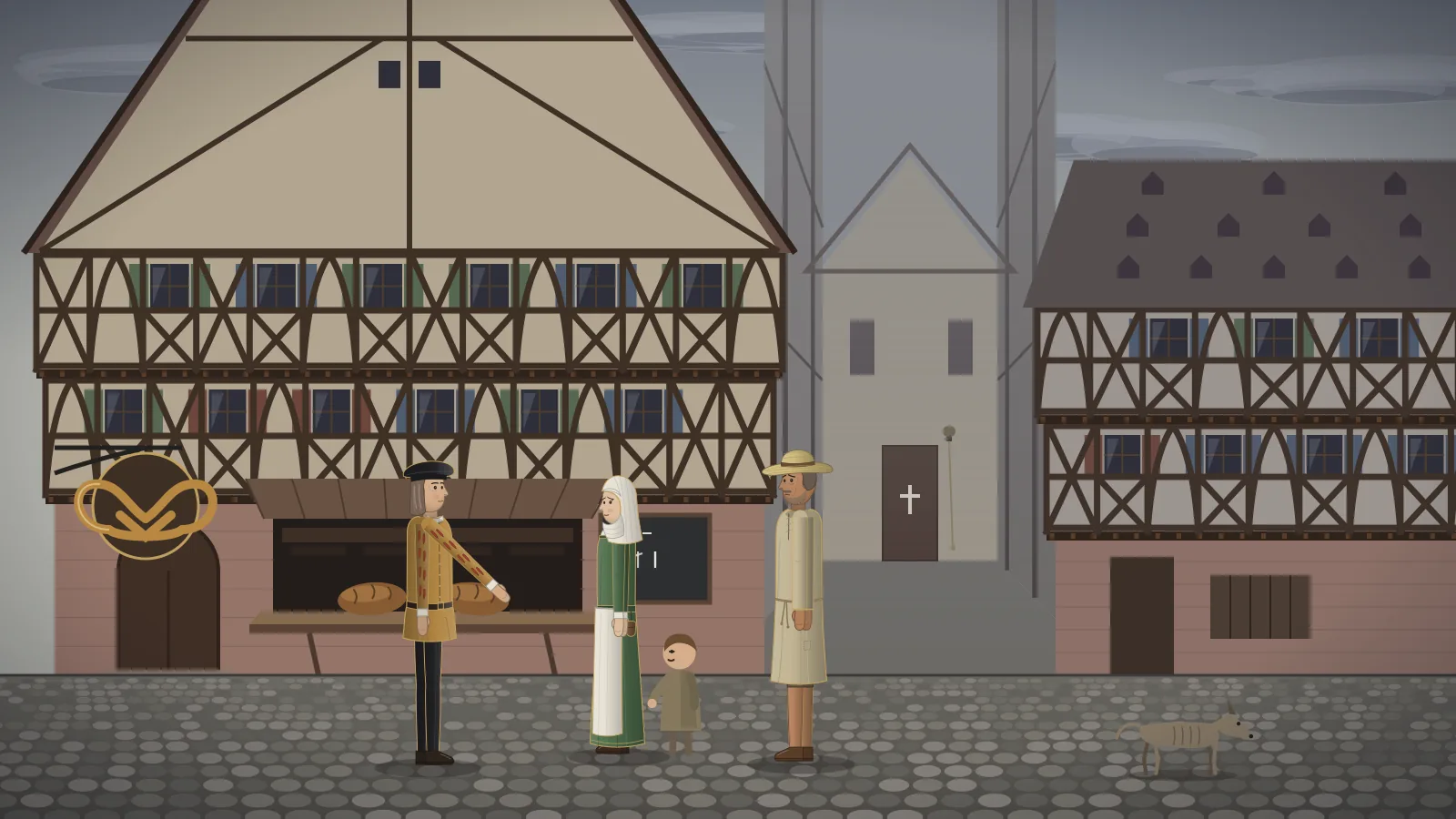
Strasbourg was a free city of the Holy Roman Empire, a rich trading town on the Rhine, crowned by the tall stone spire of its cathedral. It had painted guildhalls, busy fairs, and a name for printing and trade. But behind that prosperity, many of its people were hungry, sick and afraid.
The years before had been cruel. Hail, frost, drought and heavy rain ruined harvest after harvest across Alsace, and the price of grain soared. In 1517 came a terrible famine, and many in the region died of hunger and of the diseases that followed it. Poor families lived on the edge of starvation.
Disease was never far away. Plague returned again and again, and leprosy had never gone away. A new sickness, syphilis, which people called the French disease, had reached the region in the 1490s.
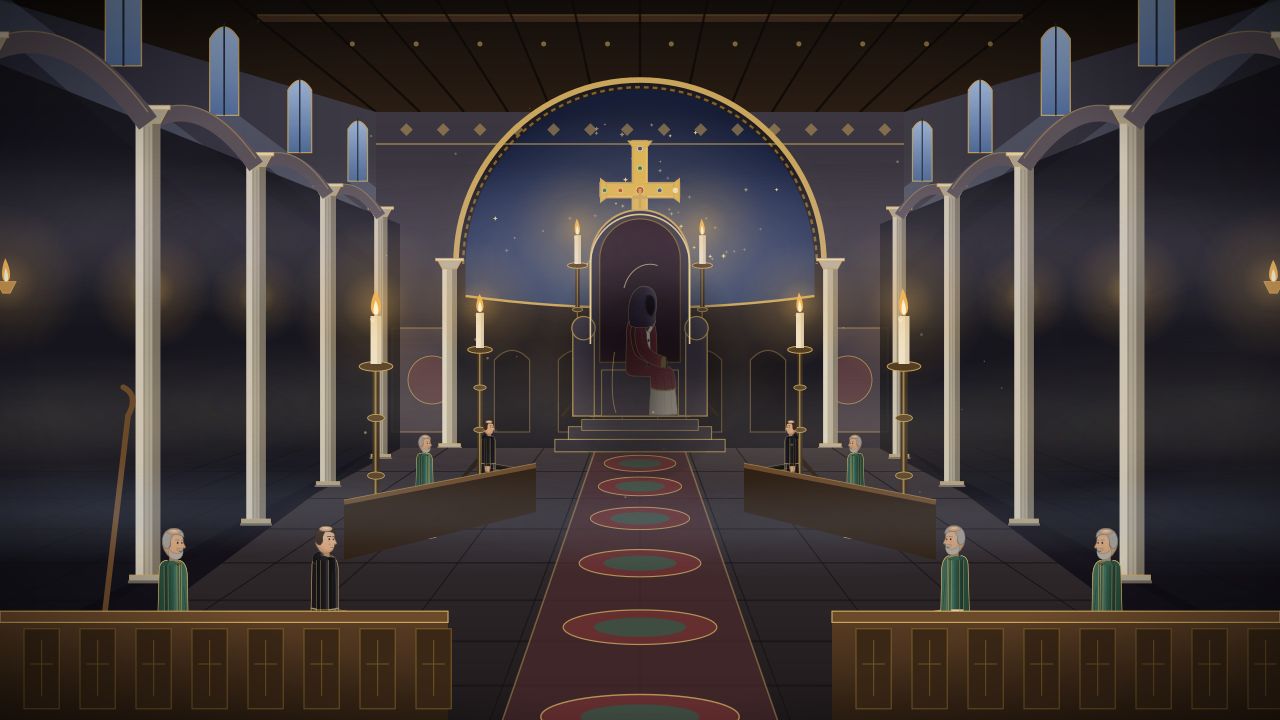
Many people believed that disasters like these were signs of God’s anger. And along the Rhine there was one fear in particular. Saint Vitus was an early Christian martyr, and in this region people believed he could send a curse upon sinners. His curse was a dance that would not end. The same saint, it was believed, could also lift it.
His curse was a dance that would not end.
Chapter IIwatch from 1:51
The First Dancer
So when a woman began to dance alone in the street, around 14 July, her neighbours may have thought they knew exactly what they were seeing. Most of the old accounts, four of the six chronicles that tell the story, call her Frau Troffea. We know almost nothing else about her.
She danced for four days, perhaps six, stopping only when she collapsed into sleep, and then, the chronicles say, she danced again. Crowds gathered in the narrow street to watch. Then, the accounts say, she was lifted into a wagon and taken away, to a shrine of Saint Vitus in the hills near Saverne.
But the dance had already begun to spread. Within a week, according to one count, more than 30 people were dancing. By August there were many more.
This was no celebration. Witnesses described people who cried out, who seemed unable to stop, and whose feet grew swollen and sore. They were frantic and distressed, not joyful.
This was no celebration.
Chapter IIIwatch from 2:48
Let Them Dance
Strasbourg was governed by its council, and the councillors were worried. They turned to the city’s physicians. The doctors ruled out the stars and the supernatural. This, they said, was a natural disease, caused by overheated blood.
In the medicine of the time, overheated blood could drive a person mad, and the usual answer might have been to let blood. Instead, the advice was surprising. The sufferers should be allowed to dance, day and night, until the fever burned itself out of their bodies.
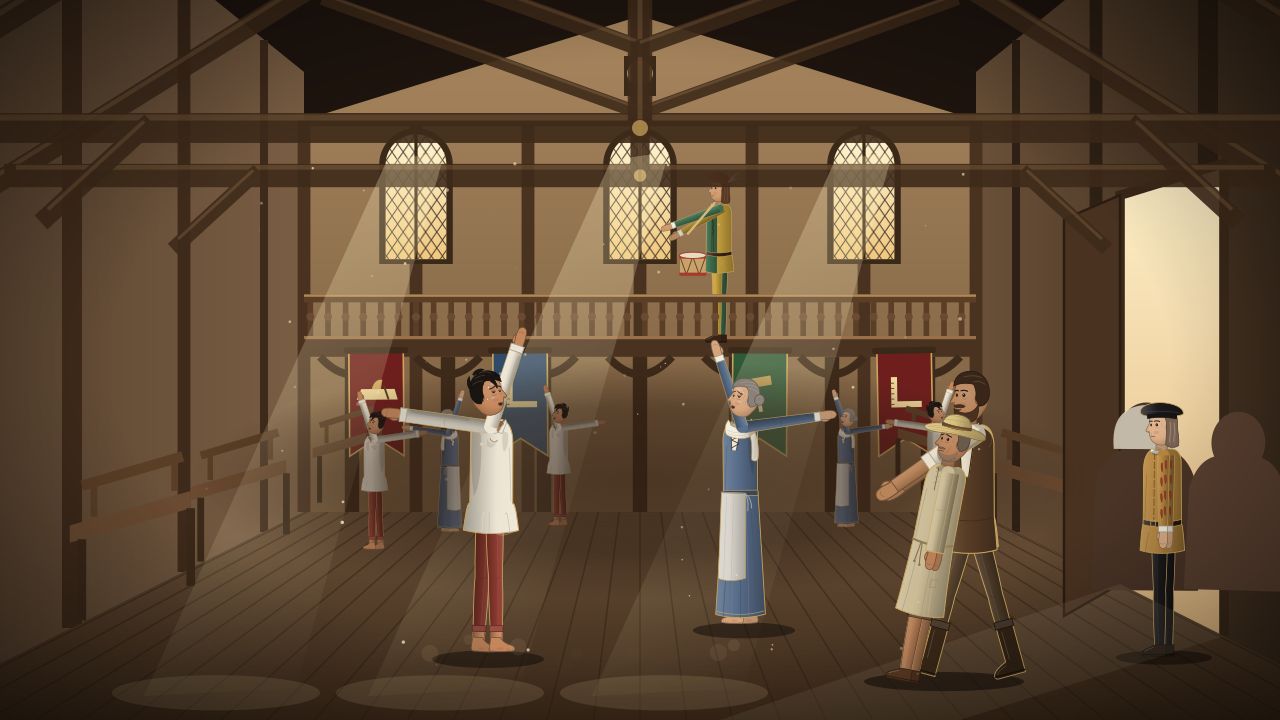
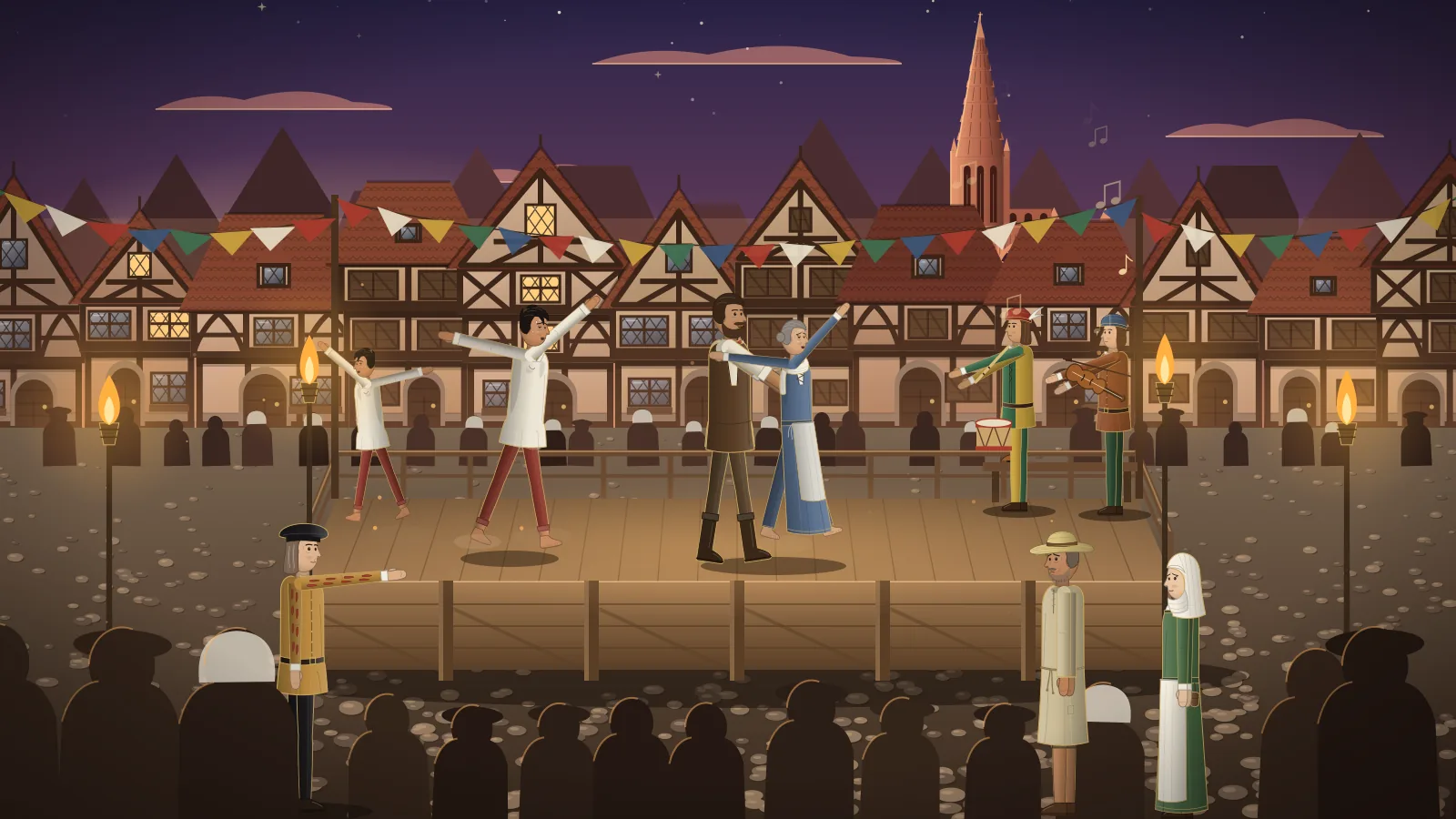
So the council did something that still astonishes historians. It cleared out two guildhalls and gave them over to the dancers. In the grain market the dancers were given space, and opposite the horse market carpenters built a wooden stage. Musicians were paid to play drums, pipes, horns and fiddles. Strong, healthy men were hired to hold the dancers up and keep them turning.
It went badly wrong. The music and the crowds seem only to have drawn more people into the dance. Through the heat of August the dancers went on, in the halls, in the squares, and in the narrow streets.
It went badly wrong.
Chapter IVwatch from 4:13
What the Chronicles Say
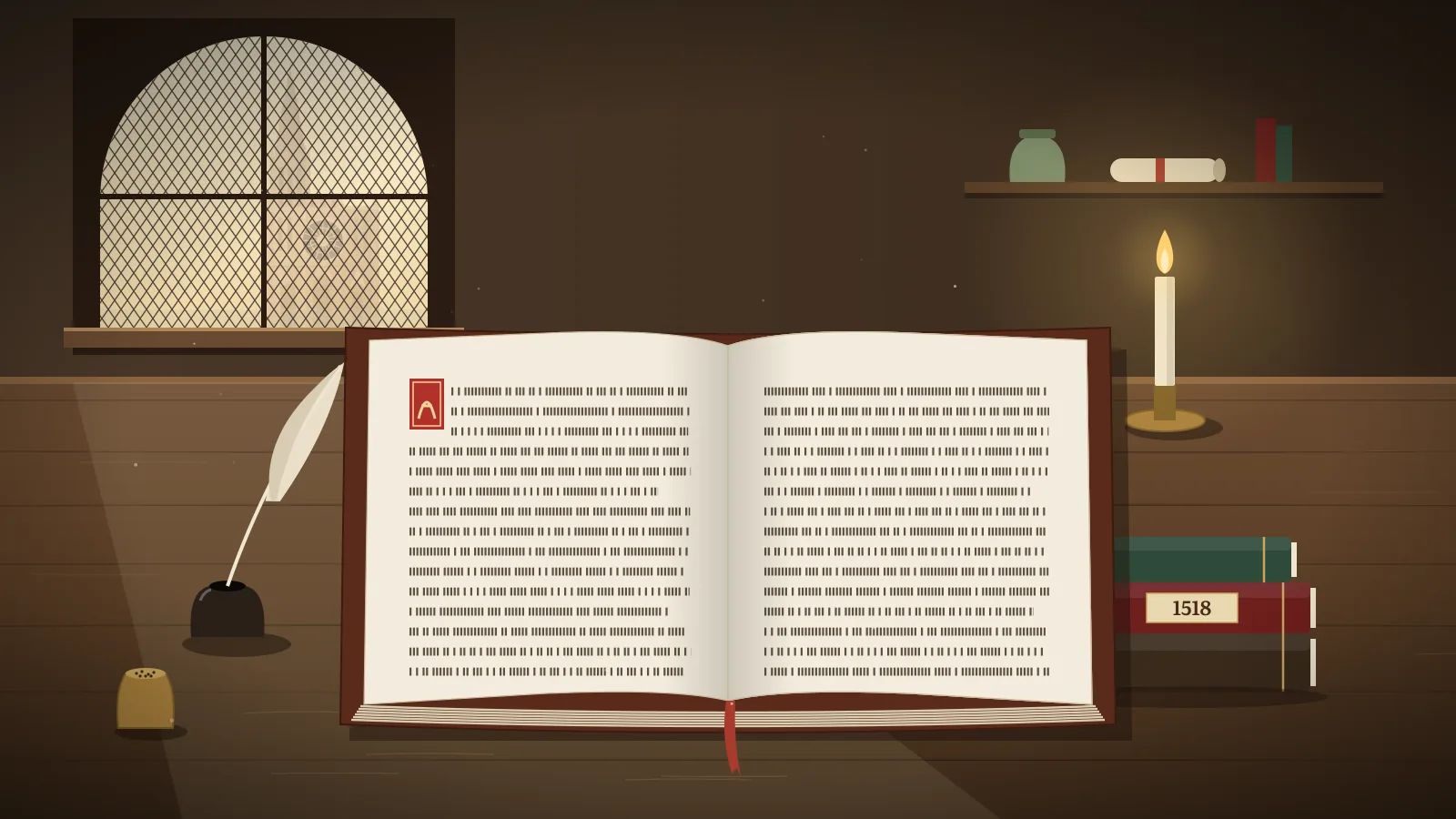
How do we know any of this? The evidence comes from notes in the council’s own records, from physicians and preachers, and from chronicles, some of them written decades later. Together they confirm the main lines of the story: the start in July, the council’s measures, and the journey to Saverne. They agree far less on numbers.
One of the chronicles, by the architect Daniel Specklin, written later in the century, describes the halls, the stage and the hired musicians. A family chronicle, kept by the Imlin family, claimed that about 400 people were seized by the dance within a month. Modern estimates range from about 50 to 400, and the higher figures come from the later accounts.
Some later chronicles also say that many dancers died. One claims that at the worst, 15 people a day were dying. But the surviving city records from that summer do not mention deaths at all, and many historians doubt those numbers.
Some dancers may well have collapsed, and some may have died of exhaustion in the summer heat, weakened as many already were by hunger and illness. Some historians accept that a few died; others doubt that anyone did. How many, no one can say.
How many, no one can say.
Chapter Vwatch from 5:18
Prayer and Red Shoes
Then the council changed its mind. Perhaps this was not a natural sickness after all. Perhaps it was a punishment from heaven. The stage came down. Public dancing was forbidden in the city, and so was the playing of music in public.
The city’s chief secretary at the time, its Stadtschreiber, was Sebastian Brant, a lawyer and humanist famous across Europe as the author of a satire called The Ship of Fools. In the city’s records from his time in office there is one exception to the ban. Respectable people could still dance at weddings, and at a new priest’s first Mass, but only to stringed instruments, never to drums or tambourines.
Instead of dancing, the city turned to prayer and penance. Masses were said, and the people tried to make their peace with heaven. And the dancers who could not stop were loaded into wagons and taken, as Frau Troffea had been before them, to Saint Vitus.
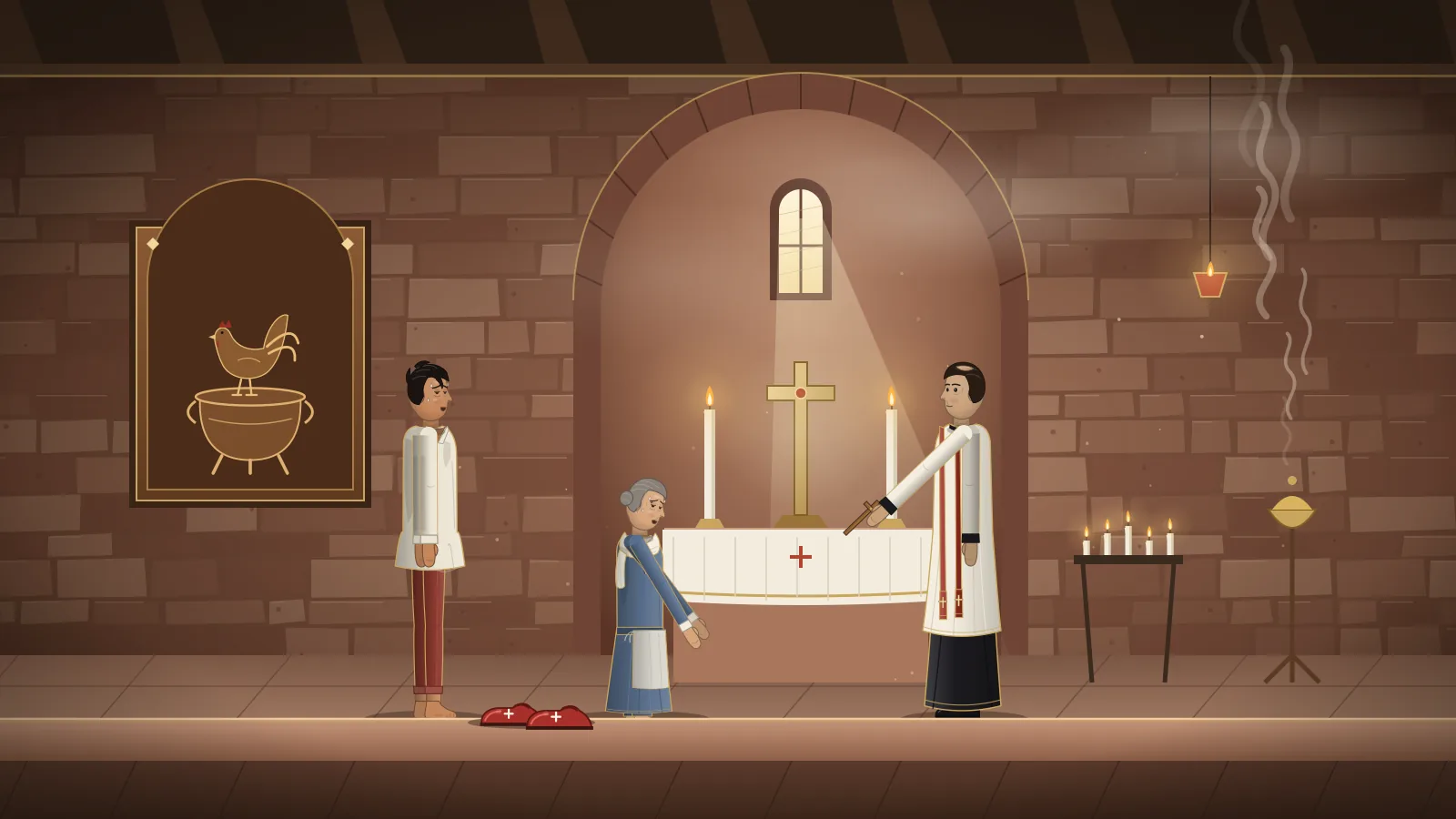
Near the town of Saverne, which the Germans called Zabern, a chapel of Saint Vitus stood among the wooded hills and sandstone rocks. There, according to the accounts, priests led the dancers to the altar. They put small crosses in their hands, and red shoes on their feet. Crosses were painted on the shoes in holy oil, and the dancers were sprinkled with holy water, among clouds of incense and prayers in Latin.
Many of the dancers, it seems, grew calm. By early September, about two months after it had begun, the dancing in Strasbourg had faded away.
They put small crosses in their hands, and red shoes on their feet.
Chapter VIwatch from 7:00
Why Did They Dance?
Strasbourg was not the first city to dance. In June 1374 crowds began to dance in the streets of Aachen, and the mania spread along the Rhine, to Cologne, Metz, Utrecht and many other towns. People called it Saint John’s dance, or Saint Vitus’s dance. The outbreak of 1518, with its council records and chronicles, is simply the best documented of them.
About eight years after the outbreak, the wandering Swiss physician Paracelsus came to Strasbourg and heard the story. He wrote that Frau Troffea had started dancing only to spite her husband, and that other women copied her. It is a scornful, second-hand tale, and historians treat it with caution.
Centuries later, some writers blamed ergot, a fungus that grows on damp rye and contains chemicals related to LSD. But many historians reject the idea. Ergot poisoning starves the hands and feet of blood and brings painful fits, and its victims could hardly have danced for days on end. Nor does it explain why poisoned bread would make people dance only in the lands where they feared the curse of Saint Vitus.
The historian John Waller, who wrote a book about the outbreak, argues for something else: a mass psychogenic illness. People under extreme strain, hungry, sick and frightened, can fall into a kind of trance that spreads from one person to the next, above all when they share the same fear. It is the explanation many historians now favour, though it cannot be proven.
Such outbreaks still happen. In 1962, in Tanganyika, an epidemic of uncontrollable laughter began at a girls’ school and spread to nearby villages. In Strasbourg, the shared fear had a name and a face: the saint whose curse everyone knew.
If Waller is right, the dancers of Strasbourg were neither wicked nor foolish. They were suffering people, who believed a saint had cursed them, and whose bodies acted out that fear.
Five hundred years later, we still do not know Frau Troffea’s whole story. We know only that one summer, a woman stepped into a narrow street, and began to dance.
We know only that one summer, a woman stepped into a narrow street, and began to dance.