The story of the film
Bordeaux, Lyon, Strasbourg and Paris, with Saint-Domingue, Wilhelmsbad and Tsarskoye Selo · 1760s–1931, and today
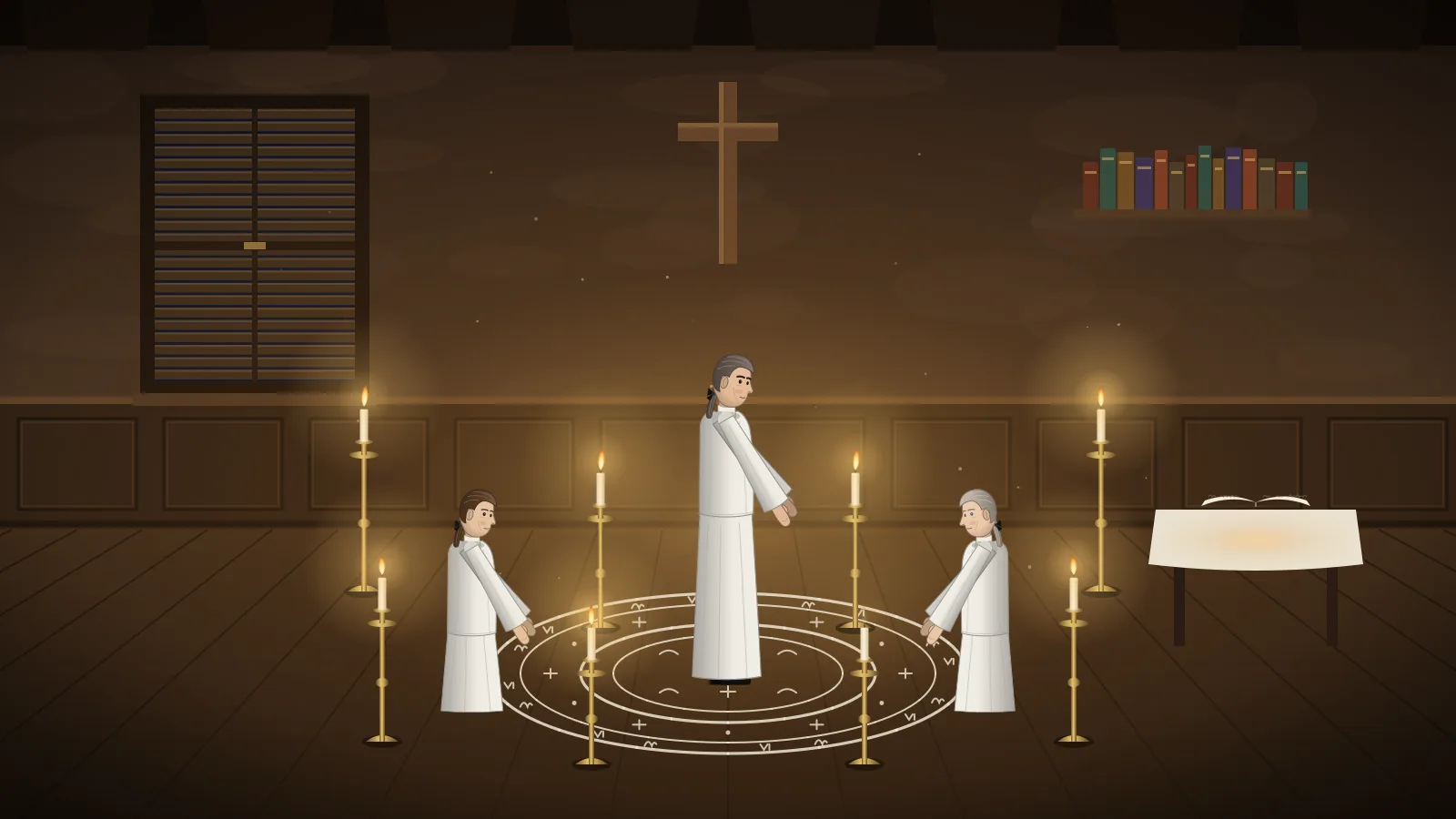
Bordeaux, in the 1760s. On a night near the equinox, when day and night are equal, a few men climbed to an upper room and closed the shutters behind them. On the floor they drew circles and signs in chalk. They set candles at fixed points, and waited in prayer through the hours after midnight. They hoped for a sign, a gleam of light or a sound, to show that their prayers had been heard. They called these signs “passes”. From rooms like this one, in Bordeaux, Lyon and Paris, grew Martinism, a current of Christian mysticism that still exists today. Its name recalls two men: a mysterious teacher, Martinez de Pasqually, and his most famous pupil, Louis-Claude de Saint-Martin.
Chapter Iwatch from 1:09
The Master of Bordeaux
Almost nothing about Martinez is certain. He was born around 1727, possibly in Grenoble, possibly of a Spanish or Portuguese family. He first appears in French Masonic records in the 1750s, carrying a patent that he said had come from his father.
By the early 1760s he was in Bordeaux, a rich port of wine merchants, with ships leaving for the islands of the Caribbean. There he led an order with a long name: the Knight-Masons Elect Priests of the Universe. Its members were called the Élus Coëns, from the Hebrew word for priest.
Martinez taught a dramatic story of the cosmos. Before time began, he said, spiritual beings rebelled against God. The first man, created to guard them, fell too, and lost his glory. Now every human soul must work for its “reintegration”, its return to its source, and help the whole of creation to return with it.
Every human soul must work for its return to its source.
His followers did this through theurgy Ritual practice meant to bring the practitioner into contact with divine powers, as in late Neoplatonism and later esoteric movements. Glossary: ceremonies at the equinoxes, with drawn circles, candles and long invocations, seeking visible or audible signs from angelic beings. Martinez set down his teaching in a Treatise on the Reintegration of Beings. He never finished it, and it was not printed for more than a century.
He had a family in Bordeaux. In June 1768 his eldest son was baptised in the old abbey church of Sainte-Croix.
Chapter IIwatch from 2:50
The Young Officer
That same year, a young officer of the Foix regiment, stationed in Bordeaux, was received into the order. His name was Louis-Claude de Saint-Martin.
He had been born in 1743 at Amboise, on the river Loire, into a family of the minor nobility. He had tried the law, disliked it, and chosen the army instead. He was quiet, gentle and bookish. In 1771 he left the army, and became Martinez’s secretary.
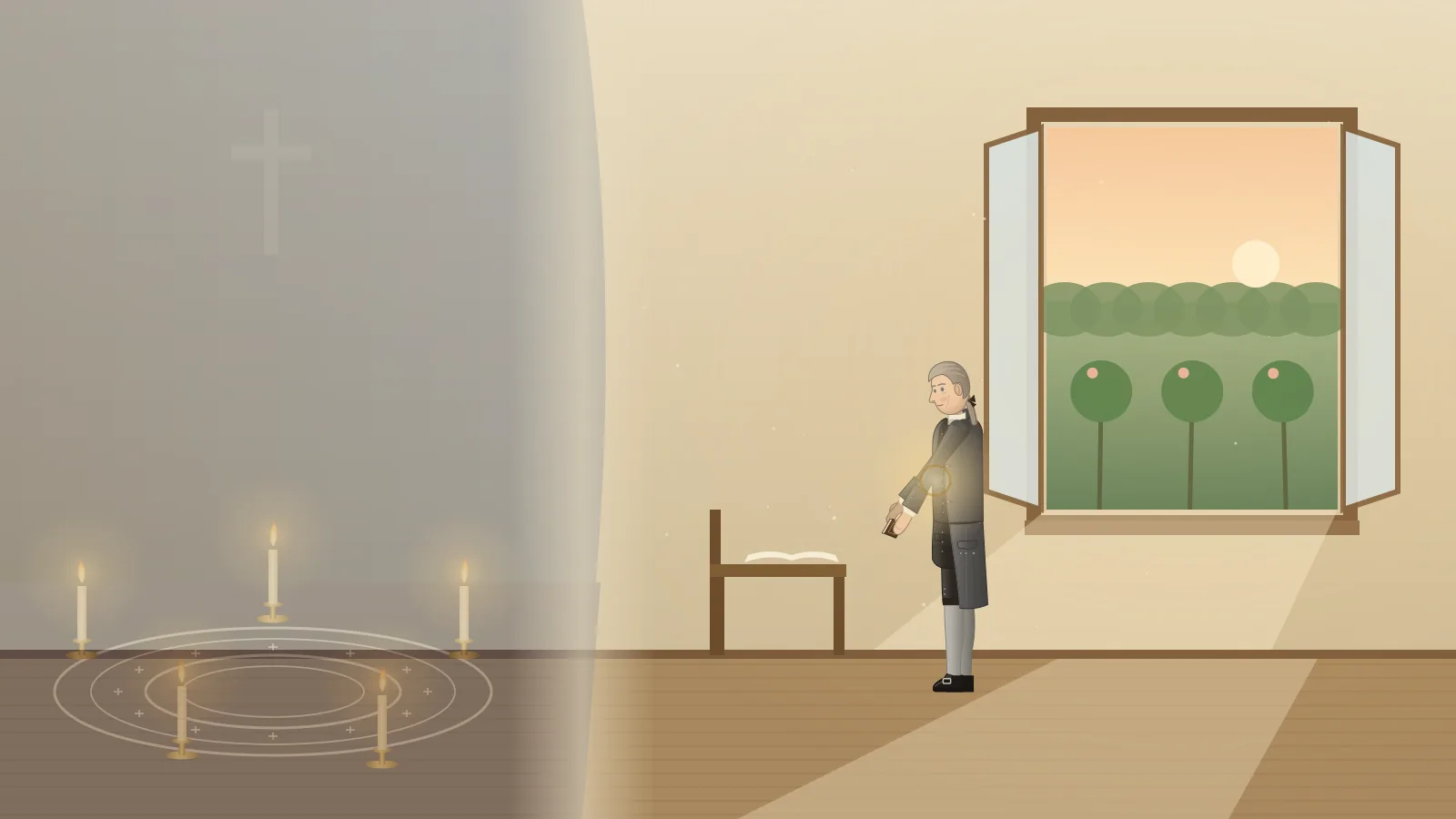
He copied out the master’s letters and lessons, and he admired him deeply. But the ceremonies troubled him. The story goes that he once asked whether all this was really needed to reach God. Slowly he came to believe that the true path lay inward, through prayer, humility and a purified heart.
Chapter IIIwatch from 3:50
A Voyage Without Return
On 5 May 1772 Martinez sailed from Bordeaux for Saint-Domingue, today’s Haiti, to settle a family inheritance. He never came back. He died at Port-au-Prince in September 1774, possibly of a tropical fever.
Without him, his order slowly faded. In 1781 its last leader ordered the remaining temples closed, though small circles kept the rites alive into the next century.
Chapter IVwatch from 4:20
Lyon and the Unknown Philosopher
In Lyon, the city of silk, another pupil carried the teaching on. Jean-Baptiste Willermoz was a silk merchant and a tireless Freemason, who had been received into the order in 1767.
Saint-Martin spent time in Lyon too. In 1775 he published his first book, Of Errors and Truth. It carried no author’s name, only a pen name: the Unknown Philosopher. It argued that the human being is a fallen spirit, and that truth must be sought within.
Willermoz took a different road. He wove Martinez’s doctrine, in veiled form, into the highest degrees of a reformed Masonic system, the Rectified Scottish Rite. In 1782, at the great Masonic convent of Wilhelmsbad, near Hanau in Germany, his reforms were adopted. Freemasons still work that rite today.
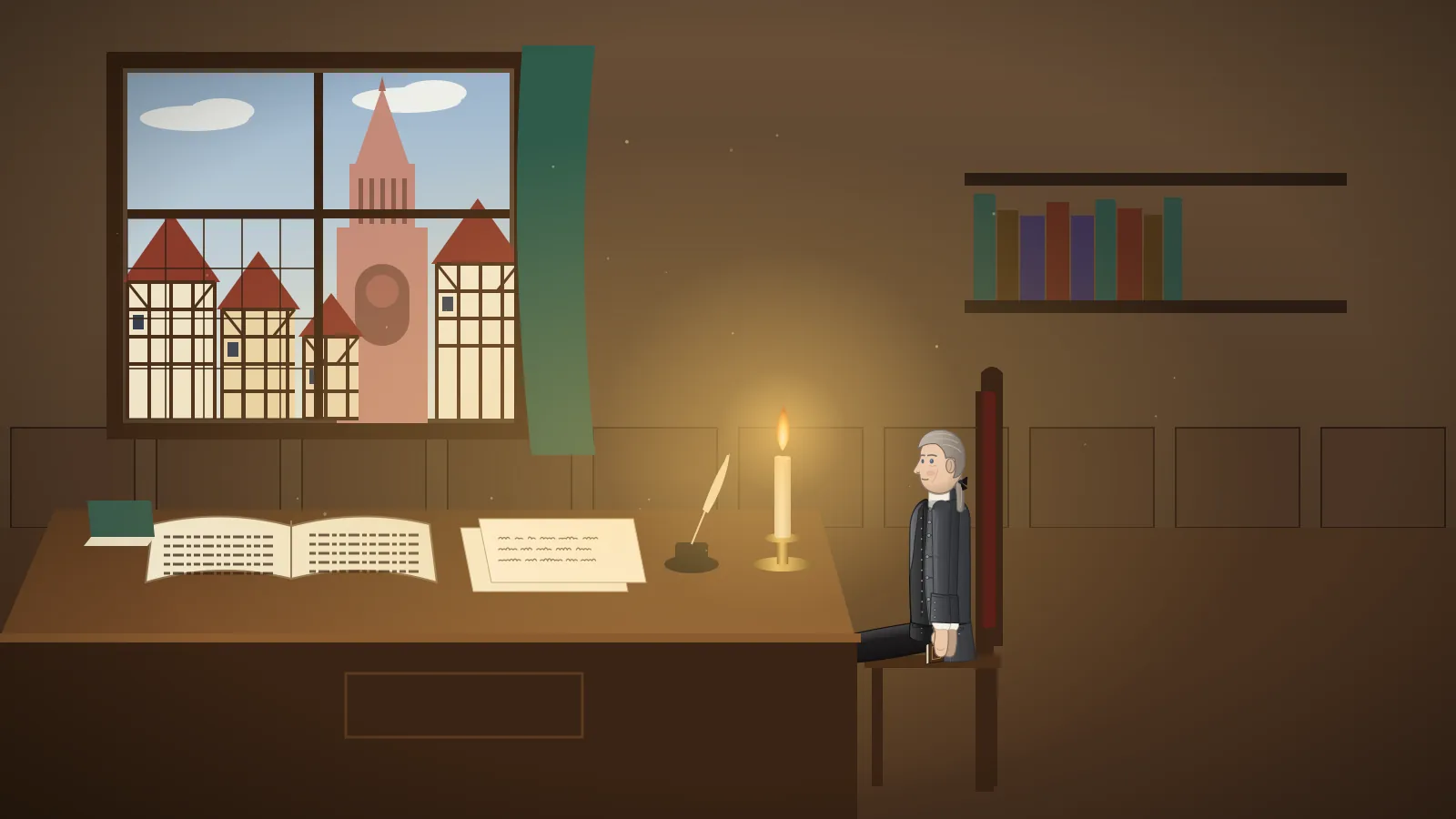
Saint-Martin, meanwhile, travelled: to England, to Italy, and to Strasbourg, where, in his forties, he set himself to learn German. He wanted to read the German mystic Jakob Böhme, a shoemaker of Görlitz, in his own words. Later he translated some of Böhme’s works into French.
He published The Man of Desire in 1790, and The New Man two years later. The man of desire was the soul that longs for God.
Chapter Vwatch from 5:51
Through the Revolution
Then came the French Revolution. Saint-Martin, a nobleman by birth, did not emigrate. He stayed in France, and lived through the Terror quietly.
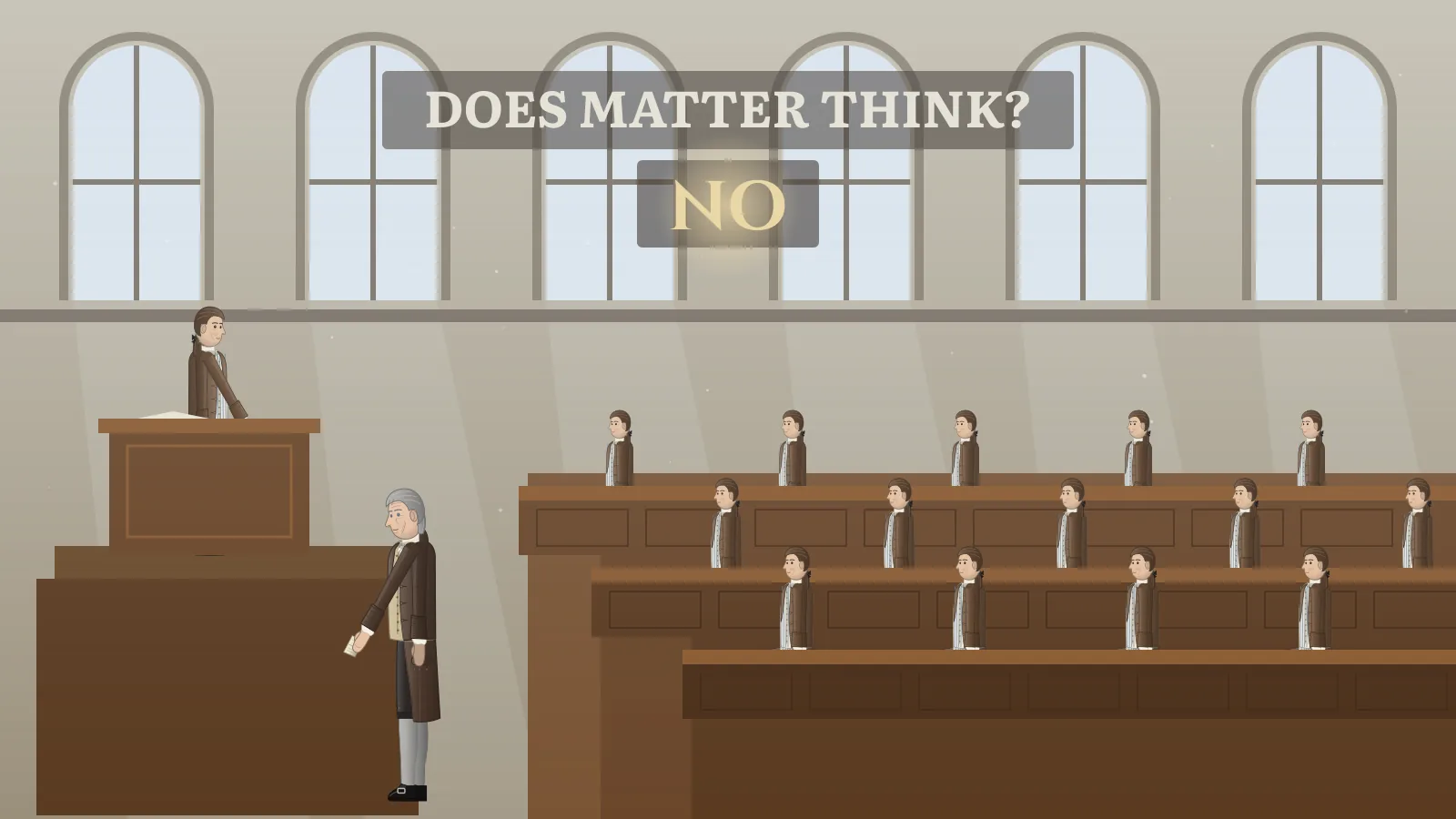
In 1795, at more than fifty, he enrolled as a student in the new École normale in Paris. In a public debate he challenged the philosopher Garat, insisting that matter does not think.
Abroad, writers looked for someone to blame for the Revolution. The Abbé Barruel claimed that mystical sects, Martinists among them, had plotted it. Historians reject the idea. The Martinists were few, mostly devout, and often royalist, and several of them suffered in the Revolution.
Saint-Martin died on 13 October 1803 at Aulnay, near Paris, in the house of a friend. He had founded no order. He left his books, and readers across Europe treasured them.
Chapter VIwatch from 6:57
Papus and the Martinist Order
Eighty years later, Paris was alive with occultism. Tarot, magic, Kabbalah and séances were argued over in cafés, bookshops and little journals.
At its centre was a young medical student, Gérard Encausse. Born in A Coruña, Spain, in 1865, he grew up in Paris, and read old books of magic at the national library. He wrote as Papus, a name he found in an old text attributed to Apollonius of Tyana, where it belonged to the spirit of medicine. He went on to write popular books on magic, Kabbalah and the tarot. In 1888 he launched a journal, L’Initiation, and with the publisher Lucien Chamuel opened the Bookshop of the Marvellous.
The story goes that over dinner, Papus and the writer Augustin Chaboseau discovered that each had received a personal initiation said to descend from Saint-Martin. Papus had his from the writer Henri Delaage, Chaboseau from his own aunt. They exchanged them, and built a new society: the Martinist Order, with a Supreme Council from 1891.
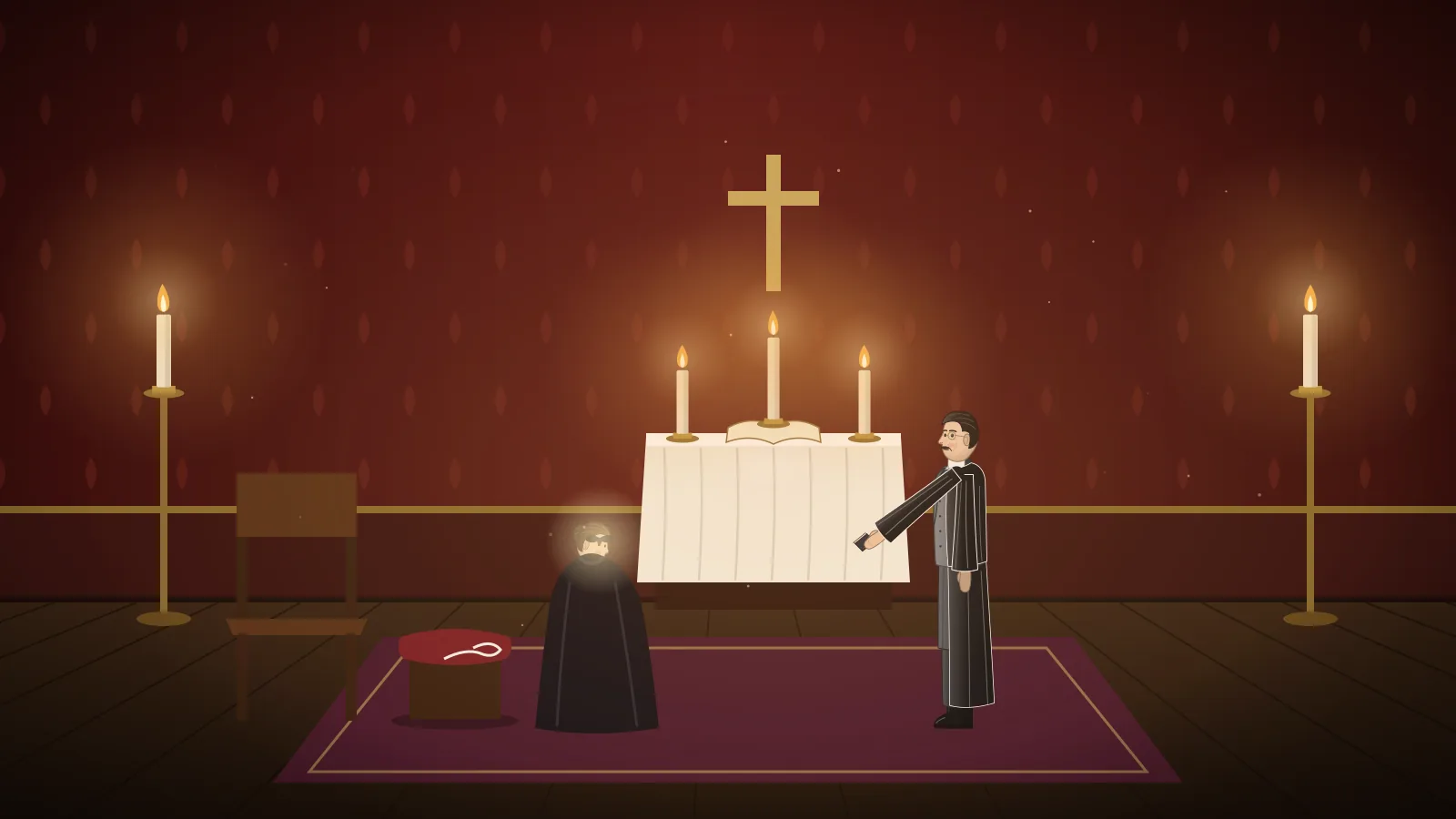
It admitted women as well as men, and stood apart from Freemasonry. A candidate received a mask, a cloak and a cord: signs of humility, of silence about oneself, and of the chain of earlier initiates.
There were four degrees, from Associate to Unknown Superior Initiator. An Unknown Superior could initiate others personally, so small groups could spring up anywhere. The order spread quickly, across Europe, to Russia, and to the Americas.
Chapter VIIwatch from 8:53
Séances and Rumours
Papus visited the court of Tsar Nicholas II, including in 1905, and became known there as a spiritual adviser. Later accounts claimed that he called up the spirit of the tsar’s dead father. That séance story is second-hand, and cannot be confirmed.
When the First World War came, Papus served as an army doctor. He fell ill with tuberculosis, and died in Paris in October 1916, aged 51.
Without him, his order split into rival branches. In 1931 Chaboseau and old friends revived one of them, as the Ordre Martiniste Traditionnel.
In wartime France, a rumour spread of a secret “Synarchy”, linked to Martinist circles and said to control the Vichy government. Historians such as Olivier Dard have shown that it was a conspiracy myth, without solid evidence.
Chapter VIIIwatch from 9:51
The Temple of the Heart
Legend speaks of magicians, plots, and an unbroken chain of hidden masters, passing from Saint-Martin to Papus. Historians find the links in that chain thin, and hard to document. The records show something quieter: a handful of earnest seekers, a few books, and rites performed by candlelight.
The records show something quieter: a handful of earnest seekers, a few books, and rites performed by candlelight.
Several Martinist orders still exist, in France, elsewhere in Europe, the Americas and Africa. They are small and discreet, and they usually describe themselves as schools of Christian mysticism. Their members meet to study Saint-Martin, to meditate and to pray, and they keep the mask and cloak as symbols of humility. Historians of Western esotericism see Martinism as one of the more lasting threads of eighteenth-century illuminism, a current that found its way both into Freemasonry and into the occult revival of the late nineteenth century.
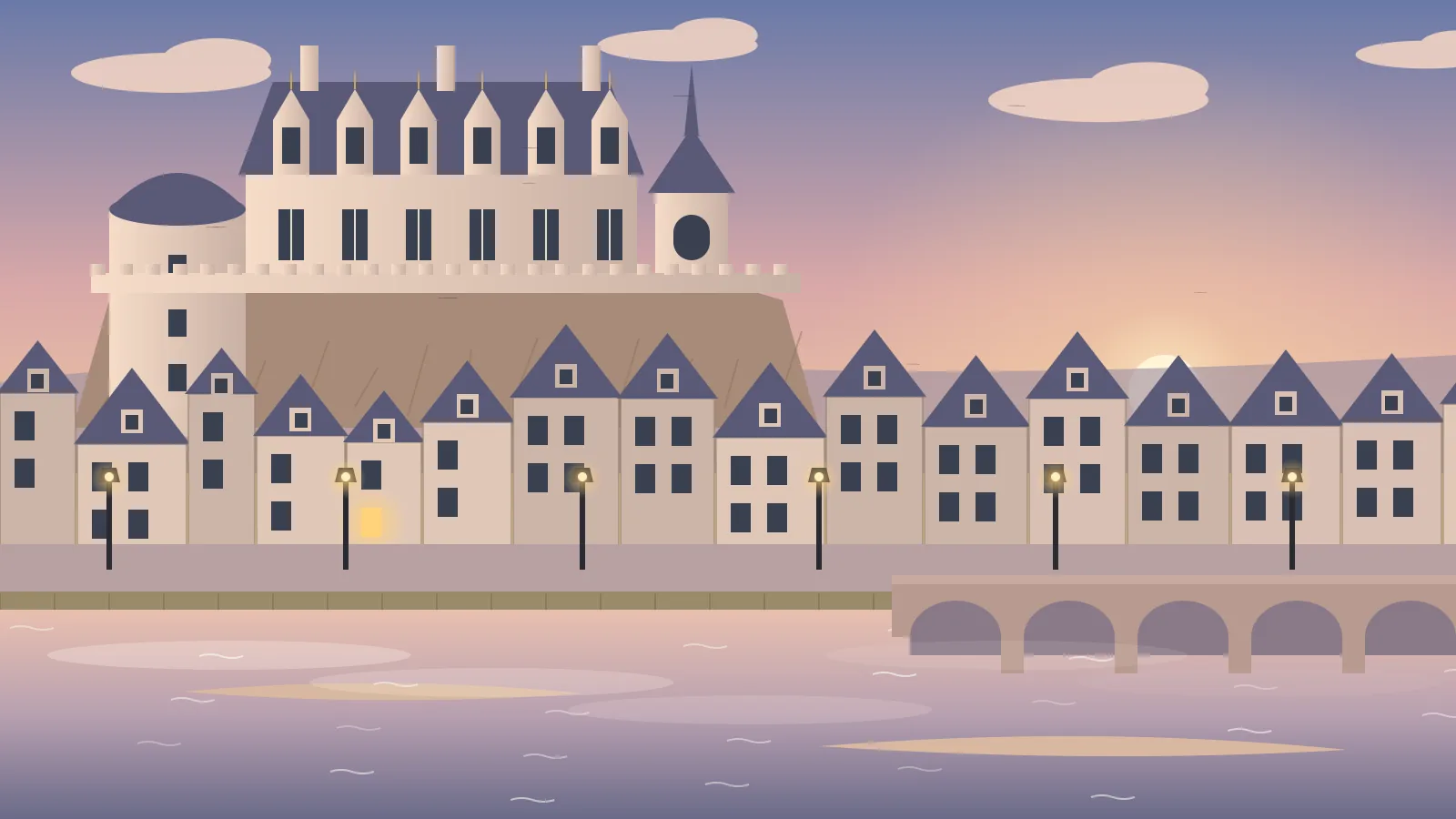
In Amboise, the Loire still flows past the town where the Unknown Philosopher was born. He had set aside the chalk circles and the candles. For him, the only temple that mattered was the human heart.