The story of the film
Seville, Toledo and Lisbon, then Amsterdam and Mexico City, and at last Belmonte, Porto and New Mexico · 1391–1996
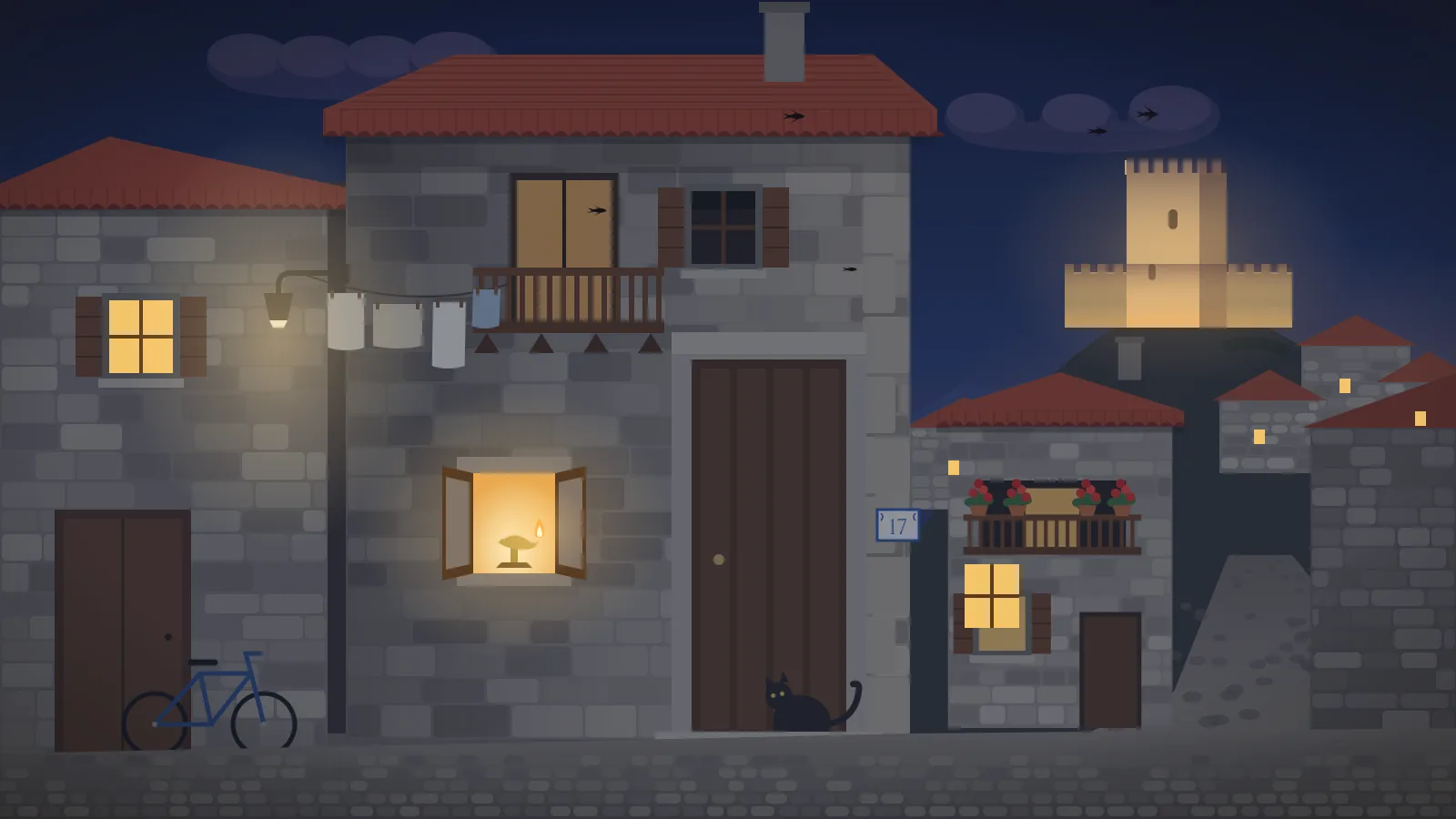
On a Friday evening, in the mountain town of Belmonte, in central Portugal, a woman scrubbed her house, laid a clean cloth on the table, and changed into fresh clothes. Then she lit a small lamp and set it inside a clay jar, so that no one passing in the street would see the flame. Her neighbours knew her family as good Catholics, and had known them that way for more than four hundred years. She was keeping the Jewish Sabbath, in secret.
No record gives her name. She stands for the women of many Belmonte families, whose Friday customs are well documented. Their story begins long before, in the Jewish world of medieval Spain.
Chapter Iwatch from 0:38
Sepharad
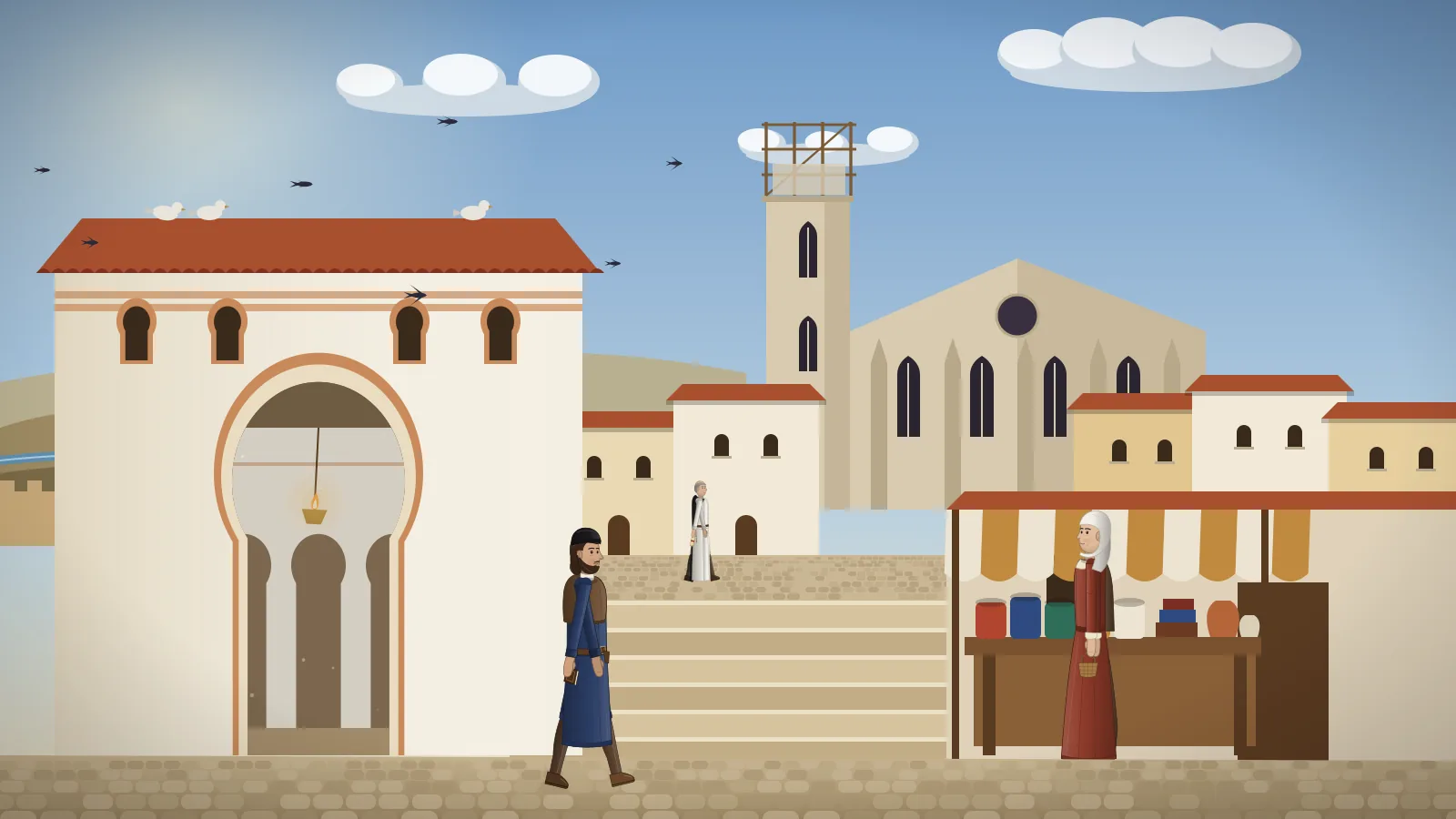
For many centuries, Spain and Portugal were home to some of the largest and most creative Jewish communities in Europe. In Hebrew, they called the land Sepharad. In cities like Toledo, Seville and Lisbon, Jewish physicians, scholars, merchants, craftsmen and poets lived beside Christians and Muslims.
In Seville, for years, an archdeacon named Ferrand Martínez preached against the Jews. Royal orders told him to stop, and he ignored them. In March 1391, riots began. On 6 June, mobs broke into the Jewish quarter of Seville. Thousands were killed. Within three months the violence had spread to more than seventy towns of Castile and Aragon.
To save their lives, many thousands of Jews accepted baptism. More conversions followed in the next decades, under the pressure of preachers, laws and public disputations. Spain now held a large new population: the conversos Jews of Spain and Portugal who converted to Christianity, often under pressure, and their descendants; also called New Christians. Glossary, also called New Christians.
Chapter IIwatch from 1:52
The New Christians
As Christians, the converts could enter careers once closed to them. Converts and their children became notaries, royal officials, merchants, even bishops. Their success brought resentment, and with it a dangerous question. Were the converts truly Christian?
It was the first of many “purity of blood” rules, judging people by their ancestry, not their faith.
In 1449 the city of Toledo gave its own answer, and barred people of Jewish descent from public office. It was the first of many “purity of blood” rules, judging people by their ancestry, not their faith. Baptism, it seemed, was no longer enough. A family could be shut out for who its forebears had been.
Chapter IIIwatch from 2:29
The Inquisition
Ferdinand of Aragon and Isabella of Castile set out to answer the question. In 1478, Pope Sixtus IV authorised them to found an Inquisition of their own. Its business was heresy among Christians. As baptised Christians, the conversos fell under it; Jews who had never been baptised did not.
It began its work in Seville. So many people were arrested that the judges moved into the castle of Triana, across the river. On 6 February 1481, Seville saw the first auto de fe A public ceremony of the Spanish and Portuguese Inquisitions, at which sentences were read and the convicted did penance or were handed to the state. Glossary, a public ceremony of judgement. Six people were condemned to death.
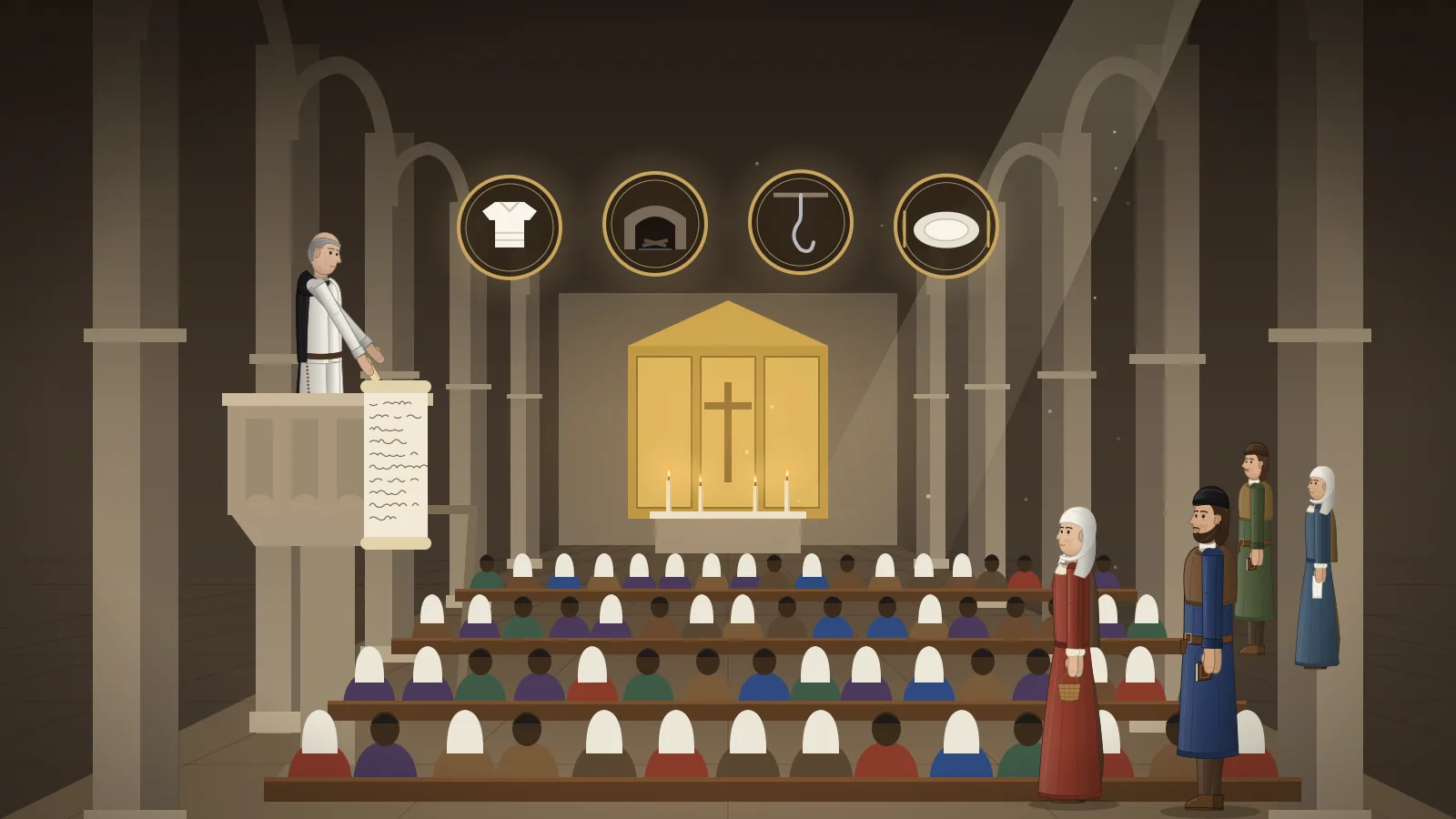
In 1483 the Dominican friar Tomás de Torquemada became Inquisitor General. In town after town, the inquisitors had lists read aloud of the signs of a secret Jew. Clean clothes on Saturday. No fire lit that day. No pork. A fast on the Day of Atonement. Neighbours, servants, even relatives were urged to come forward.
Chapter IVwatch from 3:29
Expulsion and Forced Baptism
On 31 March 1492, in Granada, the monarchs signed a decree. The Jews of Spain must be baptised, or leave within four months. They could not take gold or silver with them. Tens of thousands left, for North Africa, Italy and the Ottoman Empire. Many others accepted baptism, and stayed. Many crossed the border into Portugal. It was only a short reprieve.
In December 1496, King Manuel I ordered the Jews to leave Portugal. By the usual account, it was the price of his marriage to a Spanish princess. But he did not want to lose them. In March 1497, at Passover, Jewish children were taken from their parents to be baptised. That autumn, thousands who came to Lisbon expecting ships were baptised by force instead.
At a stroke, Portugal’s entire Jewish community became, in law, Christian. And most of them were not allowed to leave.
In 1536, at the request of King João III, Portugal received an Inquisition of its own. In time, its Lisbon tribunal sat in a palace on the Rossio square. For almost three centuries, a knock at the door could mean arrest, years in a cell, and a trial held in secret.
Chapter Vwatch from 5:06
Behind Closed Shutters
What we know of the crypto-Jews comes mostly from their accusers: the trial records of the Inquisitions. Historians read them with care, because many confessions were made under pressure. Yet a pattern appears.
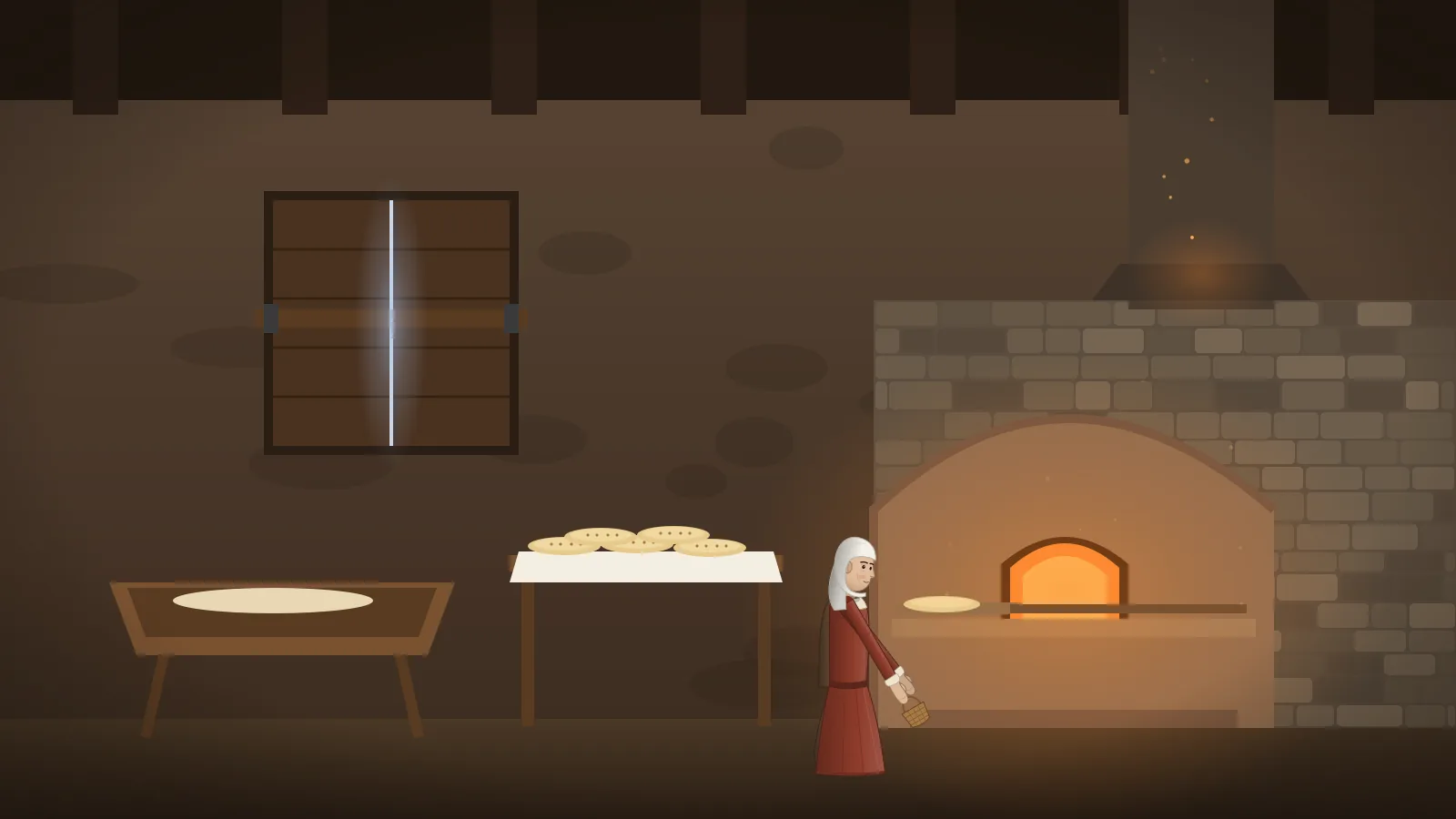
On Friday evenings, women lit lamps, sometimes hidden in clay jars, and set out clean linen. Families avoided pork, drained the blood from meat, and washed their dead in the Jewish way. They fasted on the Great Day, Yom Kippur. And they honoured Queen Esther, who in the Bible hid her Jewish identity at a foreign court, as they hid theirs. At Passover, they baked unleavened bread behind closed shutters.
Prayers in Spanish and Portuguese passed by memory, very often from mother to daughter.
Without rabbis, books or synagogues, knowledge faded. Hebrew was almost entirely lost. Prayers in Spanish and Portuguese passed by memory, very often from mother to daughter. Some believed that salvation came through the Law of Moses. Others mixed Jewish and Catholic ideas, or kept only a few customs whose meaning they no longer knew.
On Sundays, the same families went to Mass and received the sacraments. Some, it was said, whispered words under their breath to undo what they did in church.
Yet not every New Christian was a secret Jew. Many became sincere Catholics. Some historians argue that the Inquisition’s suspicion helped create the very secret faith it hunted.
Chapter VIwatch from 6:34
Amsterdam and the New World
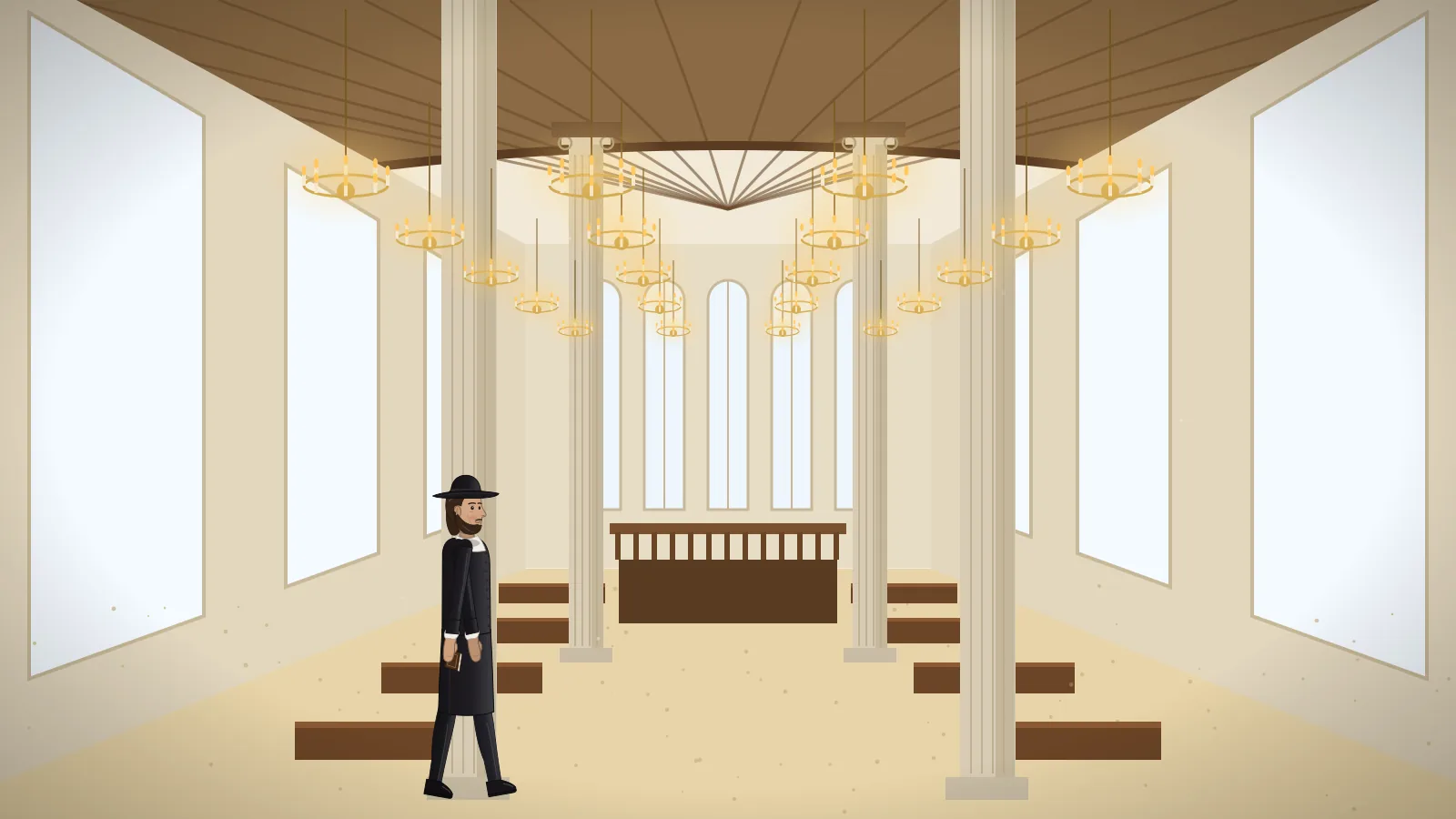
Others escaped. From the late 1500s, converso merchants settled in Amsterdam, Hamburg, Venice, Bordeaux and later London, where, in time, they could live openly as Jews again. In 1675, Amsterdam’s Portuguese Jews opened a great synagogue, its brass chandeliers lit by candles. The philosopher Baruch Spinoza grew up in this community. His family had come from Portugal.
Others sailed west, to the Americas, despite laws that barred New Christians from going. The Inquisition followed them, to Mexico City and Lima.
Luis de Carvajal, called the Younger, was born into a converso family in Spain, and came to New Spain as a boy. His uncle was a governor there. In secret, he called himself Joseph Lumbroso, Joseph the Enlightened. He wrote a memoir of his faith, in a book so small that it may have been hidden in his hat.
He was arrested in 1589, released, and arrested again. In 1596 he was condemned, together with his mother and several of his sisters. On 8 December the sentence was carried out in Mexico City. His little book survived him. Lost in the twentieth century, it was found again, and returned to Mexico’s national archives.
Chapter VIIwatch from 8:08
The Engineer in Belmonte
In 1773, Portugal’s chief minister, the Marquis of Pombal, abolished the legal difference between Old Christians and New. Then the Inquisitions themselves were abolished: Portugal’s in 1821, Spain’s in 1834. In Lisbon, a theatre now stands where its tribunal once sat. By then, most people assumed that the hidden Jews had long vanished.
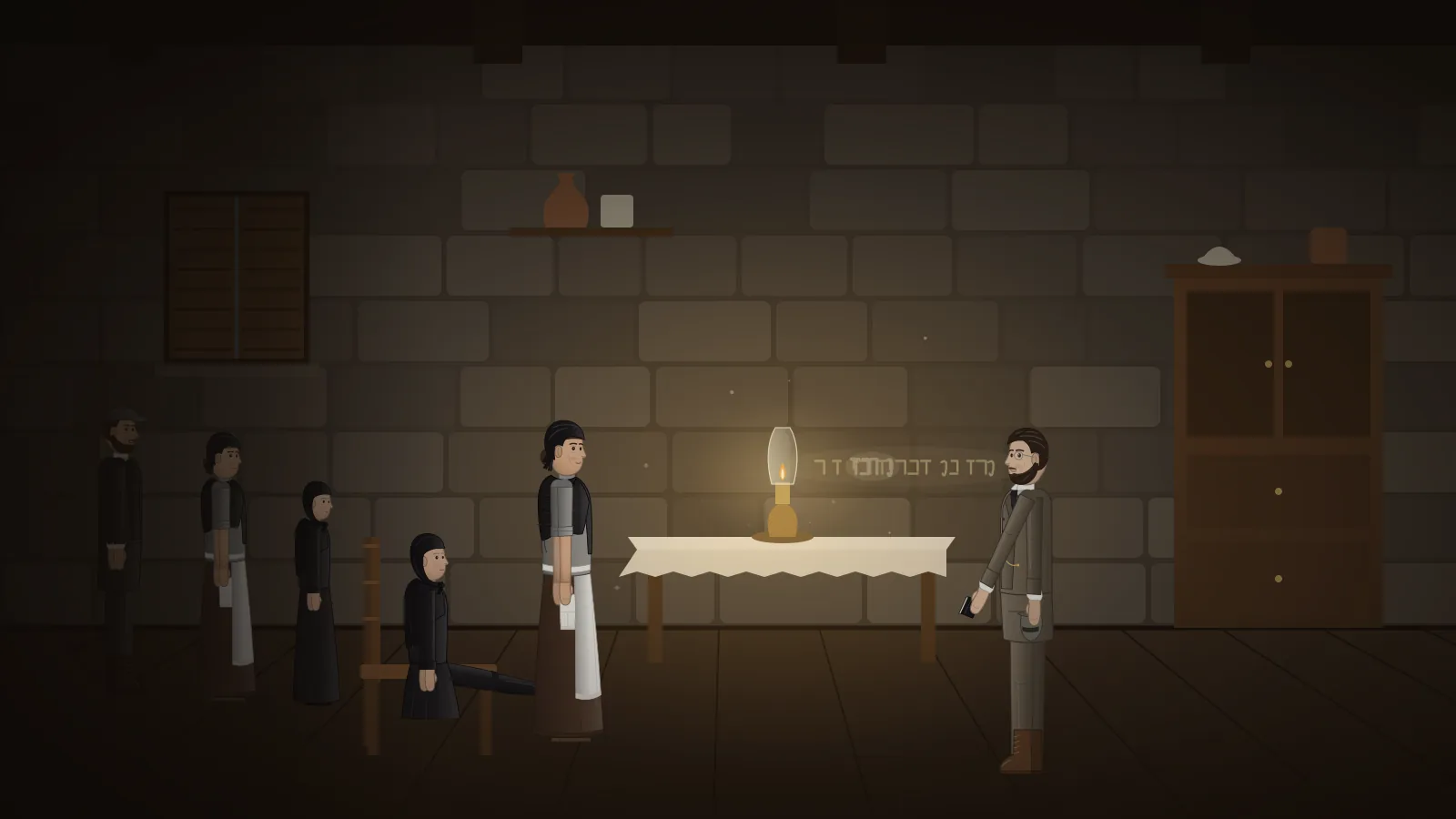
Samuel Schwarz was a Polish-born Jewish mining engineer, working in the mines near Belmonte. By his own account, a merchant warned him not to do business with a rival, because the man was a Jew.
In 1917, Schwarz met the families in secret. They married among themselves, lit Sabbath lamps, and kept a Passover with unleavened bread. They were wary of him, and asked him to prove that he was Jewish. Their own prayers were in Portuguese. Only when he recited a Hebrew prayer, and they heard in it the name of God, Adonai, did they accept him as one of their own.
A faith thought lost for centuries had been kept alive, above all, by its women.
Schwarz published his study in 1925. A faith thought lost for centuries had been kept alive, above all, by its women.
Chapter VIIIwatch from 9:30
Out of Hiding
Artur Carlos de Barros Basto, an army captain of New Christian descent, returned to Judaism, and searched the north of Portugal for others like him. In Porto he built a synagogue, opened in 1938. The year before, the army had dismissed him. Decades later, Portugal’s parliament recognised that he had been treated unjustly, because he was Jewish.
In Belmonte, the families kept their secret ways for decades more. Only in the 1970s and 1980s, after democracy returned to Portugal, did they begin to practise openly. In 1989 they formed an official Jewish community. In 1996 the Bet Eliahu synagogue opened, the first in the town for some five centuries.
Far away in New Mexico, some Hispanic Catholic families remember lighting candles on Friday, and believe their ancestors were secret Jews who fled the Inquisition in Mexico. The historian Stanley Hordes has gathered evidence for such roots. The folklorist Judith Neulander and others argue that some customs have other explanations. The debate remains open.
The records show forced baptisms, Inquisitions that lasted for centuries, and families who kept a faith in fragments. They also show that many converts became sincere Christians. Legend speaks of tens of thousands burned. Archival studies point to far lower numbers, most of them in the first decades. The fear, and the loss, were real all the same.
Today, in Belmonte, a Sabbath lamp no longer needs a clay jar. On a Friday evening, it can stand in the window, for anyone to see.