The story of the film
London and Dublin, then Medmenham Abbey on the Thames and West Wycombe in Buckinghamshire · c. 1719–1781
On summer evenings in the 1750s, a boat came up the River Thames near Marlow. It was rowed, it is said, by oarsmen dressed in white, and it carried some of the best-connected men in England: a future Chancellor of the Exchequer, an earl who ran the navy, poets and members of Parliament. They landed at the ruins of an old abbey. Over its door were four French words: Fay ce que voudras. Do what you will.
What they did inside, almost no one ever wrote down. That silence would become the most famous thing about them.
Chapter Iwatch from 0:40
The Duke’s Club
“Hellfire Club” was never the name of one single society. In eighteenth-century Britain and Ireland, it was given to several circles of wealthy men who made a show of mocking religion and respectable morals.
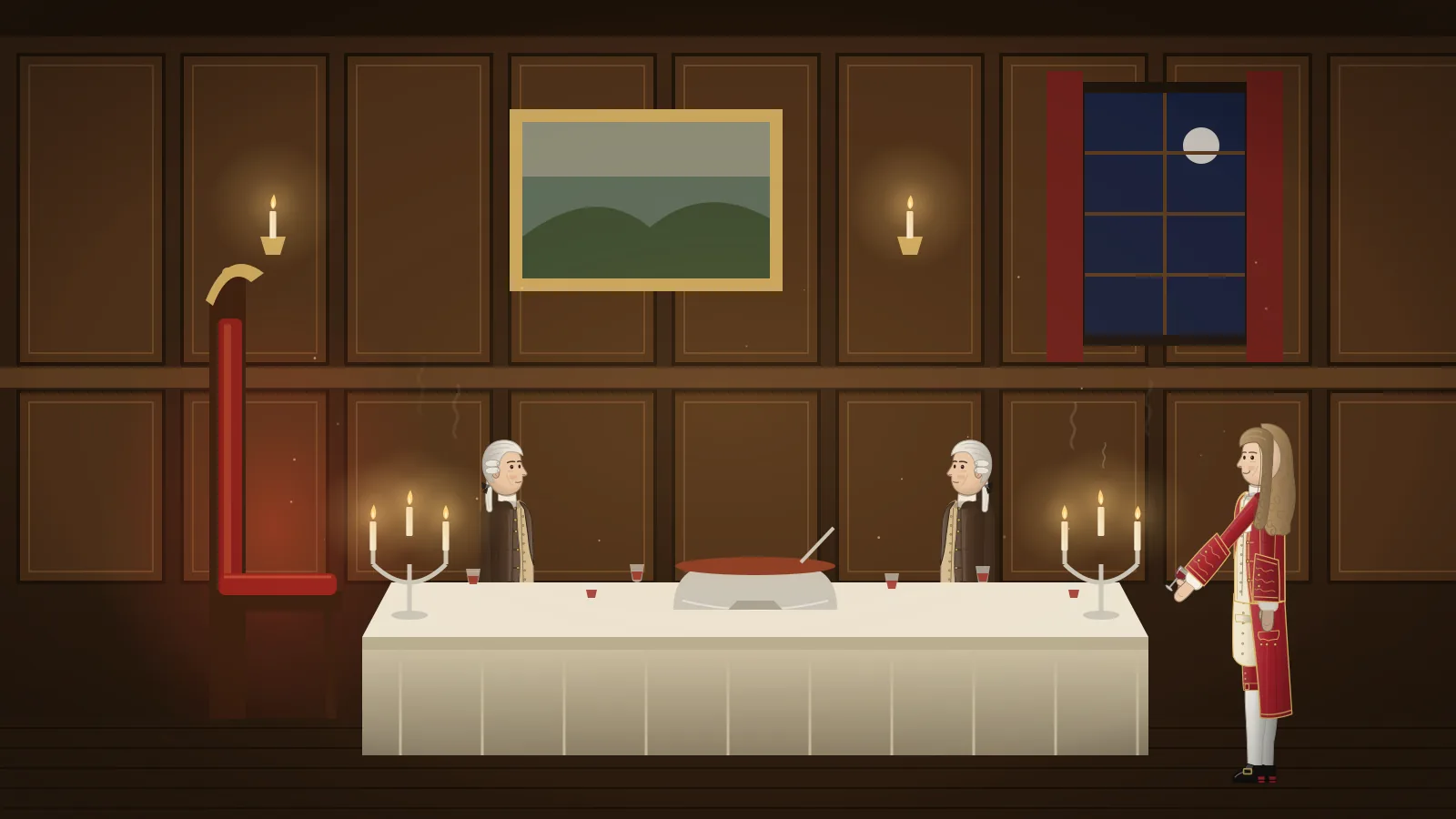
The first appeared in London around 1719. Its founder was Philip Wharton, a brilliant, reckless young nobleman, made Duke of Wharton in 1718, at just nineteen. Rumour said its members met in taverns and private houses, called their president the Devil, and drank blasphemous toasts.
No minutes survive. Almost everything we know about the club comes from its enemies and from satirists.
In April 1721 the government of King George I acted against what it called blasphemous clubs. A royal order was issued, and Wharton’s club broke up. His later life was just as restless. He became Grand Master of the Freemasons, then openly joined the exiled Stuart cause, and died in Spain, at a monastery, in 1731. He was thirty-two.
Imitators followed. In the 1730s a Hellfire Club was formed in Dublin, by Richard Parsons, Earl of Rosse, and others. Its name later clung to a ruined hunting lodge on Montpelier Hill, above the city, and to many ghost stories, though whether the club ever met there regularly is doubtful.
Chapter IIwatch from 2:11
Sir Francis and His Friars
But the most famous circle of all belonged to Sir Francis Dashwood. He was born in London in 1708, heir to a fortune and to an estate at West Wycombe, in Buckinghamshire.
As a young man he travelled through France and Italy. He came home with a love of classical art and, by many accounts, a mocking view of the Catholic Church.
Clubs were his passion. In the early 1730s he was among the founders of the Society of Dilettanti, a dining club for gentlemen who had seen Italy and loved its ancient art.
The joke was in the name: Saint Francis, and Sir Francis.
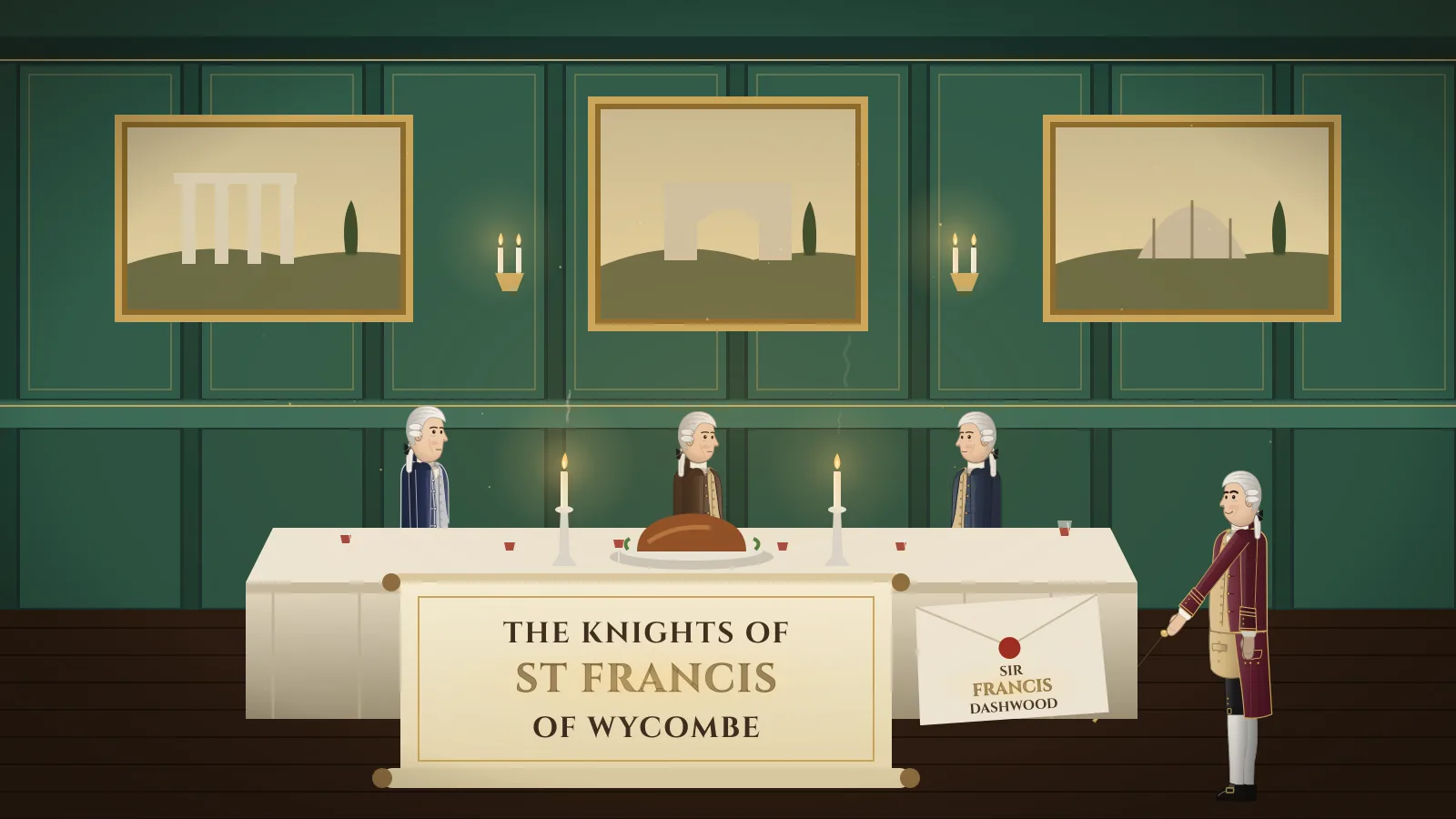
Then, around 1746, he gathered a smaller and stranger fellowship: the Knights, or Friars, of Saint Francis of Wycombe. The joke was in the name: Saint Francis, and Sir Francis. Its members never called it a Hellfire Club. That older name was attached to them by outsiders and satirists.
Chapter IIIwatch from 3:04
The Monks of Medmenham
In 1751 Dashwood leased the remains of Medmenham Abbey, a Cistercian house on the Thames, closed in the reign of Henry VIII. He had it restored in a romantic Gothic style, with a cloister, and a tower built new to look ruined. An Italian painter decorated the rooms. Over the door went the motto Fay ce que voudras, borrowed from the imaginary Abbey of Thélème in Rabelais’s novel Gargantua.
In the gardens, it is said, stood statues of classical gods, among them gods of silence, each with a finger raised to its lips. Silence was the rule.
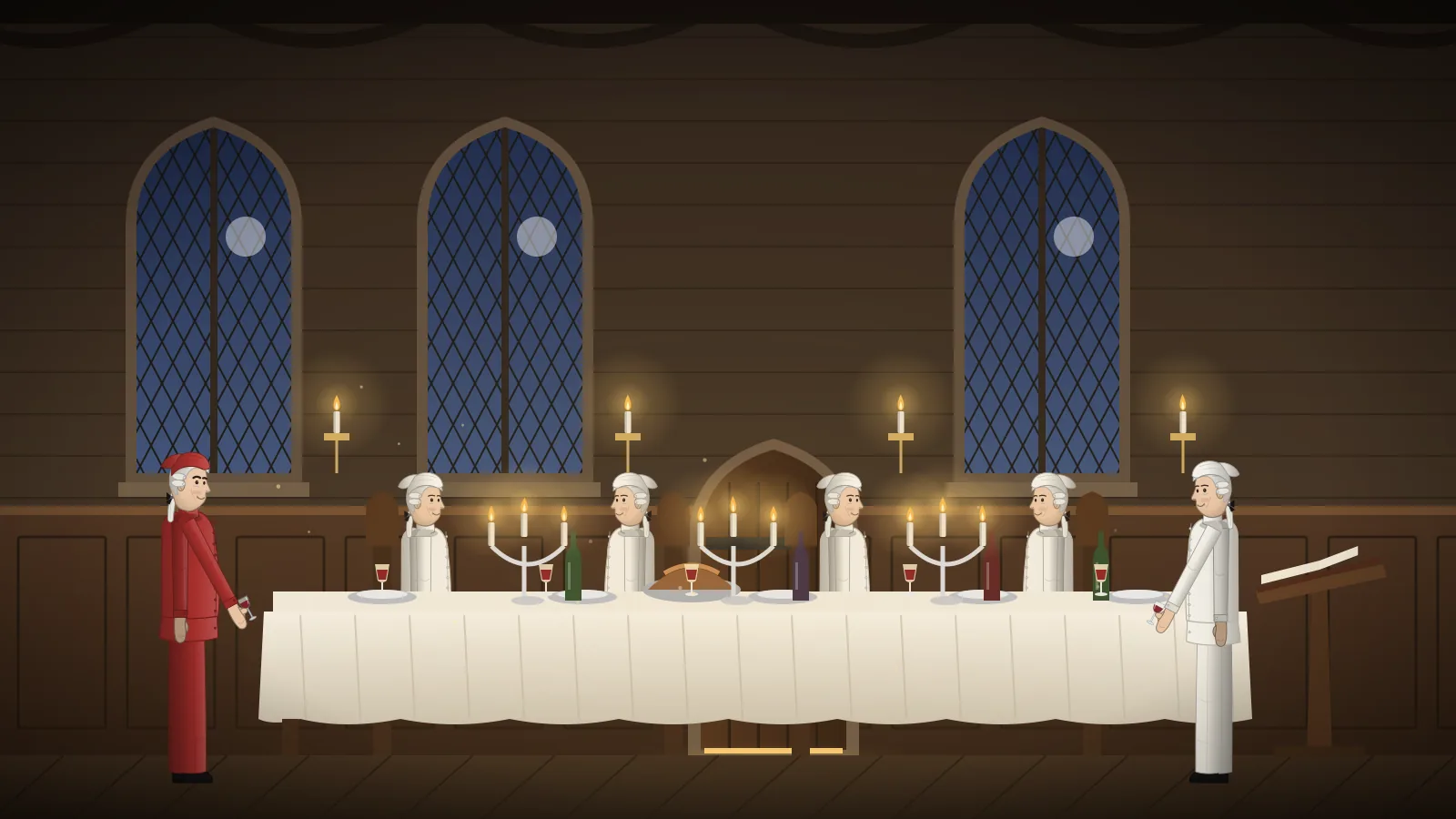
The members called themselves monks. They met about twice a month, with a longer gathering in summer. Accounts say they dressed in white, and that their abbot wore red. Their rites seem to have parodied Catholic worship and monastic life, mixed with images of Venus and Bacchus. But no reliable record of any ceremony survives.
The brothers included John Montagu, Earl of Sandwich, a leading minister; the politicians Thomas Potter and George Bubb Dodington; and the poet Paul Whitehead, who served as steward. Later, for a time, came John Wilkes, a witty and ambitious member of Parliament, who would call their rites the English Eleusinian mysteries.
Dining and drinking were at the heart of it all. Rumour added female guests brought from London. Some such parties are plausible, but the stories come mostly from enemies.
Chapter IVwatch from 4:43
Into the Chalk
Six miles away, at West Wycombe, Dashwood had begun another project. Between 1748 and 1752, labourers dug deep into the chalk hill above the village.
The work came after failed harvests, and it gave local farm workers wages. The chalk they carried out built a new, straight road of about three miles toward High Wycombe.
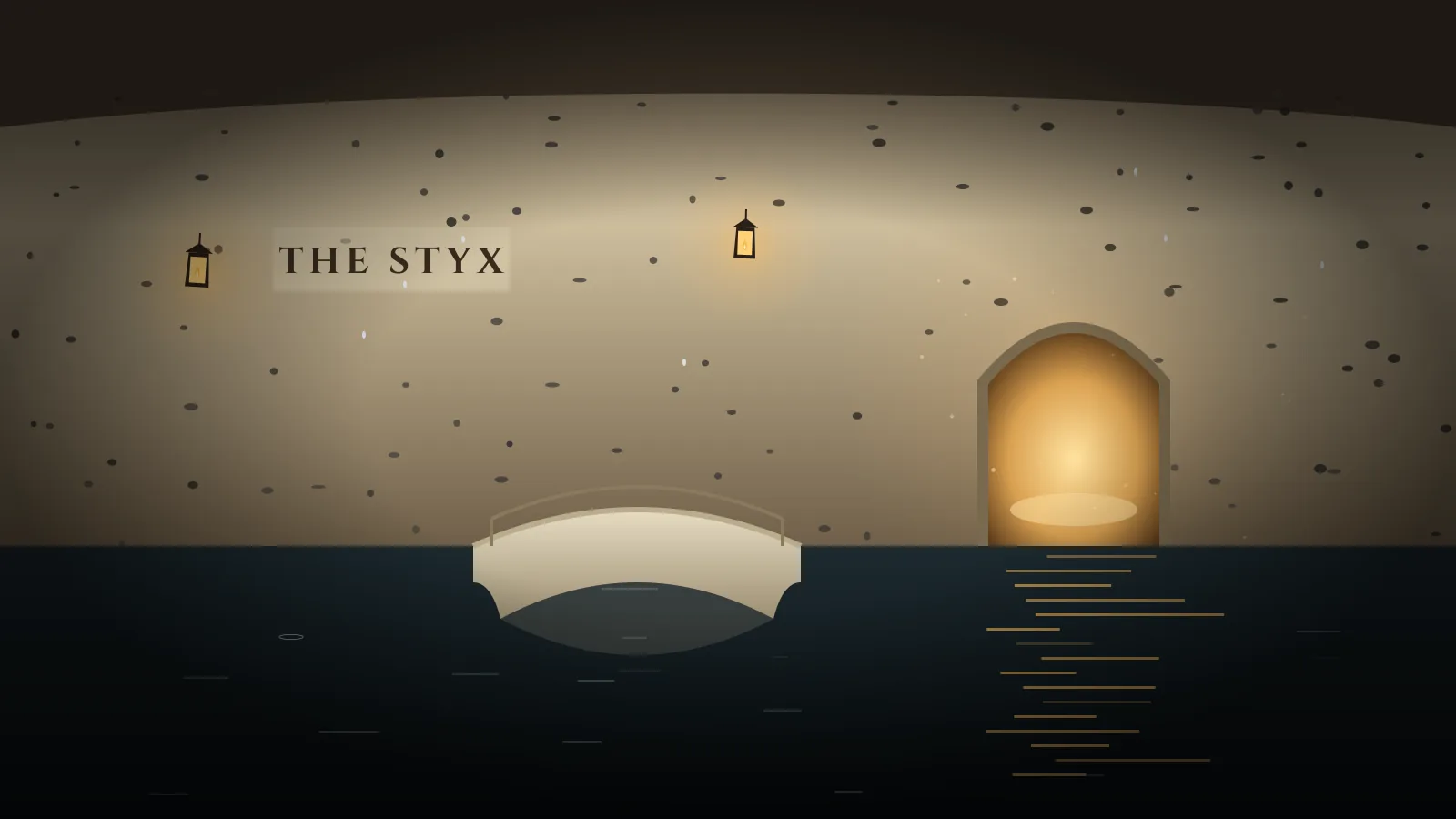
The tunnels run about a quarter of a mile into the hill, past a great chalk hall known as the Banqueting Hall, to an underground stream named the Styx, after the river of the dead in Greek myth. Beyond it lies a small chamber called the Inner Temple.
Local tradition holds that the brotherhood met there too. No document proves it.
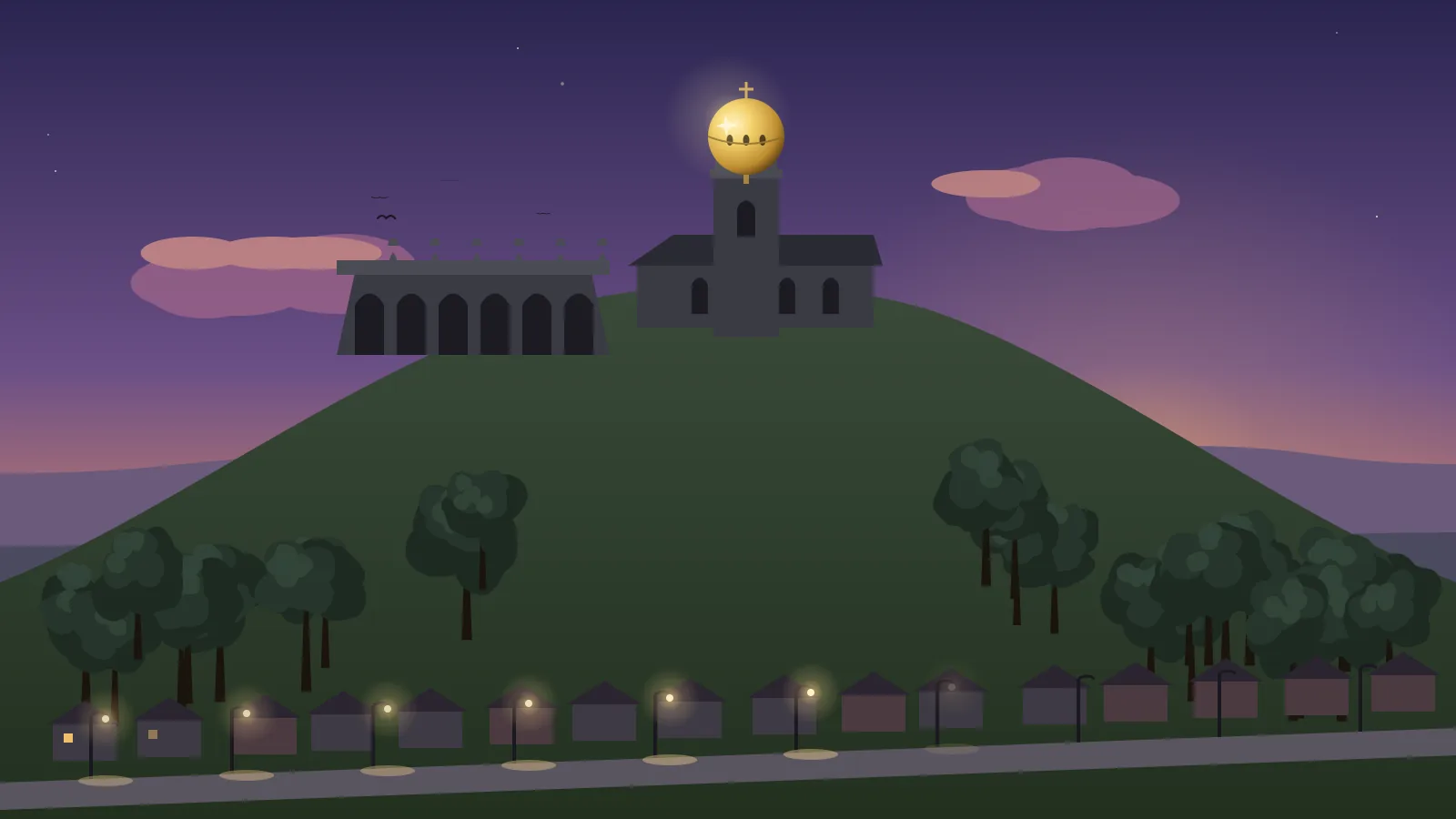
On the hilltop, Dashwood rebuilt the church of Saint Lawrence, and crowned its tower with a great golden ball, with room inside for several guests. Wilkes, who drank up there, is said to have called it the best globe tavern he was ever in.
Chapter Vwatch from 5:53
Brothers at War
In 1762 Dashwood became Chancellor of the Exchequer. His new tax on cider caused uproar in the apple-growing counties, and within a year he resigned.
By then, the brothers were at war. Wilkes ran a newspaper, The North Briton. In April 1763 its issue number 45 attacked the King’s speech, and the government struck back. Wilkes was arrested. Then government agents obtained proofs of a bawdy parody poem he had printed privately, An Essay on Woman. It had probably been written years earlier by Thomas Potter.
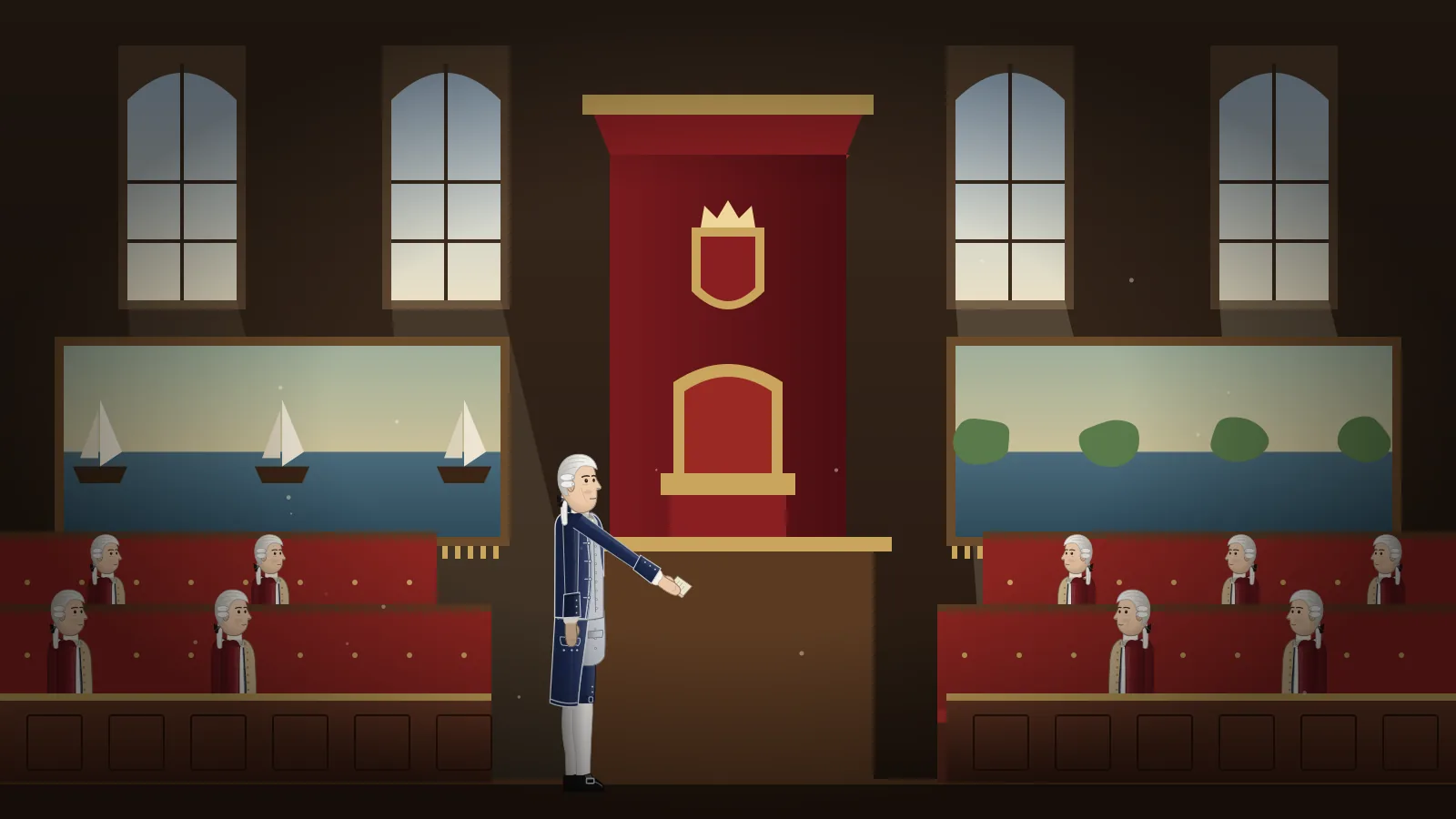
In November 1763 the Earl of Sandwich rose in the House of Lords and read the poem aloud, to condemn it. Sandwich had become one of the ministers pursuing Wilkes. Yet the two men had once belonged to the same circle.
London laughed. At a performance of The Beggar’s Opera, the audience seized on a line about a friend who betrays a friend, and Sandwich was nicknamed Jemmy Twitcher, after the traitor in the play.
Wilkes was wounded in a duel with Samuel Martin, and left for France. In January 1764 the House of Commons expelled him.
Satirists pounced. Charles Johnstone’s novel Chrysal, published in the 1760s, told lurid tales of a mock monastery, thinly disguised. One famous story says that during a rite, Wilkes released a monkey dressed as the Devil, and Sandwich fled in terror. It appears in satire of the time, and cannot be verified.
Chapter VIwatch from 7:38
Ashes and a Heart
The quarrels had done their work. Members died, quarrelled or drifted away. By about 1766 the meetings at Medmenham had ended, and one visitor found the chapter room stripped bare.
Paul Whitehead, the steward, had kept the order’s papers. During his last illness, he is said to have burned them all. He died in December 1774, in his lodgings in Henrietta Street, Covent Garden, in London.
His will left his heart to Dashwood. It was placed in an urn in the great six-sided mausoleum on the hill at West Wycombe, after a procession with soldiers, singers and music. Visitors were shown it for decades, until, in 1829, the heart was stolen.
In his later years Dashwood served as joint Postmaster General. In the 1770s his friend Benjamin Franklin stayed with him at West Wycombe. Together they produced a shortened Book of Common Prayer, published in 1773. Franklin is often named as a monk of Medmenham, but no evidence shows that he was.
Dashwood died at West Wycombe in December 1781, and was laid to rest in his mausoleum.
Chapter VIIwatch from 8:51
The Legend Grows
With almost no records, the clubs became a screen for other people’s fears. Victorian moralists saw in them proof of aristocratic vice. Twentieth-century writers added black magic and devil worship. Novels, films and comic books borrowed the name. The ghosts of Montpelier Hill joined the monks of Medmenham in the same dark story. Today, “Hellfire Club” suggests something far darker than anything the evidence shows.
Since 1951 the caves at West Wycombe have been open to visitors. More than two million people have walked down to the Styx, by lamplight.
Historians such as Evelyn Lord and Geoffrey Ashe find no evidence of real Satanism. The rites mocked Christianity and borrowed pagan images, as a kind of irreverent play.
Their crimes have been much exaggerated.
What the records show is smaller: privileged men in an age of clubs and satire, dining, drinking and daring one another. Their irreverence was real, but their crimes have been much exaggerated.
At dusk, the golden ball still catches the last light above West Wycombe. Down by the Thames, Medmenham Abbey is a quiet private house. The monks kept their secrets well. Perhaps, in the end, there was less to hide than the legend needs.